Cyclist’s Tragic Death Exposes Alarming Failure in Canberra’s Bike Path Safety System
- A 72-year-old cyclist died after being struck by a dangerous tree branch on a Canberra bike path, despite safety concerns being raised weeks earlier.
- The coroner’s report reveals a critical failure in the ACT government’s risk assessment process, leading to a delay in addressing the hazard.
- The incident highlights a broader issue of infrastructure safety in the nation’s capital, sparking calls for urgent reform.
A shocking coronial report has exposed a catastrophic failure in Canberra’s bike path safety system, resulting in the tragic death of a 72-year-old cyclist.
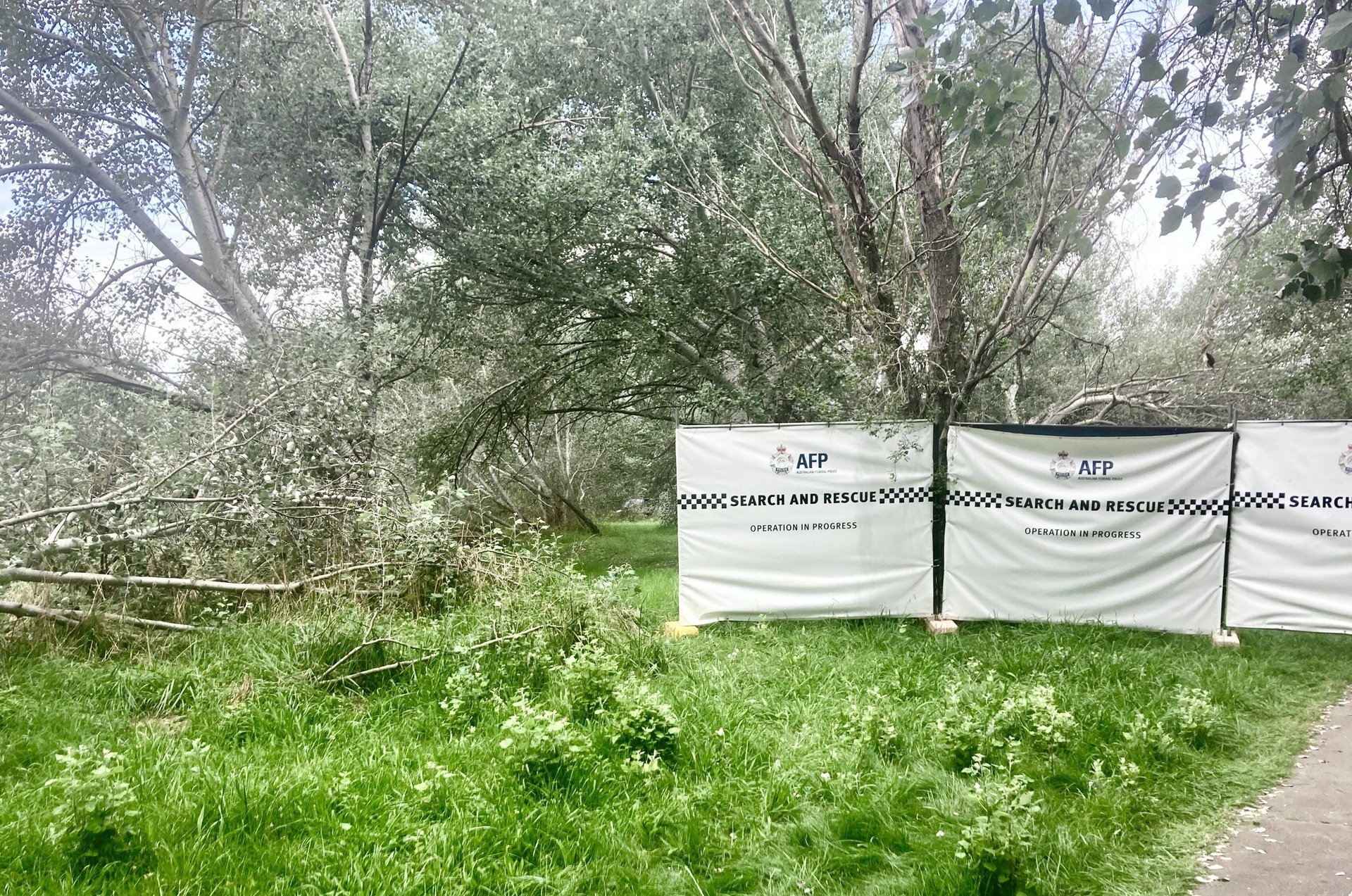
Paul Edward Storey died after being struck by a dangerous tree branch on the Black Mountain Peninsula bike path in Acton on January 24, 2022. The incident has raised serious concerns about the ACT government’s ability to identify and address high-risk infrastructure hazards.
The coroner’s report reveals that safety concerns about the tree branch were raised weeks before the incident through the ACT government’s online Fix My Street portal.
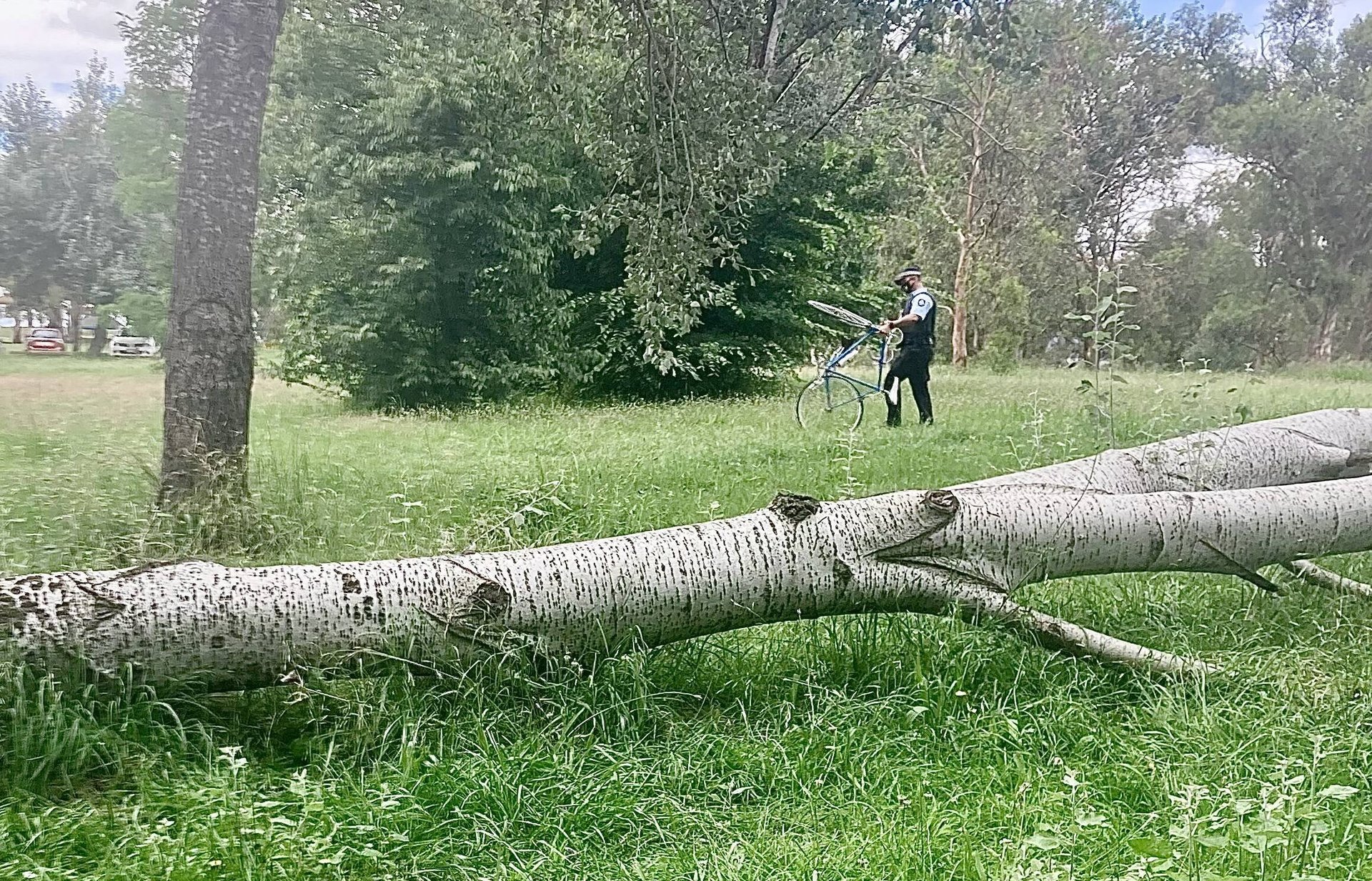
However, the report was incorrectly processed within government systems, resulting in a delay of an urgent risk assessment. This critical failure ultimately led to the tragic death of Mr.
Storey.


The coroner, Ken Archer, has recommended that the ACT government publish clearer guidance on how high-risk infrastructure hazards are identified, assessed, and actioned. The report highlights a broader issue of infrastructure safety in the nation’s capital, sparking calls for urgent reform.
The incident has also raised questions about the effectiveness of the ACT government’s risk assessment processes and its ability to respond to public concerns.
Analysis: What This Means for Australia
This incident has significant implications for national security and public safety. The failure of the ACT government to address the hazard in a timely manner has resulted in a tragic loss of life.
This incident highlights the need for a comprehensive review of infrastructure safety across the country, ensuring that governments are held accountable for protecting the public. The incident also raises concerns about the ability of governments to respond to public concerns and address hazards in a timely and effective manner.
Security analysts say that the incident is a stark reminder of the importance of robust risk assessment processes and effective communication between government agencies.
“This incident highlights the need for a whole-of-government approach to infrastructure safety, ensuring that hazards are identified and addressed in a timely and effective manner,” said one security expert.
The incident has also sparked calls for greater transparency and accountability in government decision-making.
“The public has a right to know how their governments are addressing safety concerns and what measures are being taken to prevent such tragedies from occurring in the future,” said a local resident.
In the aftermath of this tragedy, the ACT government must take immediate action to address the systemic failures that led to Mr. Storey’s death.
This includes implementing more effective risk assessment processes, improving communication between government agencies, and ensuring that public concerns are taken seriously and addressed in a timely manner.
By taking these steps, the ACT government can restore public trust and confidence in its ability to protect the community.
The nation’s capital must be a safe and secure place for all residents and visitors, and it is the government’s responsibility to ensure that this is the case.
The incident serves as a stark reminder of the importance of prioritizing public safety and the need for governments to take a proactive approach to addressing hazards and risks.
As the coroner’s report highlights, even one death is one too many, and it is the responsibility of governments to ensure that such tragedies are prevented in the future.