Iran’s Strait of Hormuz Power Play: Australia Braces for Fuel Crisis as Trump’s Ceasefire Claims Rejected
- Australia on high alert as Iran closes Strait of Hormuz, threatening 25% of global oil trade
- Trump’s ceasefire claims rejected, as Iran vows to reopen strait only for “compliant” nations like Pakistan and China
- Australian fuel prices set to skyrocket, with experts predicting restrictions and rationing after Easter
The war of words between the United States and Iran has reached a boiling point, and Australia is bracing for the impact.
Despite US President Donald Trump’s claims of a ceasefire, Iran has rejected the offer and instead vowed to reopen the Strait of Hormuz only for nations that comply with its “new laws”.
The move has sent shockwaves through the global energy market, with Australia directly in the firing line.
The Strait of Hormuz, a critical waterway that accounts for around 25% of the world’s seaborne oil trade, has been all but closed by Iran. The country has already allowed 20 Pakistani-flagged vessels to transit the strait, but Western nations are being kept out.
The move has sparked fears of a fuel crisis, with Australia particularly vulnerable due to its reliance on imports.



Australia directly imports only a small amount of crude oil from the Middle East, but up to 70% of its refined fuel, including petrol and diesel, is sourced from Asian refineries that rely on the Strait of Hormuz.
With the waterway closed, energy analysts expect Australia will be forced to introduce fuel restrictions after Easter, including encouraging public servants to work from home, using public transport, or even pumping up their tyres to improve fuel economy.
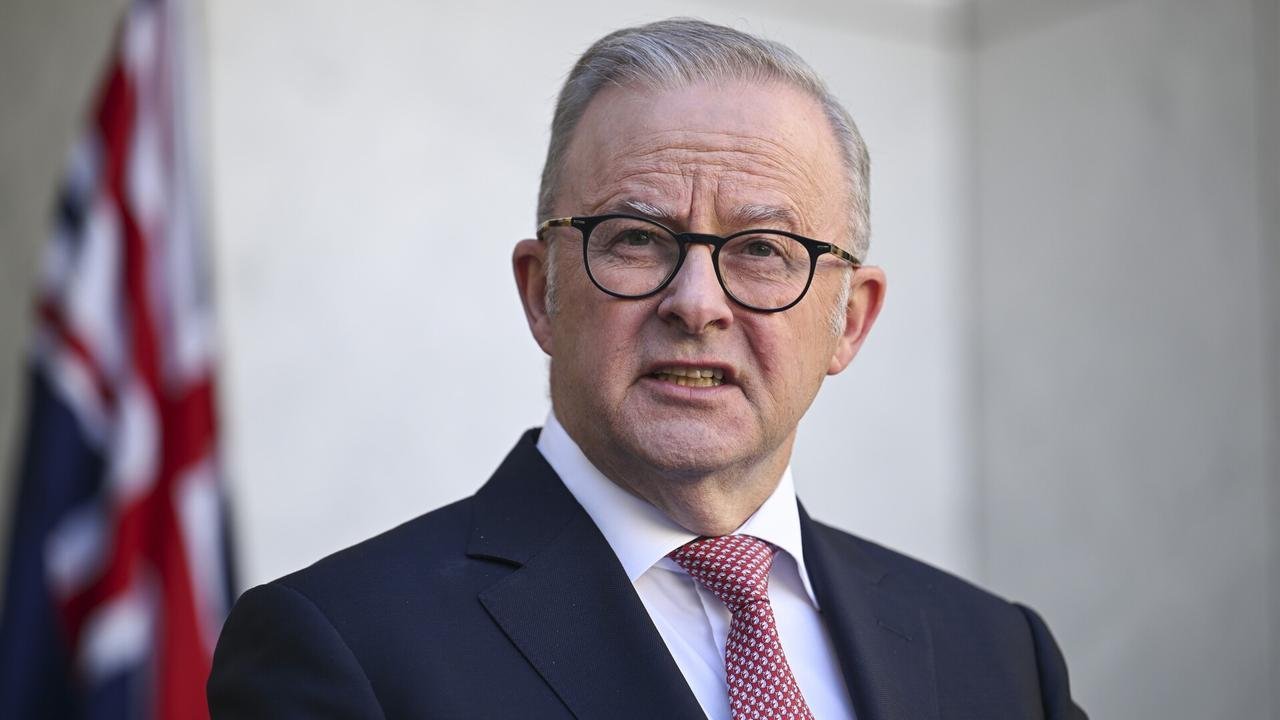
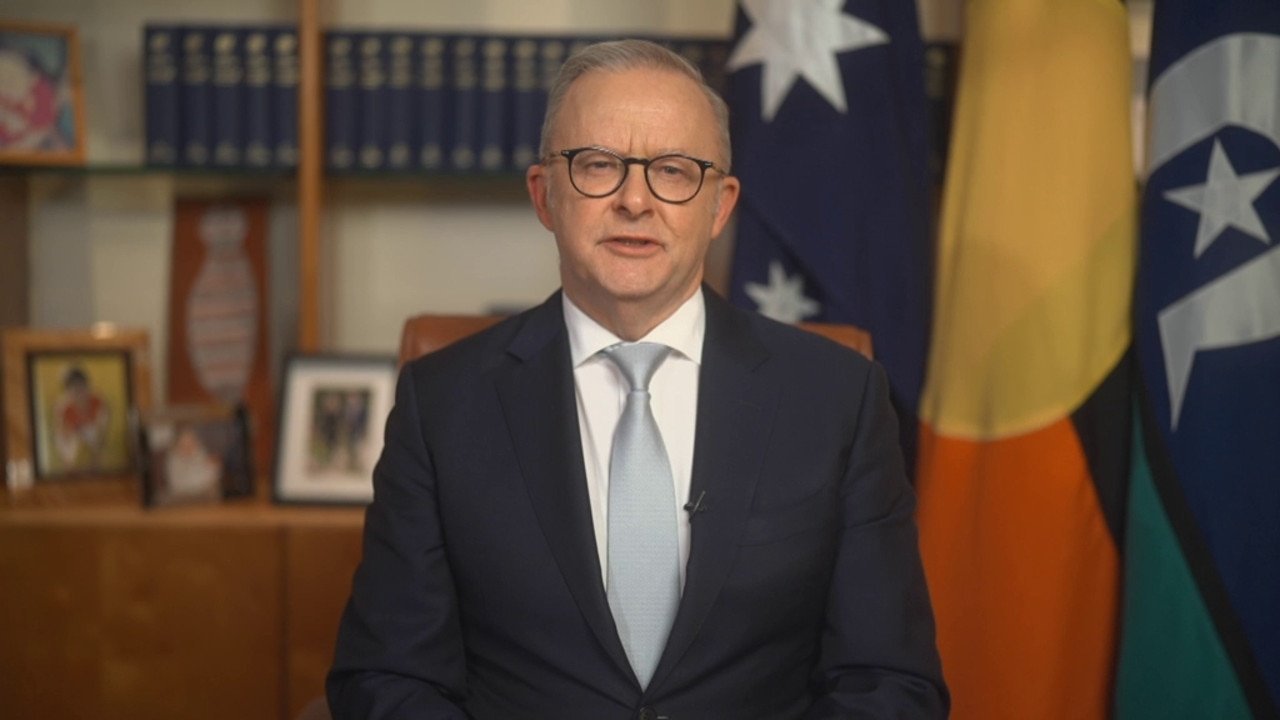
The situation has prompted a national address from Prime Minister Anthony Albanese, who urged Australians to enjoy Easter but warned of “terrible times ahead”. The United Arab Emirates has also announced its participation in a multinational maritime taskforce to reopen the waterway, highlighting the gravity of the situation.
Analysis: What This Means for Australia
The closure of the Strait of Hormuz has significant implications for Australia’s national security, economy, and public safety. With fuel prices set to skyrocket, the country is bracing for a crisis that will hit households and businesses hard.
The government’s response will be critical, with experts warning that fuel rationing and restrictions are just the beginning.
“The months ahead will not be easy,” Mr Albanese warned in his national address. But the question remains: what will Australia do to mitigate the impact of the Strait of Hormuz crisis?
Will the country participate in the multinational taskforce to reopen the waterway, or will it focus on finding alternative sources of fuel? One thing is certain: the next few weeks will be crucial in determining the course of Australia’s response to this global crisis.
Security analysts say the situation highlights the need for Australia to diversify its energy sources and reduce its reliance on imported fuel.
“This crisis should serve as a wake-up call for Australia to invest in renewable energy and reduce its dependence on foreign oil,” said one expert.
As the situation continues to unfold, one thing is clear: Australia is on high alert, and the country’s response will have far-reaching consequences for its economy, national security, and public safety.