Australia Joins 35-Nation Summit to Secure Strait of Hormuz Amid Fears of Global Oil Crisis
- Australia to participate in virtual meeting to discuss military measures to secure safe passage of vessels in Strait of Hormuz
- Iran’s closure of the vital passage threatens 25% of global seaborne oil trade, putting Australia’s petrol supply at risk
- Defence Minister Richard Marles confirms Australia’s involvement, with possible contribution of assets to the plan
Australia has joined a critical 35-nation summit to address the escalating crisis in the Strait of Hormuz, a vital passage that accounts for around 25% of the world’s seaborne oil trade.
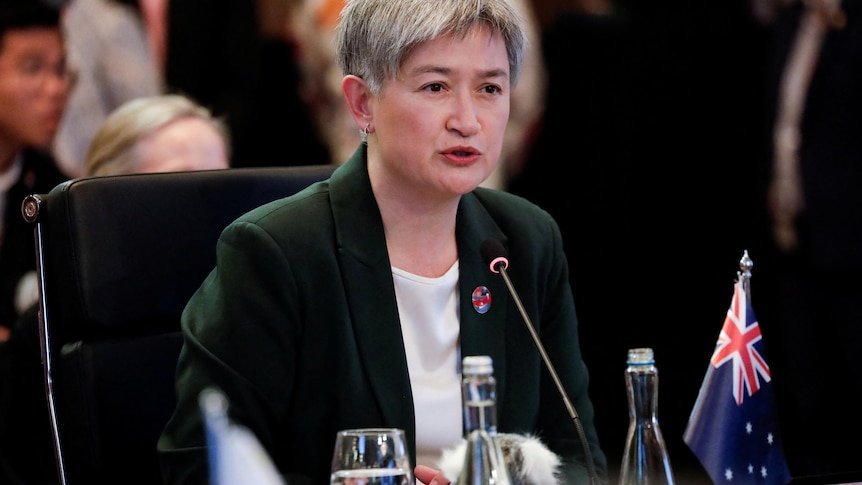
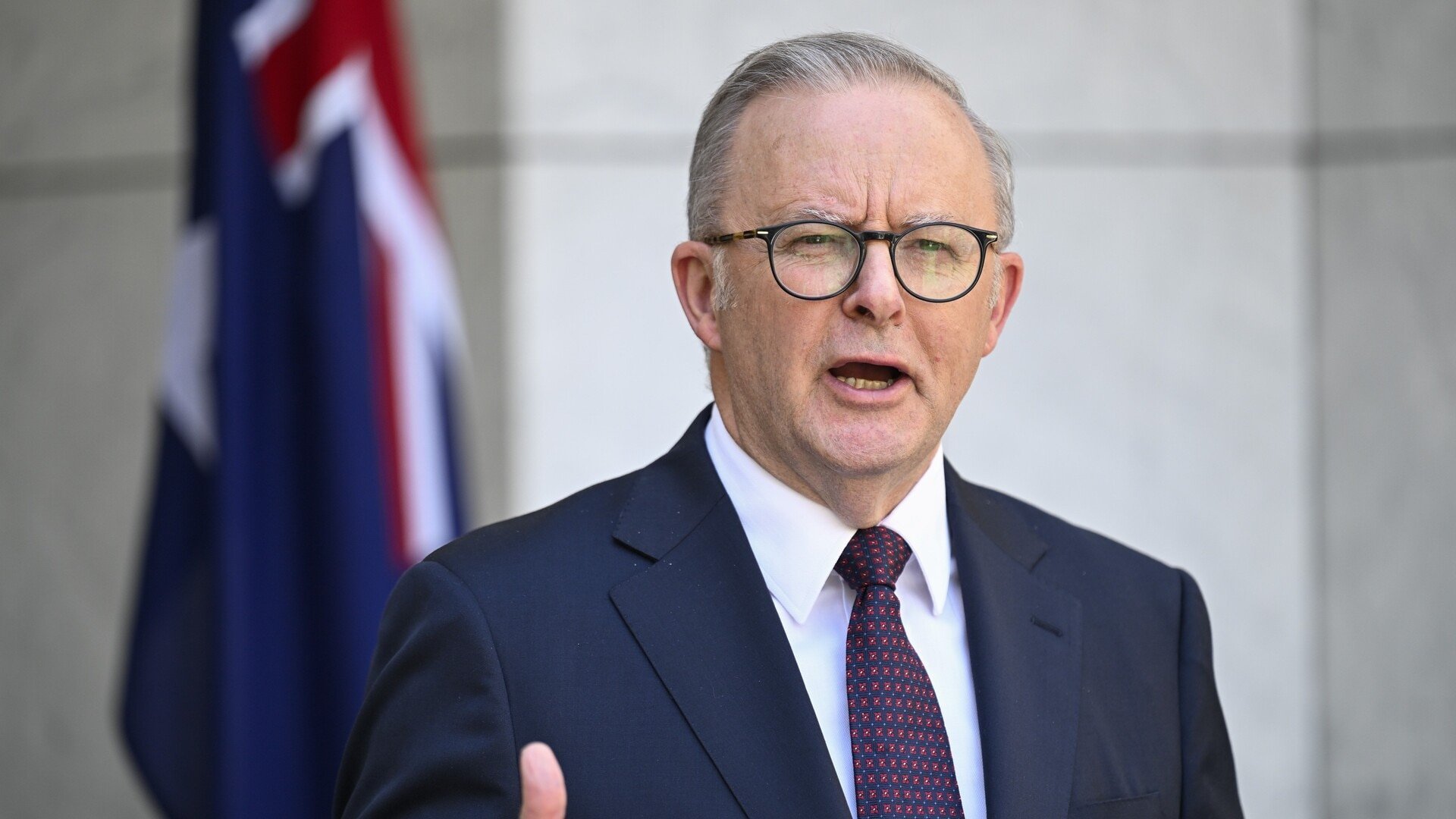
Defence Minister Richard Marles confirmed Australia’s participation in the virtual meeting, which aims to discuss military measures to ensure the safe passage of vessels through the strait.
The move comes as Iran has all but closed the strait, sparking fears of a global oil crisis that could have devastating consequences for Australia’s economy.
As a major importer of petrol from Asian countries, Australia is heavily reliant on the free flow of oil through the Strait of Hormuz.
Marles stressed that Australia’s involvement in the summit is crucial, given the country’s interest in seeing the strait reopen as soon as possible.

“We will look to what Australia can do,” he said, adding that the country’s E-7 Wedgetail aircraft is already in the region, providing critical support to the defence of Gulf countries, particularly the UAE.
Australia has a fleet of six Wedgetails, which have previously been deployed to Poland to help Ukraine counter drone and ballistic missile strikes from Russia.
Marles did not rule out the possibility of contributing further assets to the mission, saying that Australia would work constructively with its friends and partners to find a solution.
The UK, which is co-ordinating the diplomatic talks, has brought together 35 nations around a statement of intent to push for maritime security across the Gulf.
British Prime Minister Keir Starmer has insisted that Britain does not want to be “dragged” into the military conflict, but is committed to supporting the cost of living in Britain by pushing for de-escalation in the Middle East and a re-opening of the Strait of Hormuz.
The diplomatic talks follow threats from Iran, which has boasted that the Strait of Hormuz will reopen, but only for those who comply with the country’s new laws.
The US President has claimed that a ceasefire option is on the table, but Iran has denied this.
Analysis: What This Means for Australia
The closure of the Strait of Hormuz has significant implications for Australia’s national security and economy. As a major importer of petrol, Australia is vulnerable to any disruption in the global oil supply.
The country’s involvement in the 35-nation summit is a critical step towards ensuring the safe passage of vessels through the strait and mitigating the risk of an oil crisis.
Security analysts say that Australia’s contribution to the mission is crucial, given the country’s strategic interests in the region.
“Australia’s involvement in the summit sends a strong signal to Iran that the international community will not tolerate any disruption to the global oil supply,” said one analyst.
The economic consequences of a prolonged closure of the Strait of Hormuz would be devastating for Australia, with petrol prices likely to skyrocket and inflation soaring.
Industry observers believe that the country’s involvement in the summit is a critical step towards ensuring the long-term stability of the global economy.