Fuel Rationing Looms as Australia Teeters on Brink of Energy Crisis
- Australians may be forced to ration fuel as a “last resort” due to ongoing supply chain disruptions and global conflict.
- Prime Minister Anthony Albanese has urged people to avoid driving where possible, hinting at potential fuel rationing measures.
- Experts warn that fuel prices will never return to pre-conflict levels, and Australians must adapt to a new energy landscape.
- The federal government has secured fuel shipments until May, but reserves are dwindling, and drastic measures may be necessary to protect critical services.
The threat of fuel rationing is looming large over Australia as the country teeters on the brink of an energy crisis.
With global conflict disrupting supply chains and fuel prices soaring past $3 a litre, experts warn that Australians may be forced to ration fuel as a “last resort”.
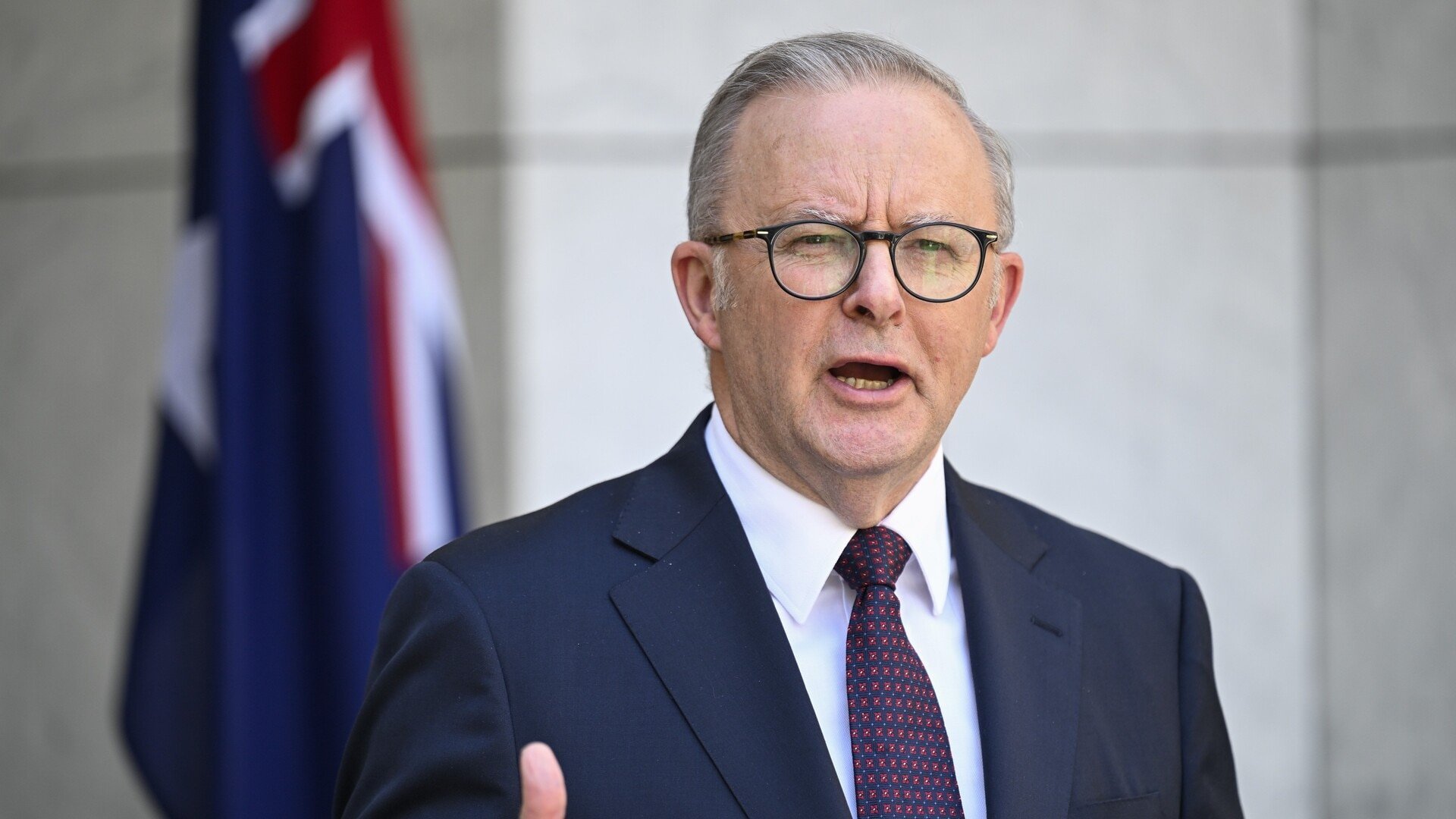
Prime Minister Anthony Albanese has already taken to the airwaves to urge people to switch to public transport where possible, in a bid to conserve fuel for those who have no choice but to drive.
The move is seen as a subtle hint at potential fuel rationing measures, should the situation deteriorate further.
According to Alison Reeve, director of the Grattan Institute Energy and Climate Change Program, the federal government will likely consider rationing fuel supply if all other contingencies fail.



“The first one is to make sure that we are keeping the Asian refineries supplying fuel to Australia, because that’s where most of our refined fuel comes from,” she said.
Reeve explained that if those supplies don’t end up being adequate, the government may need to import fuel from further afield, such as the US. As a last resort, informal demand management measures, including rationing, could be implemented to protect critical services.
Australia is currently in phase two of its four-point national fuel plan: keep Australia moving. Fuel rationing could be implemented at phase four if ongoing supply chain disruptions require government intervention to protect critical services.
Analysis: What This Means for Australia
The prospect of fuel rationing has significant implications for national security, law enforcement, and community safety.
With fuel shortages already causing panic-buying and disruptions to critical services, the government must take drastic measures to ensure the continued functioning of essential services.
Security analysts warn that fuel rationing could lead to increased tensions and potential unrest, particularly in rural areas where access to fuel is already limited. Law enforcement agencies may need to deploy additional resources to maintain order and prevent fuel-related crimes.
Industry observers believe that the government’s handling of the fuel crisis will have long-term consequences for the economy, with potential flow-on effects for inflation, employment, and economic growth.
Experts warn that fuel prices will never return to pre-conflict levels, and Australians must adapt to a new energy landscape. “We will probably all adjust in the meantime,” said Reeve.
“One of the things that happens, and this is similar to what we saw with COVID, it’s similar to what we saw in the 1970s and 80s with oil shocks, people actually permanently change their behaviour.”
As the situation continues to unfold, one thing is clear: Australians must prepare for a future where fuel is no longer taken for granted. With the government’s contingency plans in place, it remains to be seen whether fuel rationing will become a harsh reality for Australians.