
Bondi Terror Attack: Judge Rejects Bid to Protect Gunman’s Family from Vigilante Threats as Court Hears of Death Threats and Vandalism
- A Sydney court has refused to grant a suppression order to protect the identities of Naveed Akram’s family members, citing that the information is already in the public domain.
- The family claimed they had received death threats, stalking, and intimidation, and lived in “constant fear” for their safety.
- The judge dismissed the application, stating that the proposed order would be ineffective and unenforceable, particularly on social media platforms and news outlets based overseas.
In a dramatic turn of events, a Sydney court has rejected a bid to protect the identities of Naveed Akram’s family members, citing that the information is already in the public domain.
Akram, the 24-year-old accused of carrying out the devastating Bondi terror attack, remains before the court, charged with 15 counts of murder and other offences.
The court heard that Akram’s family had requested the suppression order due to alleged threats and acts of vandalism in the wake of the attack. Lawyers for the family claimed that they had received death threats, stalking, and intimidation, and lived in “constant fear” for their safety.
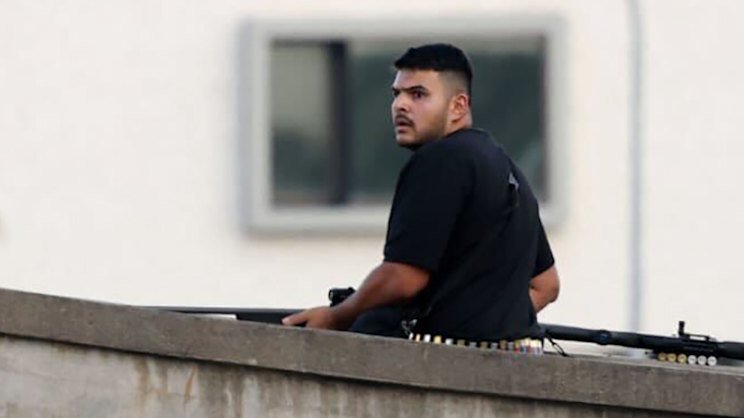
However, the court was unconvinced, citing that Akram’s licence and address details were already in the public domain.
The court heard that Akram’s mother had previously participated in an interview with the Sydney Morning Herald, and her name had been in the public domain since shortly after the incident.




The judge ruled that an order over her identity would lack utility, as it was hard to see how a fair and accurate report of the proceedings would involve her.
The judge also considered that the proposed order would only have applied in Australia and not to social media platforms and news media outlets based overseas.
He stated that the case was “exceptional by virtue of the sheer magnitude and intensity of the commentary” on those overseas platforms.
Analysis: What This Means for Australia
The court’s decision raises serious questions about the role of social media in perpetuating vigilantism and the impact on national security. The fact that Akram’s licence and address details were posted online shortly after the shooting highlights the ease with which sensitive information can be disseminated.
This poses a significant challenge for law enforcement agencies, who must navigate the complexities of social media to prevent further harm.
Security analysts say that the case highlights the need for a more nuanced approach to managing sensitive information in the digital age. “The court’s decision is a wake-up call for authorities to re-examine their strategies for protecting vulnerable individuals and preventing vigilantism,” said one expert.
The impact of the court’s decision will be felt far beyond the Akram family.
It raises critical questions about the role of the media in reporting on sensitive cases and the responsibility of social media platforms to prevent the spread of harmful information.
As Australia grapples with the aftermath of the Bondi terror attack, one thing is clear: the stakes are higher than ever.