Petrol Prices Plunge: Motorists to Save Up to $25.60 Per Tank as States and Territories Unite to Deliver 5.7 Cent GST-Funded Discount
- Millions of Australians to benefit from a nationwide petrol price reduction, funded by GST revenue
- Combined with the federal government’s halved fuel excise, motorists can save up to 32 cents per litre
- Prices have already begun to fall, with daily average retail petrol prices 16.7 cents per litre lower on April 1
- Prime Minister Anthony Albanese promises more relief to flow through to the bowser in the next one to two weeks
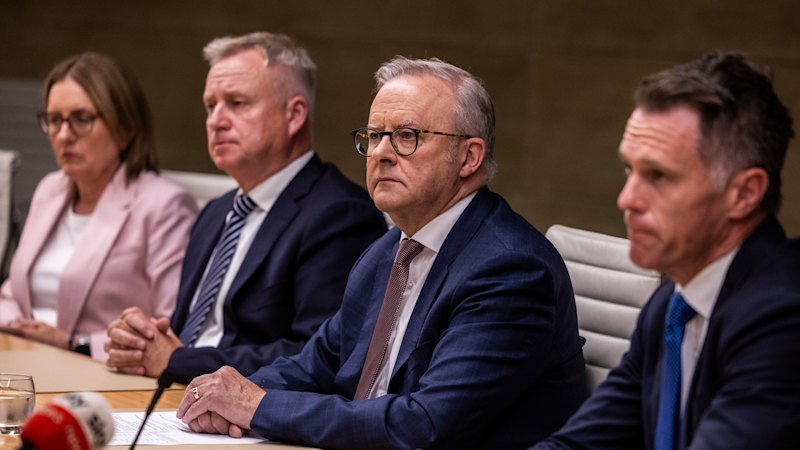
Motorists across Australia are set to reap the rewards of a nationwide petrol price reduction, with states and territories uniting to deliver a 5.7 cent GST-funded discount.
The move, which comes into effect immediately, is expected to bring much-needed relief to millions of Australians struggling with the cost of living.
The additional discount, which is set to run until June 30, is funded by revenue raised by the goods and services tax (GST) generated by higher petrol prices.
According to National Cabinet, this revenue is estimated to be around $400 million. When combined with the federal government’s halved fuel excise, motorists can expect to save up to 32 cents per litre.
The news comes as a welcome respite for motorists, who have been feeling the pinch of record-high fuel prices.



According to the Australian Institute of Petroleum, petrol prices peaked at a national average of $2.59 per litre over the past week, while diesel averaged $3.21 per litre.
However, prices have already begun to fall, with daily average retail petrol prices 16.7 cents per litre lower on April 1 compared with the previous day.
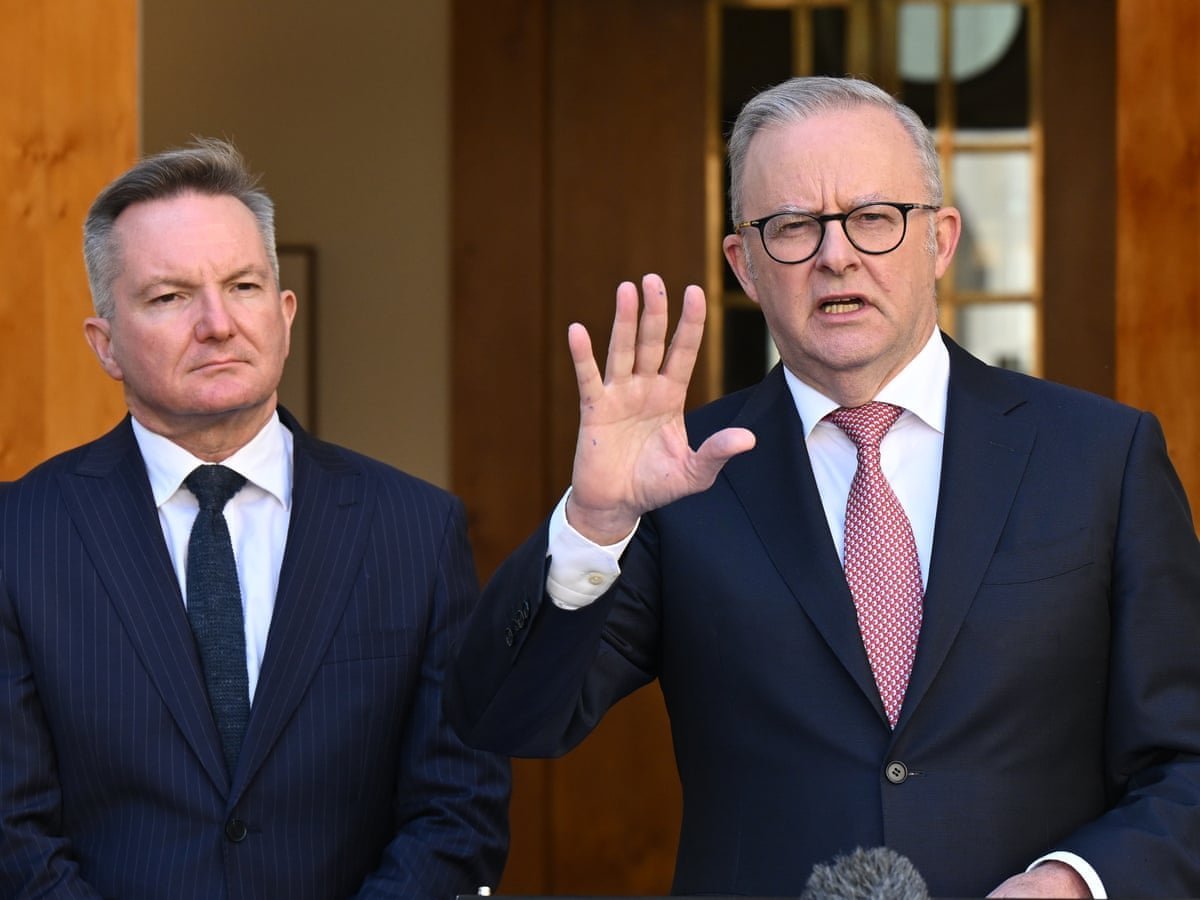
Prime Minister Anthony Albanese has promised that more relief will flow through to the bowser in the next one to two weeks.
“This relief is already starting to show up in petrol prices, and we expect more to flow through in the next one to two weeks,” the Prime Minister said in a release.
“This is more help with the cost of living for millions of Australians when they fill up.
People are under cost-of-living pressure, and a lot of that pressure is being piled on at the petrol pump due to the conflict in the Middle East.”
The federal government has also confirmed that it has enacted stage two of its four-stage emergency fuel strategy. This includes temporarily allowing lower fuel standards to ensure more fuel can be imported, as well as underwriting fuel shipments to guarantee supply.
However, the Prime Minister and Energy Minister Chris Bowen have steered away from speculation about fuel rationing.
Security analysts say that the move to reduce petrol prices is a welcome relief for Australian motorists, but warn that the country’s fuel security remains a concern.
“While the reduction in petrol prices is a positive step, it’s essential that we continue to focus on improving our fuel security and reducing our reliance on imported fuel,” one analyst said.
Industry observers believe that the additional discount will have a positive impact on the economy, particularly for small businesses and families who rely on their vehicles for work and daily activities.
“This discount will be a welcome relief for many Australians who have been struggling to make ends meet,” one observer said.
As the country continues to navigate the challenges of record-high fuel prices, the additional discount is a timely reminder that there are measures in place to support motorists.
However, with the conflict in the Middle East ongoing, it remains to be seen how long these prices will remain low.
Analysis: What This Means for Australia
The reduction in petrol prices is a significant development for Australian motorists, but it also has broader implications for the country’s economy and national security.
As the world grapples with the challenges of climate change and energy security, it’s essential that Australia continues to invest in renewable energy sources and reduce its reliance on imported fuel.
Law enforcement insiders warn that the reduction in petrol prices may also have an impact on the black market for fuel, which has been a concern in recent years.
“While the reduction in petrol prices is a positive step, it’s essential that we continue to monitor the black market for fuel and take action to prevent any illicit activity,” one insider said.
As the country looks to the future, it’s clear that the reduction in petrol prices is just one part of a larger conversation about energy security and sustainability.
As Australia continues to navigate the challenges of the 21st century, it’s essential that we prioritize investment in renewable energy sources and reduce our reliance on imported fuel.