Delusional Leaders: The Hidden Danger of Self-Deception in Politics
- Research reveals that humans have an “optimal margin of illusion” that helps us function, but can be disastrous when leaders are overly self-deceptive
- Politicians like Boris Johnson and Donald Trump exemplify this trait, with devastating consequences for their countries
- Self-deception can lead to poor decision-making, inaction, and a disconnection from reality, putting millions of lives at risk
- Experts warn that leaders who cannot accept negative information or acknowledge mistakes will never address the problems they face
The concept of the “optimal margin of illusion” was first introduced by psychologist Roy Baumeister in the late 1980s. It suggests that humans function best when they have a moderate degree of distortion in their perception of themselves and the world.
This self-deception can be beneficial, making us happier and more confident. However, when this trait is taken to an extreme, it can have disastrous consequences, particularly when it comes to leaders in positions of power.
Take Boris Johnson, the former British Prime Minister, for example. During the COVID-19 pandemic, he was notoriously complacent, downplaying the virus’s infectiousness and lethality.
His top adviser, Dominic Cummings, revealed that Johnson thought the pandemic would be “just like swine flu,” which killed at most a few hundred thousand people worldwide.
In reality, COVID-19 went on to claim over 7 million lives. Johnson’s self-deception led to a delayed response, resulting in unnecessary deaths and suffering.

Across the Atlantic, Donald Trump exemplifies an even more extreme form of self-deception. During the pandemic, he insisted that the virus would “disappear” and refused to believe his own government’s data on cases and deaths.
He even went so far as to imply that the figures were being doctored to make him look bad. The consequences were catastrophic, with over 1.2 million Americans losing their lives.
Trump’s inability to process negative information and acknowledge mistakes has become a hallmark of his leadership style, with devastating consequences for the country.
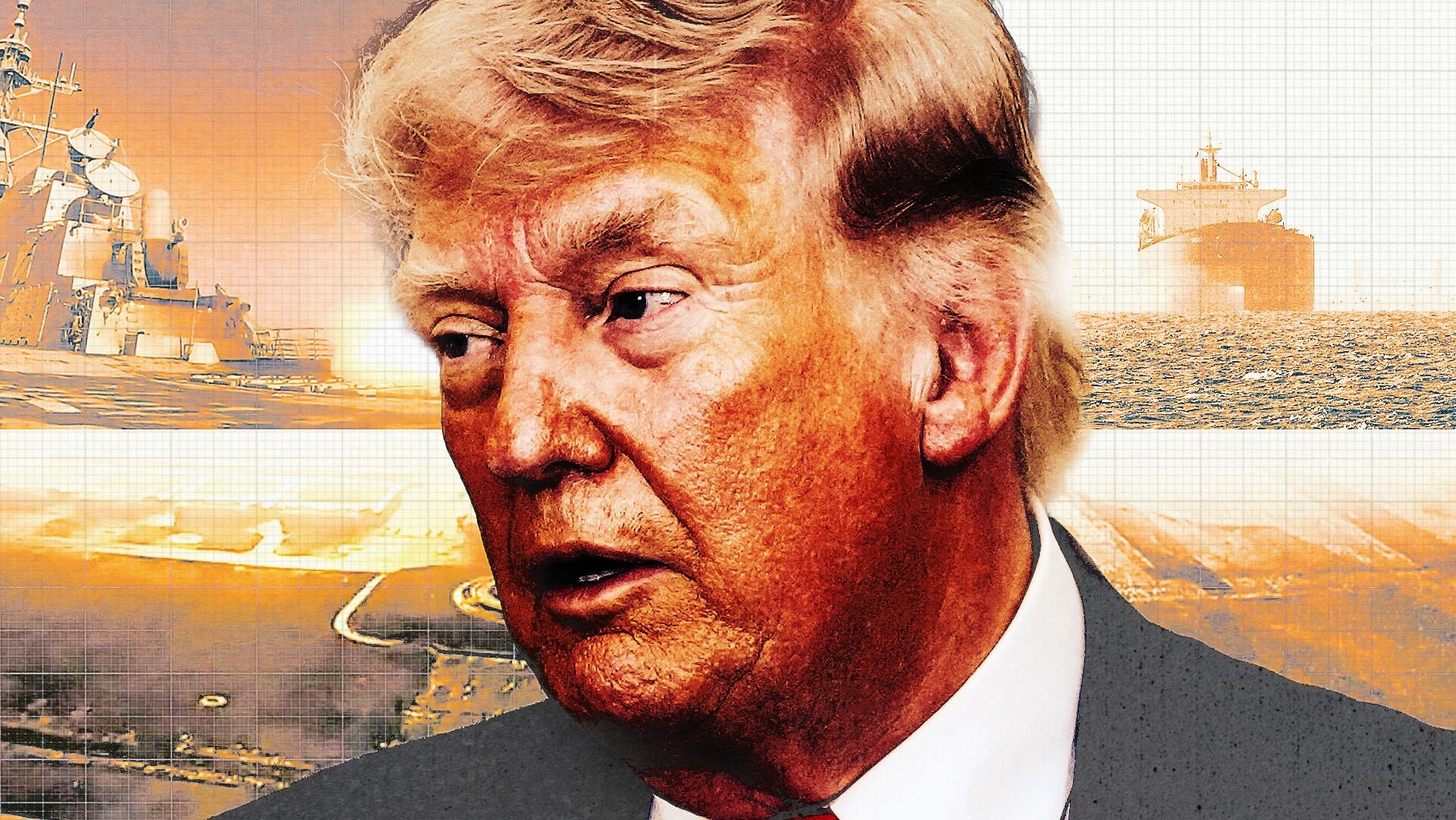
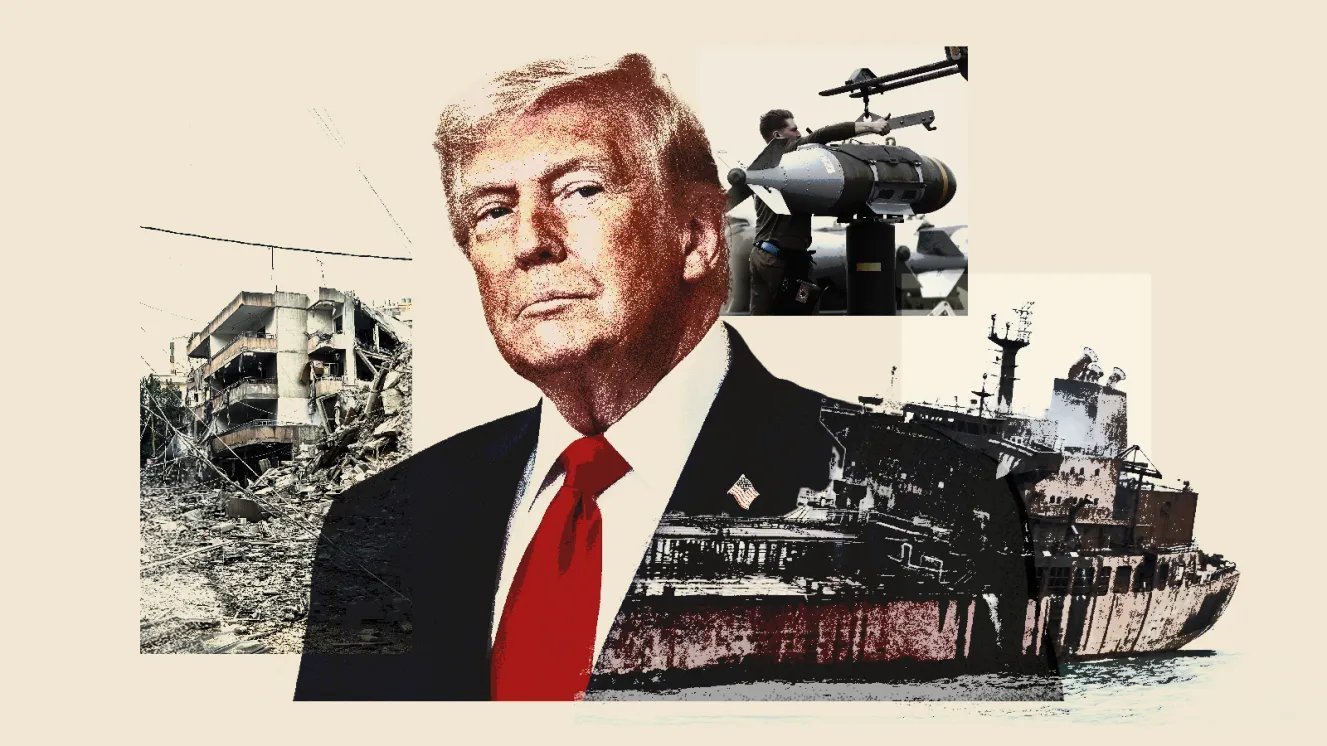
But what happens when a leader’s self-deception becomes a time bomb, waiting to unleash its destructive power on the world? Trump’s war against Iran is a prime example.
He thought the regime would “obligingly fall over” after a spot of sustained bombing, but now finds himself stuck.
He has no idea how to reopen the Strait of Hormuz, and his national address this week was a rhetorical equivalent of treading water, offering no announcement, no policy shift, no plan, and no outline of what any plan could potentially look like.
Analysis: What This Means for Australia
The implications of self-deception in politics are far-reaching and have significant consequences for national security, law enforcement, and community safety. When leaders are unable to accept reality, they make decisions that put millions of lives at risk.
In Australia, we must be vigilant and ensure that our leaders are grounded in reality, rather than living in a world of illusions.
Security analysts say that the danger of self-deception in politics is that it can lead to a disconnection from reality, resulting in poor decision-making and inaction.
This can have devastating consequences, particularly in the context of national security.
Law enforcement insiders warn that leaders who cannot accept negative information or acknowledge mistakes will never address the problems they face, putting the community at risk.
Industry observers believe that the key to preventing self-deception in politics is to promote a culture of transparency and accountability. This can be achieved through robust checks and balances, as well as a free and independent media.
By holding our leaders to account and ensuring that they are grounded in reality, we can prevent the kind of disasters that have occurred in the UK and the US.