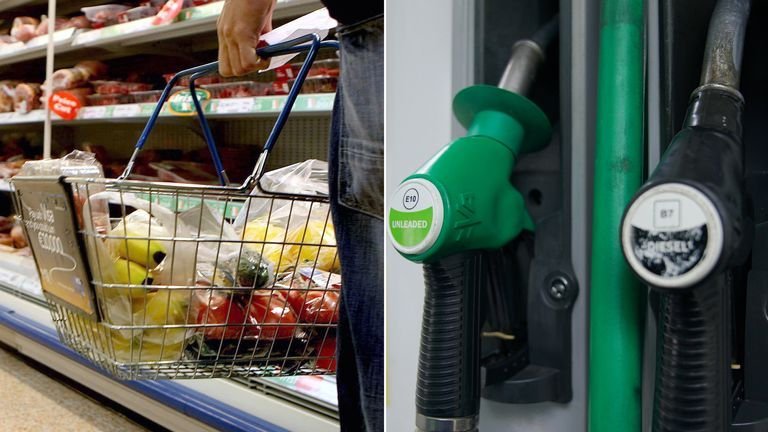
Fuel Crisis Deepens: Australia’s Farmers and Growers on Brink of Disaster as Petrol and Diesel Shortages Worsen
- Australia’s fuel reserves are holding steady, but high demand is causing shortages in regional areas, with farmers bearing the brunt of the crisis.
- Farmers and growers are urging supermarkets to pay more for fresh produce, warning that increased fuel costs could have “serious consequences” for the industry.
- The federal government is urging consumers not to panic buy, but experts warn that price hikes will ultimately be passed on to consumers.
- The fuel crisis is having a devastating impact on regional communities, with some areas facing severe shortages and disruptions to essential services.
The fuel crisis gripping Australia is showing no signs of easing, with farmers and growers warning that they are on the brink of disaster.
Despite the government’s assurances that fuel reserves are holding steady, high demand is causing shortages in regional areas, with farmers bearing the brunt of the crisis.
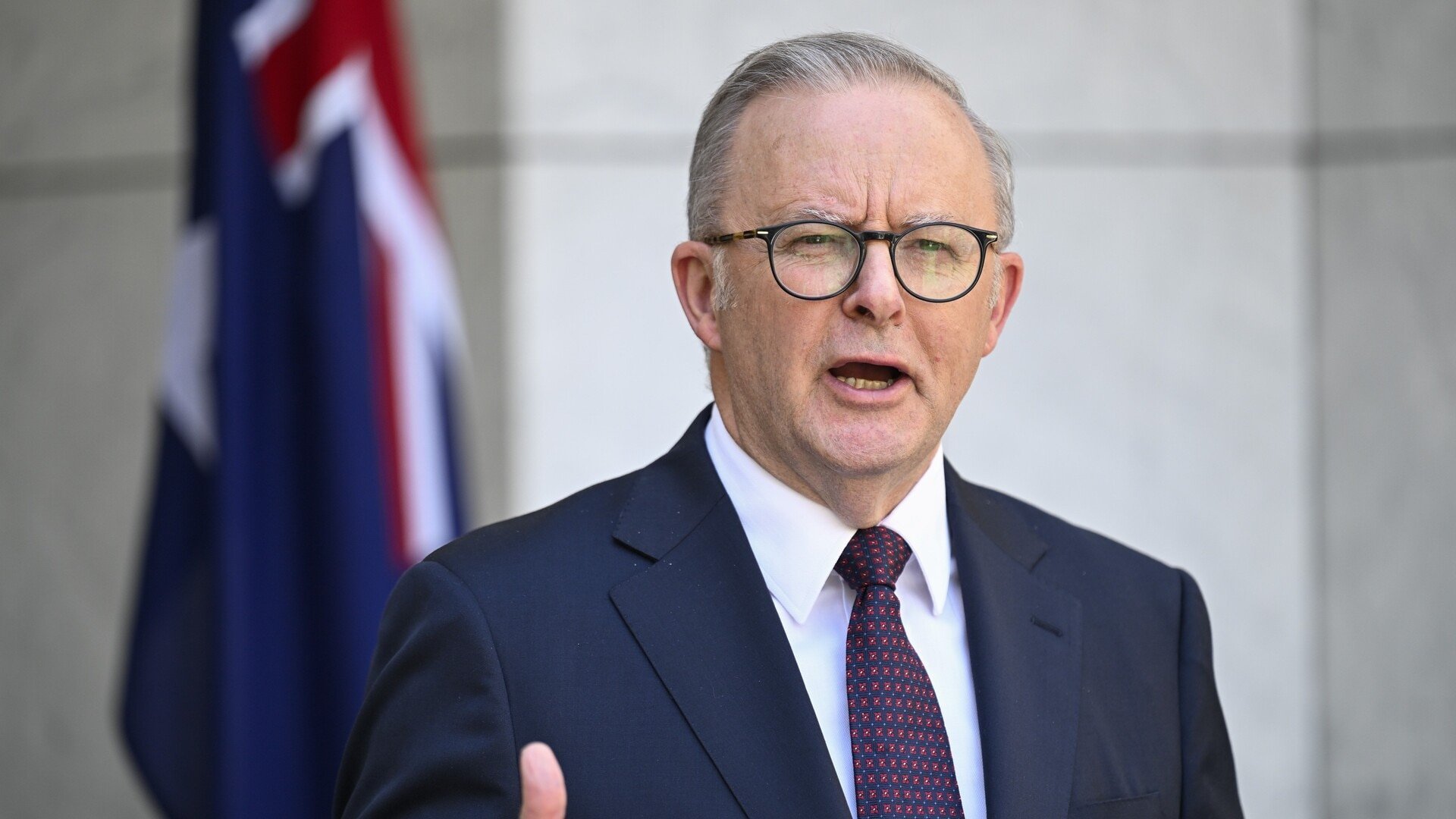
According to Energy Minister Chris Bowen, Australia’s fuel reserves have held steady, with 39 days of petrol, 29 days of diesel, and 30 days of jet fuel left in reserve.
However, this has done little to ease the minds of farmers and growers, who are struggling to cope with the increased costs of fuel.
The National Farmers’ Federation’s Horticulture Council has written to Australia’s major supermarket chains, urging them to pay more for fresh produce to help cover farmers’ costs.



The council warned that increased fuel prices could not be absorbed by suppliers without “serious consequences,” including disruptions to the supply chain.
As the fuel crisis deepens, regional communities are facing severe shortages and disruptions to essential services. In one regional Australian community, the people being affected by the fuel crisis are not always who you would think.
The shortage of fuel is having a devastating impact on local businesses, including farmers and growers who rely on diesel to transport their produce.
The federal government is urging consumers not to panic buy, but experts warn that price hikes will ultimately be passed on to consumers.
The FAO food price index, which tracks monthly changes in the international prices of a basket of groceries, shows an increase in global prices for the second month in a row.
NSW Skills Minister Steve Whan said price rises were nearly inevitable. “As production costs and the inputs of production go up, you’ve got to see that reflected in the prices that people pay, unfortunately,” he said.
Energy Minister Chris Bowen acknowledged that increased fuel prices meant rising prices across the board, but added that government measures like halving the fuel excise should help.
“While this war goes on, while diesel and petrol gets more expensive internationally, it will have an impact,” he said.
Analysis: What This Means for Australia
The fuel crisis is having a significant impact on Australia’s economy, with the increased costs of fuel affecting businesses and consumers alike. The shortage of fuel is also having a devastating impact on regional communities, with some areas facing severe shortages and disruptions to essential services.
The government’s decision to halve the fuel excise is a step in the right direction, but experts warn that more needs to be done to address the root causes of the crisis.
The fuel crisis is a complex issue, with multiple factors contributing to the shortage of fuel.
Security analysts say that the fuel crisis highlights the need for Australia to diversify its energy sources and reduce its reliance on imported fuel. “The fuel crisis is a wake-up call for Australia to take action and reduce its vulnerability to international market fluctuations,” said one analyst.
Law enforcement insiders warn that the fuel crisis is also having an impact on public safety, with some areas facing increased crime and social unrest. “The fuel crisis is a perfect storm of economic and social factors that are having a devastating impact on communities,” said one insider.
Industry observers believe that the fuel crisis will have long-term consequences for Australia’s economy and society. “The fuel crisis is a symptom of a larger problem – Australia’s reliance on imported fuel and its vulnerability to international market fluctuations,” said one observer.