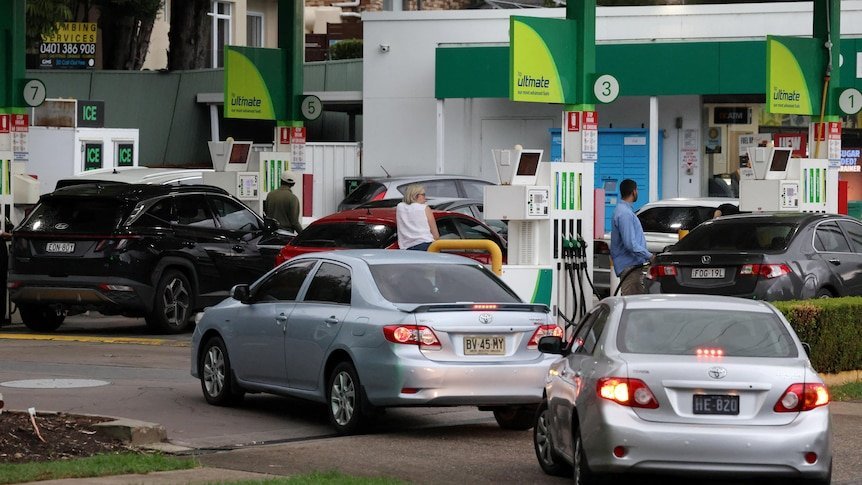
NSW Cracks Down on Fuel Price Gouging: 93 Penalties Issued as Motorists Urged to Report Rogue Service Stations
- NSW Fair Trading officers inspected 1,800 service stations, issuing 93 penalty notices for misleading pricing and suspected price exploitation.
- Motorists can now report service stations with misleading fuel prices via the FuelCheck app and website, with 500,000 daily users seeking the best deals.
- The government will inject $2.2 million into the FuelCheck website and app to improve data collection and combat price gouging.
- Penalties for non-compliance can reach up to $110,000 for corporations and $22,000 for individuals, with on-the-spot fines of $1,100.
In a crackdown on fuel price gouging, NSW Fair Trading officers have inspected 1,800 service stations across the state, issuing 93 penalty notices for misleading pricing and suspected price exploitation.
The blitz, which took place over the past week, aimed to ensure retailers were not engaging in deceptive pricing practices following the fuel excise cuts.
Minister for Better Regulation and Fair Trading Anoulack Chanthivong warned that the government would not tolerate service stations taking advantage of motorists during a difficult time.
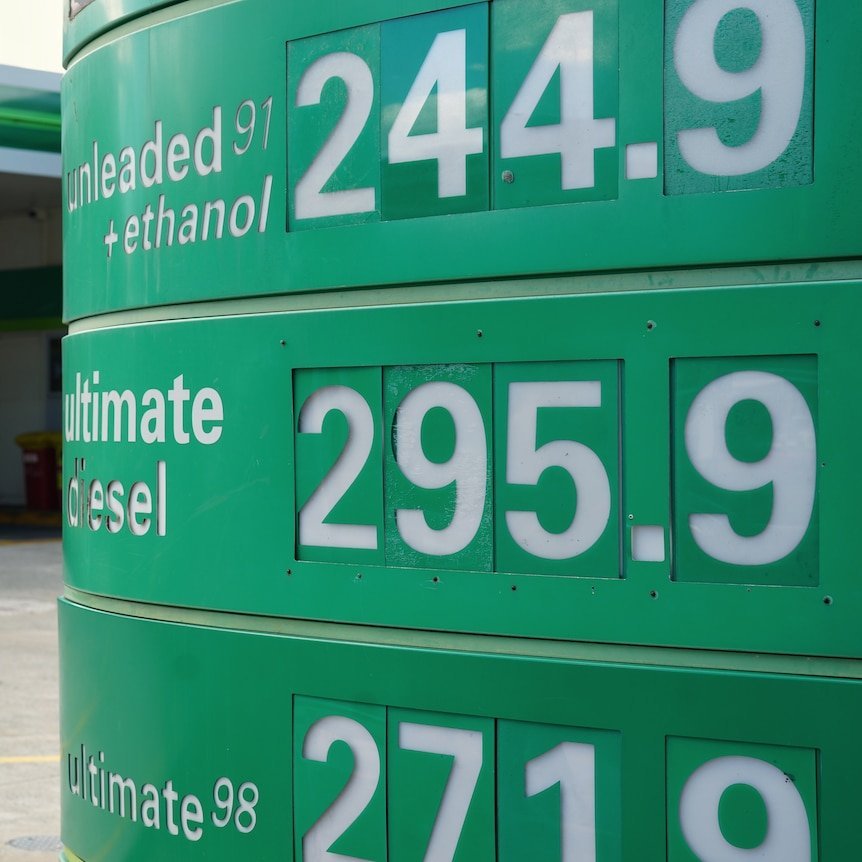
“If I go to XYZ petrol station down the road and it’s advertising $2.15 for 95, it should be $2.15 when I actually turn up,” he said.
“We won’t tolerate those who are trying to take advantage of their fellow Australians.”


The inspections found that most penalties were related to prices at the bowser differing from those listed on NSW FuelCheck, a tool that tracks petrol prices in real-time.
About 75 per cent of service stations in NSW were inspected by the beginning of April, with at least 24 fines supported by consumer reports.
As part of the crackdown, motorists are being urged to report service stations that advertise misleading fuel prices via the FuelCheck app and website. The app has seen a surge in daily users, from 10,000 to 500,000, as motorists scramble to find the cheapest fuel prices.
The government’s investment in the FuelCheck website and app aims to improve data collection and combat price gouging. “The government won’t tolerate those who are trying to take advantage of their fellow Australians,” Mr Chanthivong said.
“It’s such a difficult time when, you know, given the conflict, it’s resulting in high petrol prices, which is flowing through the whole economy and really putting pressure on people’s cost of living.”
Analysis: What This Means for Australia
The NSW government’s crackdown on fuel price gouging has significant implications for motorists and the broader economy. With the conflict in Ukraine driving up global fuel prices, it’s essential that service stations are transparent and fair in their pricing.
The government’s investment in the FuelCheck website and app will help to ensure that motorists have access to accurate and up-to-date information about fuel prices, making it easier for them to make informed decisions about where to buy their fuel.
Security analysts say that the NSW government’s efforts to combat price gouging are a step in the right direction, but more needs to be done to address the root causes of high fuel prices.
“The government needs to take a holistic approach to addressing the issue of high fuel prices,” said one analyst. “This includes investing in renewable energy, improving fuel efficiency, and promoting competition in the fuel market.”
Law enforcement insiders warn that the crackdown on fuel price gouging is just the beginning. “We will continue to monitor service stations and take action against those who engage in deceptive pricing practices,” said one insider.
“We urge motorists to report any suspicious activity and to use the FuelCheck app and website to make informed decisions about where to buy their fuel.”
Industry observers believe that the NSW government’s efforts to combat price gouging will have a positive impact on the economy. “By promoting transparency and fairness in the fuel market, the government is helping to reduce the burden on motorists and businesses,” said one observer.
“This will have a positive impact on the economy and help to drive growth and investment.”