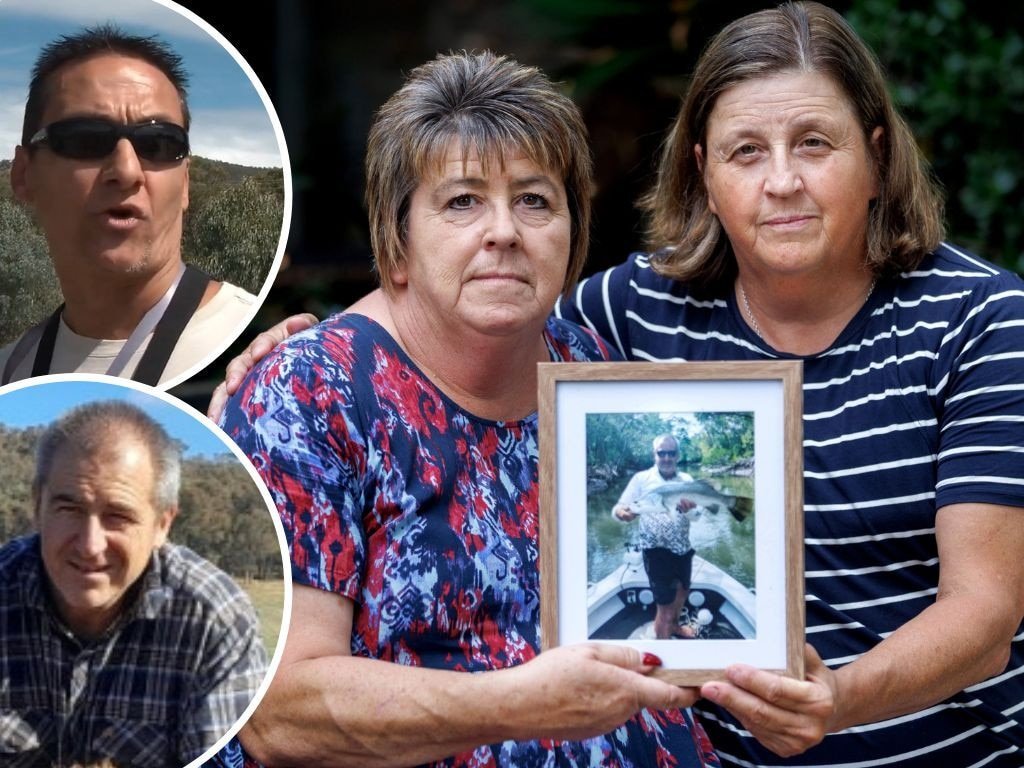
Slain Police Officer’s Sisters to Sue Victoria Police Over ‘Abandonment’ and ‘Invisible’ Treatment After Brother’s Tragic Death
- Neal Thompson’s sisters, Dianne and Lois, claim Victoria Police failed to provide adequate support and care after their brother’s death
- The sisters allege specialist forces were not deployed to execute a search warrant at Dezi Freeman’s property, leading to Mr Thompson’s fatal shooting
- The family’s treatment by Victoria Police has been described as “abandoned” and “invisible” in a letter to the Chief Commissioner
- The legal action comes after a seven-month manhunt for Dezi Freeman, who was eventually shot dead by police in a dramatic standoff
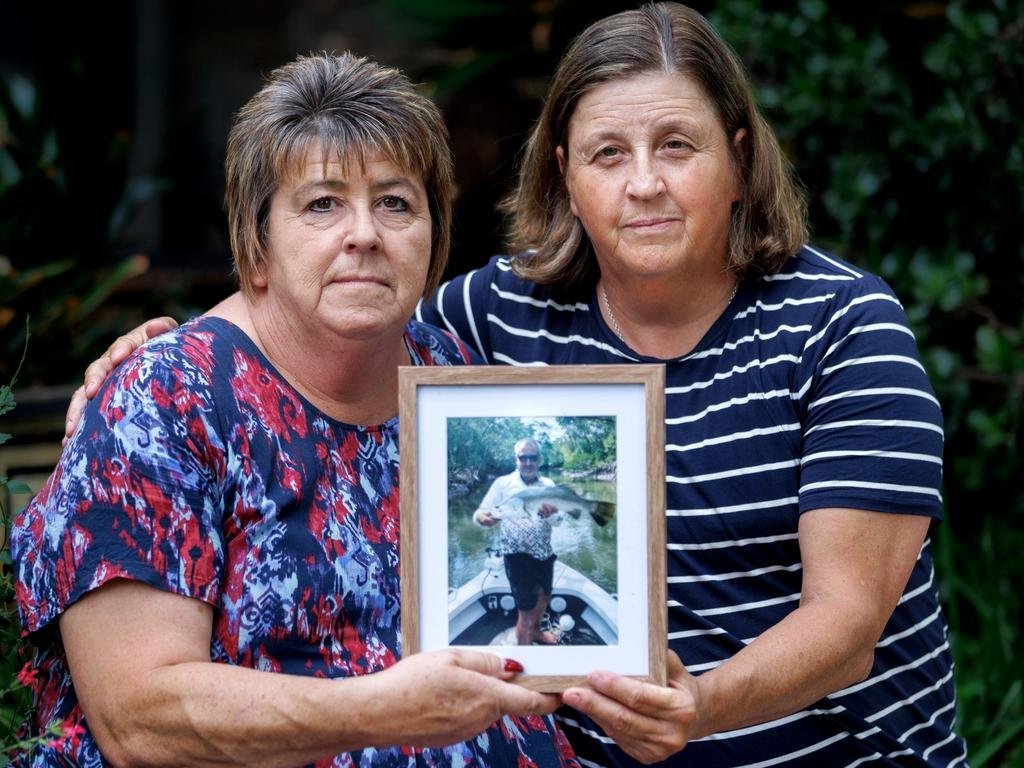
The sisters of Detective Leading Senior Constable Neal Thompson, who was tragically shot dead by Dezi Freeman last year, have launched a scathing attack on Victoria Police, claiming they were “abandoned” and treated as “invisible” in the wake of their brother’s death.
Lawyers for Dianne Thompson and Lois Kirk have confirmed they intend to take legal action against Victoria Police, citing the force’s alleged failure to deploy specialist forces to execute a search warrant at Freeman’s property in Porepunkah on August 26.
That fateful day, Detective Thompson and Senior Constable Vadim De Waart-Hottart were killed by Freeman, and a third officer was injured before the self-proclaimed sovereign citizen disappeared into dense bushland, sparking Australia’s largest-ever tactical police operation.
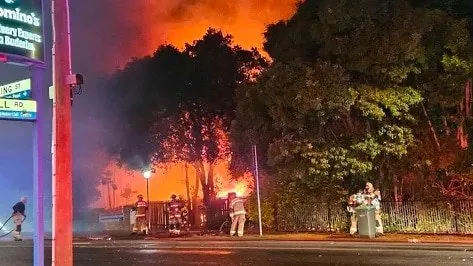
The operation ended with the fatal shooting of Freeman at Thologolong, in Victoria’s north-east, after a three-hour standoff with police. But for the Thompson family, the pain and anger linger.
In a letter to Chief Commissioner Mike Bush in December, Ms Kirk and Ms Thompson expressed their disappointment and frustration with their treatment by Victoria Police.

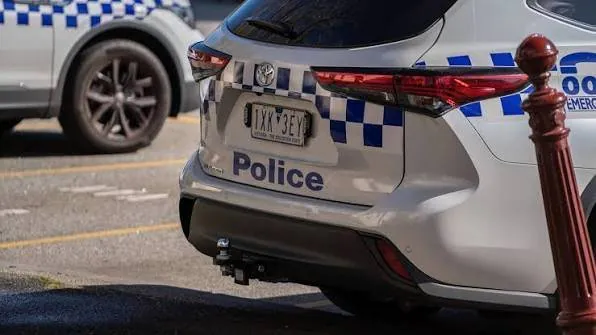
The sisters claimed they were made to feel “invisible” by police, from the moment they were informed of their brother’s death by phone call instead of in person.
“From the moment we were informed of Neal’s death by a phone call instead of in person, it felt as though the magnitude of the loss had not been understood.
Something so final, so life-breaking, deserved presence, humanity, and care,” they wrote.
The sisters also took issue with their treatment at their brother’s funeral, where they claimed some relatives had to stand while others with no close connection were prioritized.
They even had to approach Prime Minister Anthony Albanese and the Premier themselves, as they were not acknowledged.
“We had to approach the Prime Minister and the Premier ourselves as they did not know who we were,” they said. “They were not going to come over to acknowledge us.
To be ignored like that during our brother’s Full Police Honors funeral was painful beyond words.”
A spokesperson for Victoria Police said police had met with the sisters since the letter was sent in December and were continuing to speak with them, providing updates on the investigation and support with regards to their welfare and events such as memorials.
“While every effort is made to provide timely updates to all families involved, we are always conscious of the need to manage ongoing investigations,” the spokesperson said.
Analysis: What This Means for Australia
The Thompson family’s decision to sue Victoria Police raises serious questions about the force’s handling of the Freeman case and its treatment of families affected by tragedy.
Security analysts say the incident highlights the need for greater accountability and transparency within law enforcement agencies.
“The fact that the Thompson family feels abandoned and invisible is a damning indictment of Victoria Police’s handling of the situation,” said one security expert. “It’s clear that more needs to be done to support families affected by tragedy and to ensure that police protocols are followed to the letter.”
Law enforcement insiders warn that the case could have far-reaching implications for police procedures and protocols, particularly when it comes to the deployment of specialist forces and the treatment of families affected by tragedy.
Industry observers believe that the case could also lead to changes in the way police interact with families and communities, with a greater emphasis on empathy, compassion, and transparency.
As the Thompson family continues to seek justice and answers, their case serves as a powerful reminder of the need for accountability and transparency within law enforcement agencies.