Australia’s Wealthy Boomers Face Tax Hike as Treasurer Jim Chalmers Targets ‘Intergenerational Issues’ in Next Budget
- Treasurer Jim Chalmers hints at higher taxes for wealthy and older Australians in the next Budget
- Chalmers suggests reforms will target ‘intergenerational issues’ in the economy and society
- Prime Minister Anthony Albanese places housing at the centre of Labor’s economic vision, emphasizing fairness and long-term sustainability
- Coalition flags opposition to changes involving negative gearing and capital gains tax, sparking a heated debate on tax reform
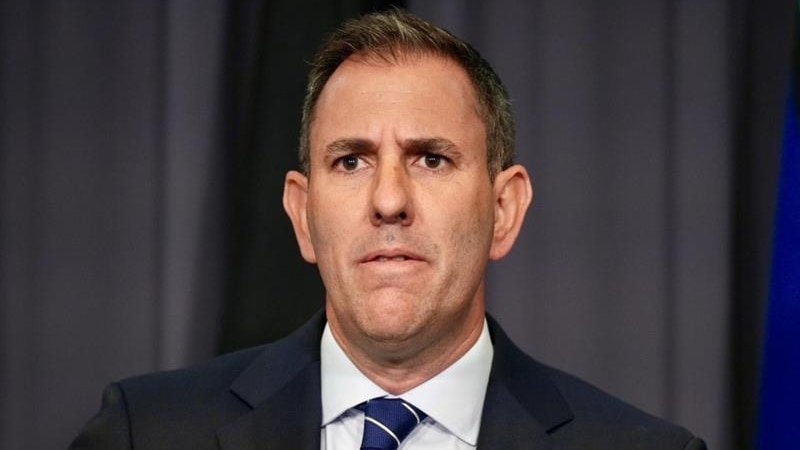
As the federal Budget looms, Treasurer Jim Chalmers has dropped a bombshell hint that wealthier and older Australians could face higher taxes in the next Budget.
In an interview with Peter FitzSimons, Chalmers touched on last year’s superannuation changes as a model for broader reform, sparking a heated debate on tax reform and intergenerational fairness.
Chalmers’ comments have been interpreted as a clear signal to those who benefit most from generous tax concessions, with the Coalition already flagging its opposition to changes involving negative gearing and capital gains tax.
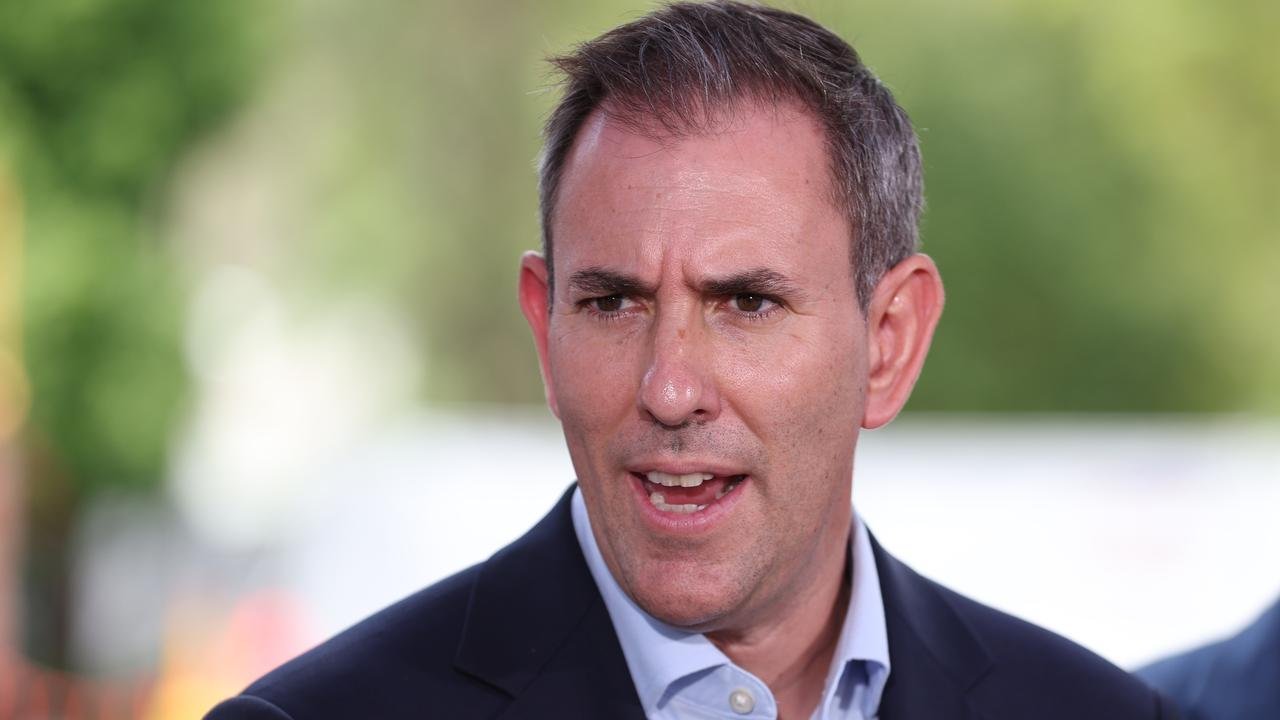
However, Chalmers remains committed to framing the debate around fairness and long-term sustainability, echoing the sentiments of Prime Minister Anthony Albanese.
Albanese recently emphasized the importance of housing in Labor’s economic vision, describing secure access to housing as essential to social cohesion and economic strength. He argued that a fairer economy is stronger because it is fairer, and that national unity depends on inclusion.




Chalmers’ hints at tax reform have sparked a heated debate on the issue, with some arguing that it is necessary to address the growing wealth gap between generations.
According to Chalmers, the superannuation reforms implemented last year, which scaled back tax concessions on super balances above $3 million, are a model for broader reform.
He suggested that these reforms make the tax breaks at the top fairer, allowing the government to fund more super for people on lower incomes, particularly younger people.
This, he argued, is a step towards addressing the intergenerational issues in the economy and society.
However, not everyone is convinced that tax reform is the answer. Opposition Leader Angus Taylor has argued that if the government wants more of something, it should not tax it more.
The Coalition has flagged its opposition to changes involving negative gearing and capital gains tax, sparking a heated debate on the issue.
As the debate rages on, one thing is clear: the next Budget will be a crucial moment in the government’s efforts to address the growing wealth gap between generations.
With the federal Budget looming, all eyes will be on Chalmers as he hands down his fifth budget on May 12.
Analysis: What This Means for Australia
The potential tax hike for wealthy and older Australians has significant implications for the country’s economy and society. On one hand, it could help address the growing wealth gap between generations and ensure that the tax system is fairer and more sustainable.
On the other hand, it could have unintended consequences, such as discouraging investment and entrepreneurship.
Security analysts say that the government’s efforts to address intergenerational issues are crucial to maintaining social cohesion and economic strength. By targeting tax concessions and ensuring that the tax system is fairer, the government can help reduce inequality and promote economic growth.
Law enforcement insiders warn that the government’s efforts to address tax evasion and avoidance will be crucial to ensuring that the tax system is fair and effective.
By cracking down on tax cheats and ensuring that everyone pays their fair share, the government can help reduce the burden on honest taxpayers and promote economic growth.
Industry observers believe that the government’s efforts to promote housing affordability and address the growing wealth gap between generations are crucial to maintaining economic growth and social cohesion.
By targeting tax concessions and ensuring that the tax system is fairer, the government can help reduce inequality and promote economic growth.
As the debate rages on, one thing is clear: the next Budget will be a crucial moment in the government’s efforts to address the growing wealth gap between generations.
With the federal Budget looming, all eyes will be on Chalmers as he hands down his fifth budget on May 12.