
Exclusive: Australian Army Reservist Faces 20 Years’ Jail for ‘Treasonous’ Act of Fighting for Ukraine Without Permission
- A 25-year-old Australian Army reservist has been charged with breaching defence legislation by allegedly working for the Ukrainian military as a drone operator without authorisation.
- The South Australian man, who is set to face court today, could face up to 20 years in prison if convicted of the offence.
- The case has sparked concerns about the potential national security risks posed by Australian citizens fighting for foreign militaries without permission.
- Experts warn that the incident highlights the need for stronger laws to prevent Australians from engaging in “treasonous” activities that could compromise the country’s interests.
The shocking case of an Australian Army reservist who allegedly fought for the Ukrainian military without permission has sent shockwaves through the nation’s defence community.
The 25-year-old South Australian man, who is set to face court today, is accused of breaching defence legislation by serving as a drone operator for the Ukrainian Armed Forces in the war against Russia.
According to the Australian Federal Police (AFP), the man travelled to Ukraine in May 2025 to join the conflict without obtaining the necessary authorisation from the Australian government.
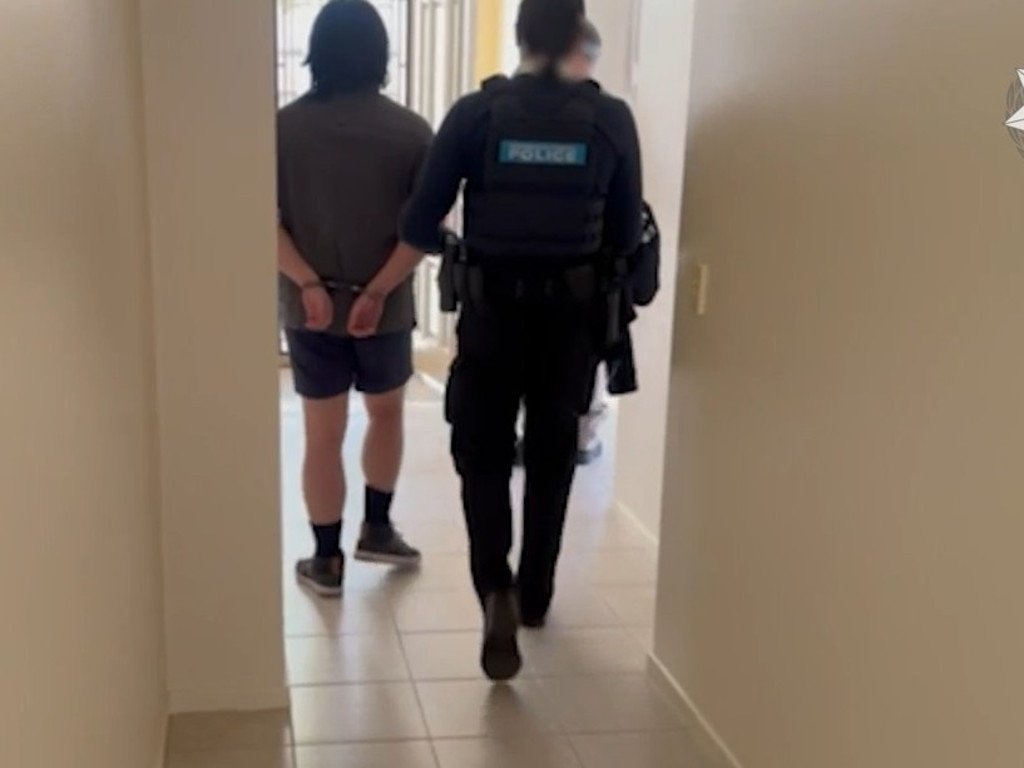
He returned to Australia in January this year, but his actions were only discovered after a referral from the Department of Defence sparked an investigation.
The AFP alleges that the man’s electronic devices, which were seized during a search warrant at his Felixstow home in Adelaide’s north-eastern suburbs, contained images linking him to participation in the foreign conflict.




The evidence is expected to be presented in court today, where the man will face one count of foreign work restricted individual working for a foreign military organisation or government body, contrary to section 115A of the Defence Act 1903.
The incident has raised serious concerns about the potential national security risks posed by Australian citizens fighting for foreign militaries without permission. Security analysts say that such actions could compromise the country’s interests and potentially put Australian lives at risk.
“This is a very serious offence, and it’s not just about the individual involved,” said one security expert.
“It’s about the potential risks to Australia’s national security and the need for stronger laws to prevent this kind of behaviour in the future.”
The case has also sparked debate about the laws governing Australian citizens who engage in foreign conflicts.
While it is not an offence for an Australian to join the armed forces of a foreign country, defence legislation regulates the work that certain individuals can perform for a foreign military, government or company without authorisation.
Analysis: What This Means for AustraliaThe incident highlights the need for stronger laws to prevent Australians from engaging in “treasonous” activities that could compromise the country’s interests.
It also raises concerns about the potential national security risks posed by Australian citizens fighting for foreign militaries without permission.
Law enforcement insiders warn that the case is just the tip of the iceberg, and that there may be other Australians who are engaging in similar activities without permission.
They say that the incident highlights the need for greater cooperation between law enforcement agencies and the intelligence community to prevent such activities.
“The reality is that we have a lot of Australians who are travelling overseas to engage in conflicts, and we need to make sure that we have the laws and the resources in place to prevent them from compromising our national security,” said one law enforcement insider.
Expert Commentary
Security analysts say that the incident highlights the need for stronger laws to prevent Australians from engaging in “treasonous” activities that could compromise the country’s interests.
“It’s not just about the individual involved, it’s about the potential risks to Australia’s national security,” said one security expert.
“We need to make sure that we have the laws and the resources in place to prevent this kind of behaviour in the future.”
Industry observers believe that the case will have significant implications for the Australian Defence Force and the way that it regulates the activities of its personnel.
“This is a wake-up call for the Australian Defence Force, and it highlights the need for stronger laws and regulations to prevent this kind of behaviour in the future,” said one industry observer.
The shocking case of an Australian Army reservist who allegedly fought for the Ukrainian military without permission has sent shockwaves through the nation’s defence community. The 25-year-old South Australian man, who is set to face court today, is accused of breaching defence legislation by serving as a drone operator for the Ukrainian Armed Forces in the war against Russia.
According to the Australian Federal Police (AFP), the man travelled to Ukraine in May 2025 to join the conflict without obtaining the necessary authorisation from the Australian government. He returned to Australia in January this year, but his actions were only discovered after a referral from the Department of Defence sparked an investigation.
The AFP alleges that the man’s electronic devices, which were seized during a search warrant at his Felixstow home in Adelaide’s north-eastern suburbs, contained images linking him to participation in the foreign conflict. The evidence is expected to be presented in court today, where the man will face one count of foreign work restricted individual working for a foreign military organisation or government body, contrary to section 115A of the Defence Act 1903.
The incident has raised serious concerns about the potential national security risks posed by Australian citizens fighting for foreign militaries without permission. Security analysts say that such actions could compromise the country’s interests and potentially put Australian lives at risk.
“This is a very serious offence, and it’s not just about the individual involved,” said one security expert. “It’s about the potential risks to Australia’s national security and the need for stronger laws to prevent this kind of behaviour in the future.”
The case has also sparked debate about the laws governing Australian citizens who engage in foreign conflicts. While it is not an offence for an Australian to join the armed forces of a foreign country, defence legislation regulates the work that certain individuals can perform for a foreign military, government or company without authorisation.
The incident highlights the need for stronger laws to prevent Australians from engaging in “treasonous” activities that could compromise the country’s interests. It also raises concerns about the potential national security risks posed by Australian citizens fighting for foreign militaries without permission.
Law enforcement insiders warn that the case is just the tip of the iceberg, and that there may be other Australians who are engaging in similar activities without permission. They say that the incident highlights the need for greater cooperation between law enforcement agencies and the intelligence community to prevent such activities.
“The reality is that we have a lot of Australians who are travelling overseas to engage in conflicts, and we need to make sure that we have the laws and the resources in place to prevent them from compromising our national security,” said one law enforcement insider.
Expert Commentary
Security analysts say that the incident highlights the need for stronger laws to prevent Australians from engaging in “treasonous” activities that could compromise the country’s interests.
“It’s not just about the individual involved, it’s about the potential risks to Australia’s national security,” said one security expert. “We need to make sure that we have the laws and the resources in place to prevent this kind of behaviour in the future.”
Industry observers believe that the case will have significant implications for the Australian Defence Force and the way that it regulates the activities of its personnel.
“This is a wake-up call for the Australian Defence Force, and it highlights the need for stronger laws and regulations to prevent this kind of behaviour in the future,” said one industry observer.