Iran War: Trump’s Deadline Looms as Tehran Rejects Ceasefire, Australia Warns of ‘Unhelpful’ Threats
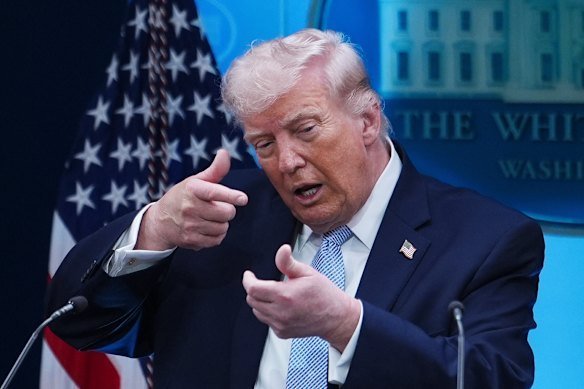
- Australia’s Prime Minister Anthony Albanese has condemned US President Donald Trump’s threats against Iranian civilian infrastructure as “unhelpful” and “unacceptable”.
- Iran has rejected a 45-day ceasefire proposal, sparking fears of further escalation in the conflict.
- The war has already caused significant disruptions to global energy supplies, with Qatar’s Ras Laffan gas export facility shut down and suffering damage that will take years to repair.
- Australia’s construction industry is bracing for price hikes and supply issues as the war drives up the cost of building materials, including polyvinyl chloride (PVC) plastic.
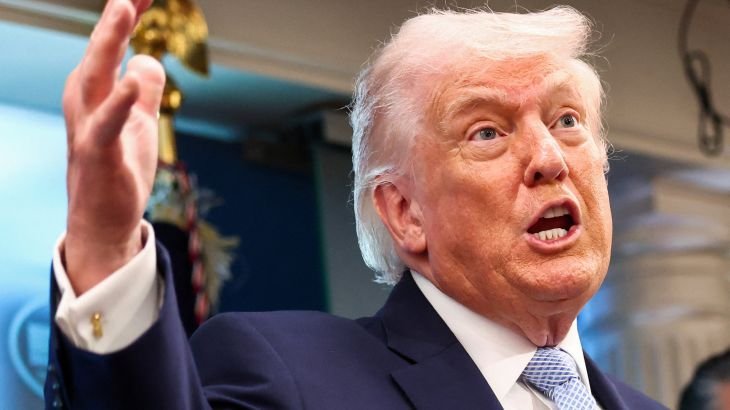
The situation in the Middle East is rapidly deteriorating, with US President Donald Trump’s deadline for Iran to reopen the Strait of Hormuz looming large. Tehran has rejected a 45-day ceasefire proposal, and Trump has threatened to hit Iranian infrastructure if a deal is not reached.
The consequences of such a move would be catastrophic, with Australia’s Prime Minister Anthony Albanese warning that it would be “unhelpful” and “unacceptable” to target civilian infrastructure.
The conflict has already had a significant impact on global energy supplies, with Qatar’s Ras Laffan gas export facility shut down and suffering damage that will take years to repair.
The facility is a critical hub for liquefied natural gas (LNG) exports, and its closure has sent shockwaves through the global energy market.
The price of LNG has surged, and Australia’s construction industry is bracing for price hikes and supply issues as the war drives up the cost of building materials, including polyvinyl chloride (PVC) plastic.
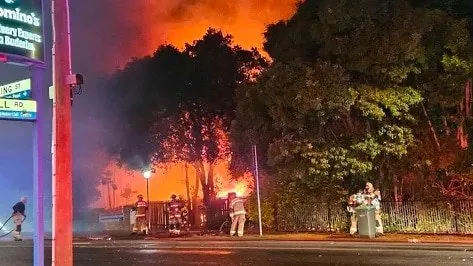


The war has also had a devastating human impact, with reports of civilian casualties and damage to residential areas.
The Iranian Red Crescent has reported that a residential area in Tehran has been hit by an air strike, and emergency workers are at the scene.
The World Health Organization (WHO) has suspended medical evacuations from Gaza to Egypt until further notice, citing a security incident that resulted in the death of a WHO contractor.
As the conflict escalates, the international community is scrambling to respond.
The UN Security Council is expected to vote on a resolution to protect commercial shipping in the Strait of Hormuz, but the text has been watered down to remove any explicit authorization of the use of force.
The resolution is seen as a crucial step in de-escalating the conflict, but its chances of success are uncertain.
Analysis: What This Means for Australia
The conflict in the Middle East has significant implications for Australia’s national security, economy, and community.
The disruption to global energy supplies has already driven up the cost of fuel and building materials, and the construction industry is bracing for further price hikes and supply issues.
The conflict also poses a risk to Australia’s trade relationships, particularly with countries in the Middle East and Asia.
Security analysts say that the conflict highlights the need for Australia to diversify its energy sources and reduce its reliance on imported fuels. The government has announced plans to increase investment in renewable energy, but more needs to be done to address the country’s energy security challenges.
Law enforcement insiders warn that the conflict also poses a risk to Australia’s domestic security, particularly in the event of a terrorist attack or cyber-attack.
The government has increased security measures at major airports and seaports, but more needs to be done to protect the country’s critical infrastructure.
Expert Commentary
“The conflict in the Middle East is a wake-up call for Australia to take action on its energy security challenges,” said Dr. Paul Barnes, a security analyst at the Australian Strategic Policy Institute.
“The government needs to invest more in renewable energy and reduce our reliance on imported fuels.”
“The conflict also poses a significant risk to Australia’s domestic security,” said Dr. John Lee, a terrorism expert at the University of Sydney.
“The government needs to increase security measures at major airports and seaports, and work with international partners to disrupt terrorist networks.”