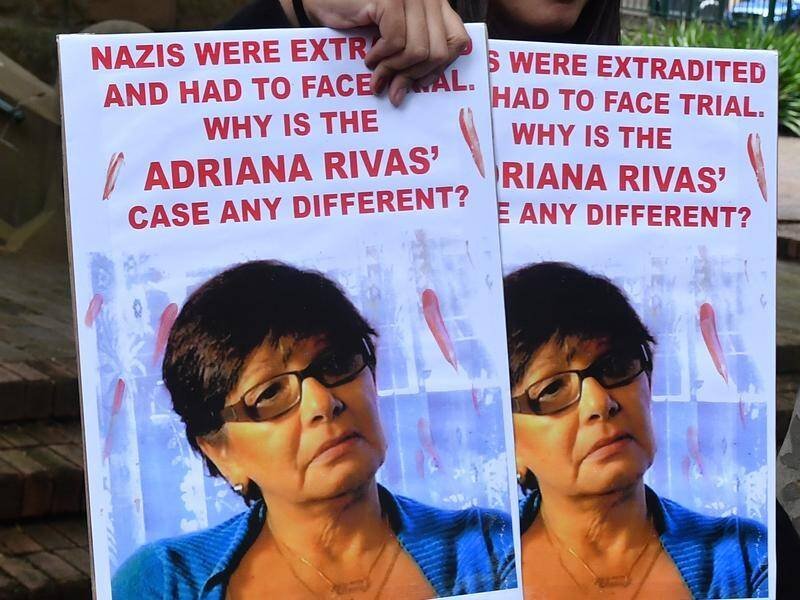
Ex-Bondi Nanny’s Desperate Bid to Evade Justice Fails: Adriana Elcira Rivas to Face Trial in Chile Over Kidnapping and Torture Claims
- A 72-year-old former Bondi nanny has lost her seven-year battle to avoid extradition to Chile, where she faces allegations of kidnapping and torture under the Pinochet regime.
- Adriana Elcira Rivas, who worked for the Pinochet dictatorship’s secret police in the 1970s, denies the claims, but Chilean prosecutors allege she was involved in the disappearance of seven people.
- The Federal Court’s decision paves the way for Rivas to be extradited to Chile, where she will face trial for crimes that have left families without closure for over 50 years.
- Rivas’s lawyer argued that the extradition offence was a crime against humanity, which was not an offence under Chilean or Australian law at the time, but the judge dismissed the challenge.
The long and arduous journey towards justice for the families of the alleged victims of Adriana Elcira Rivas’s crimes has finally reached a turning point.
After a seven-year battle to avoid extradition, the 72-year-old former Bondi nanny has been dealt a devastating blow, with the Federal Court dismissing her final appeal.
Rivas, who worked for the Pinochet dictatorship’s secret police in the 1970s, is now set to face trial in Chile for her alleged role in the kidnapping, interrogation, and disappearance of seven people.
Rivas’s lawyers had argued that the extradition offence was a crime against humanity, which was not an offence under Chilean or Australian law at the time of the alleged crimes.
However, Justice Michael Lee dismissed the challenge, finding that the indictment, arrest, and extradition material contained “consistent and repeated” identification of the relevant offending as aggravated kidnapping.




The judge also found that references to crimes against humanity did not alter the character of the offences, but rather provided context for the operation of Chilean law in relation to the offence.
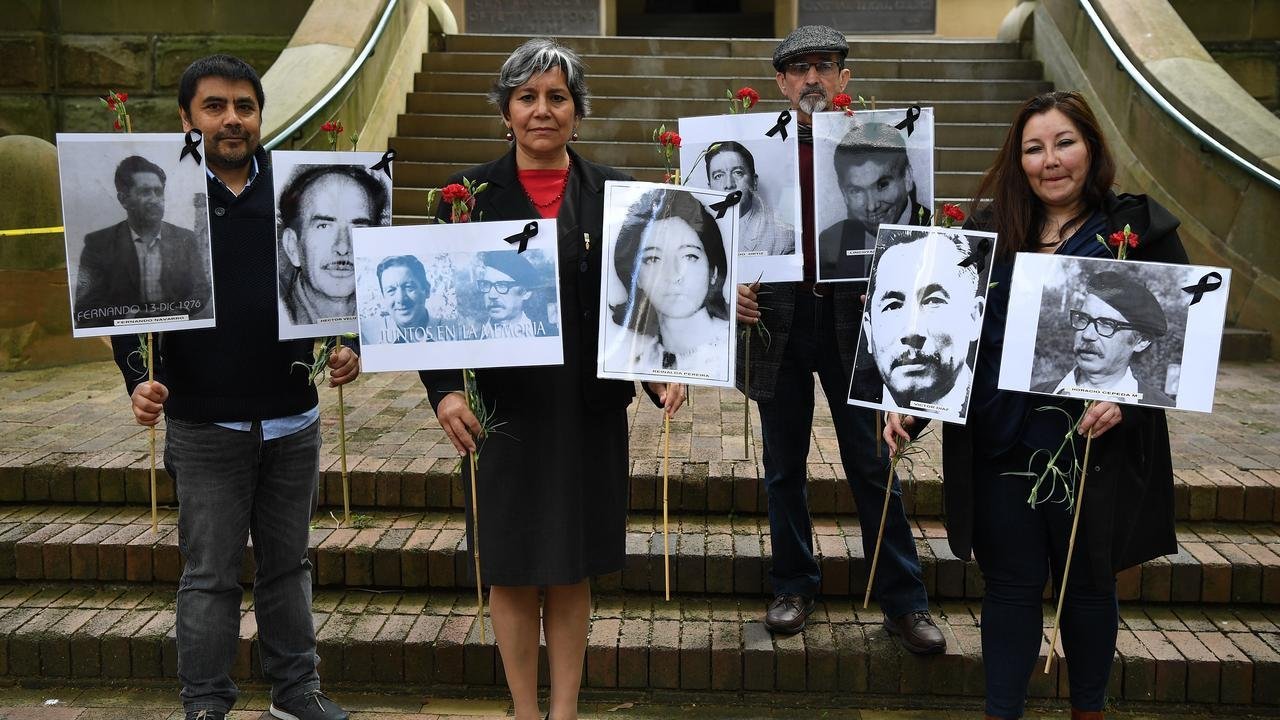
The decision has come as a relief to the families of the alleged victims, who have been waiting for over 50 years for justice. Lawyer Adriana Navarro, who is acting for the families, said that the outcome was a significant step towards closure.
“These families have not been able to have that closure; it’s been devastating,” Ms Navarro said. “They were packaged in plastic bags … and thrown into the sea.
Others were put through flour mills and dismembered. It’s something human in us, to be able to say goodbye and to know where the remains of your loved ones are.”
Analysis: What This Means for Australia
The extradition of Adriana Elcira Rivas to Chile raises important questions about Australia’s role in bringing perpetrators of human rights abuses to justice.
While Rivas’s case is a significant step towards accountability, it also highlights the need for Australia to take a more proactive approach to investigating and prosecuting war crimes and human rights abuses.
As a signatory to the Rome Statute of the International Criminal Court, Australia has a responsibility to ensure that those who commit atrocities are brought to justice, regardless of where they are found.
Security analysts say that the extradition of Rivas is a significant blow to those who would seek to escape justice for their crimes. “This decision sends a strong message that Australia will not be a haven for those who have committed human rights abuses,” said one analyst.
“It’s a significant step towards ensuring that those who commit atrocities are held accountable, and it’s a testament to the tireless efforts of the families of the victims and their lawyers.”
Law enforcement insiders warn that the case highlights the need for greater cooperation between countries in investigating and prosecuting human rights abuses. “This case demonstrates the importance of international cooperation in bringing perpetrators of human rights abuses to justice,” said one insider.
“It’s a complex and challenging process, but it’s essential that we work together to ensure that those who commit atrocities are held accountable.”