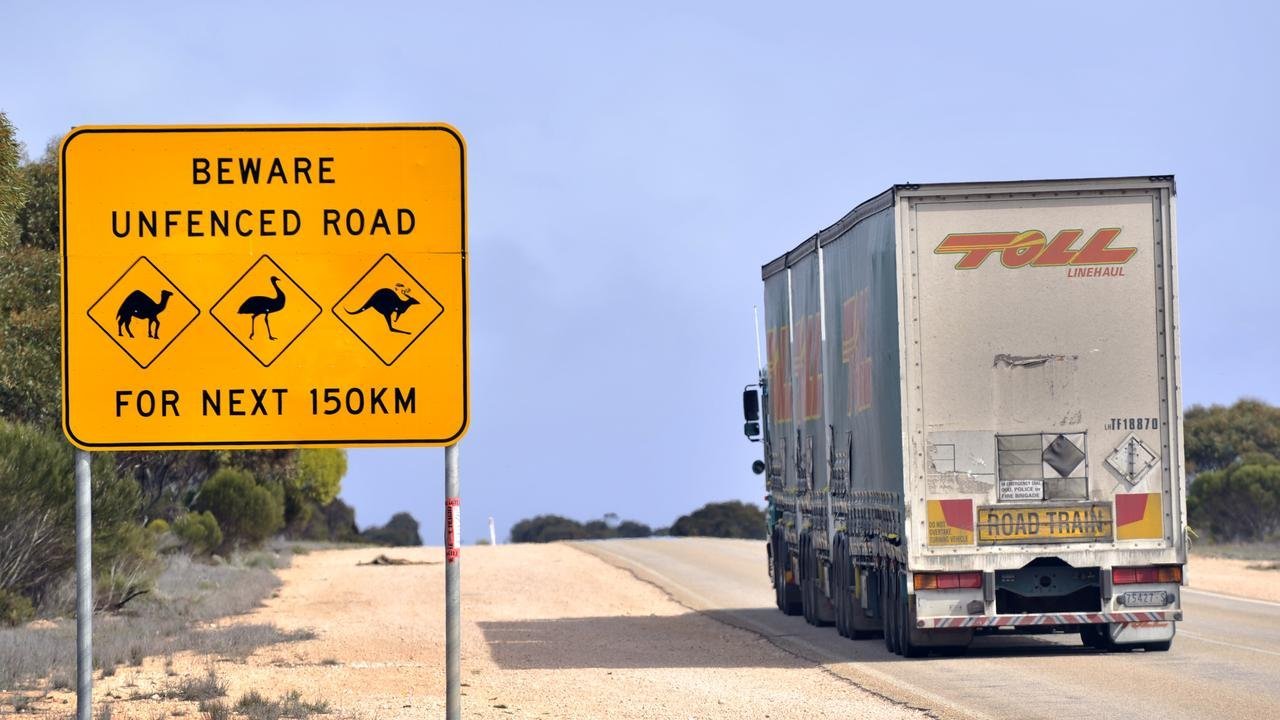
Australia’s Transport Industry on Brink of Collapse as Fuel Prices Soar: ‘Mum and Dad’ Operators at Risk of Going Bust
- Transport industry leaders warn of “crisis point” as fuel prices surge due to the Iran war
- Truck drivers and business operators call for urgent relief, saying they’re “weeks away from going out of business”
- Emergency hearing at the Fair Work Commission seeks to share the burden of rising energy prices with retailers, manufacturers, and mining companies
- Industry groups demand weekly fuel reviews to keep national supply chains running sustainably
Australia’s transport industry is on the verge of collapse, with truck drivers and business operators warning they’re “weeks away from going out of business” due to soaring fuel prices sparked by the Iran war.
An emergency hearing at the Fair Work Commission in Sydney has brought together union and industry groups, who are calling for retailers, manufacturers, and mining companies to share the burden of rising energy prices.
The Transport Workers’ Union (TWU) and employer groups are presenting a united front, saying drivers, employees, and trucking businesses are on the brink of collapse. They’ve called for transport clients to pay extra costs, which would be passed down the whole supply chain, to provide goods and services for Australians.
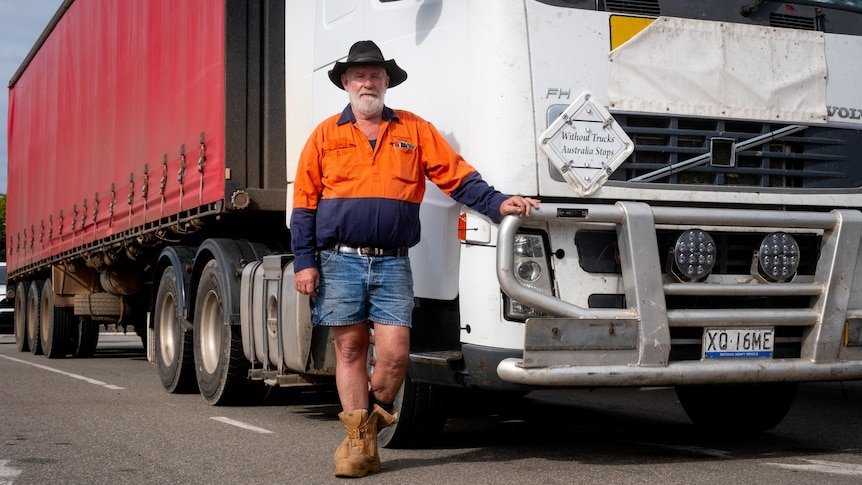
The union’s national secretary, Michael Kaine, warned that unless the crisis is addressed, “road transport is going to come to a grinding halt.”
The hearing comes after federal parliament passed the Fairer Fuel Bill, which fast-tracks emergency applications to the Fair Work Commission in road transport.


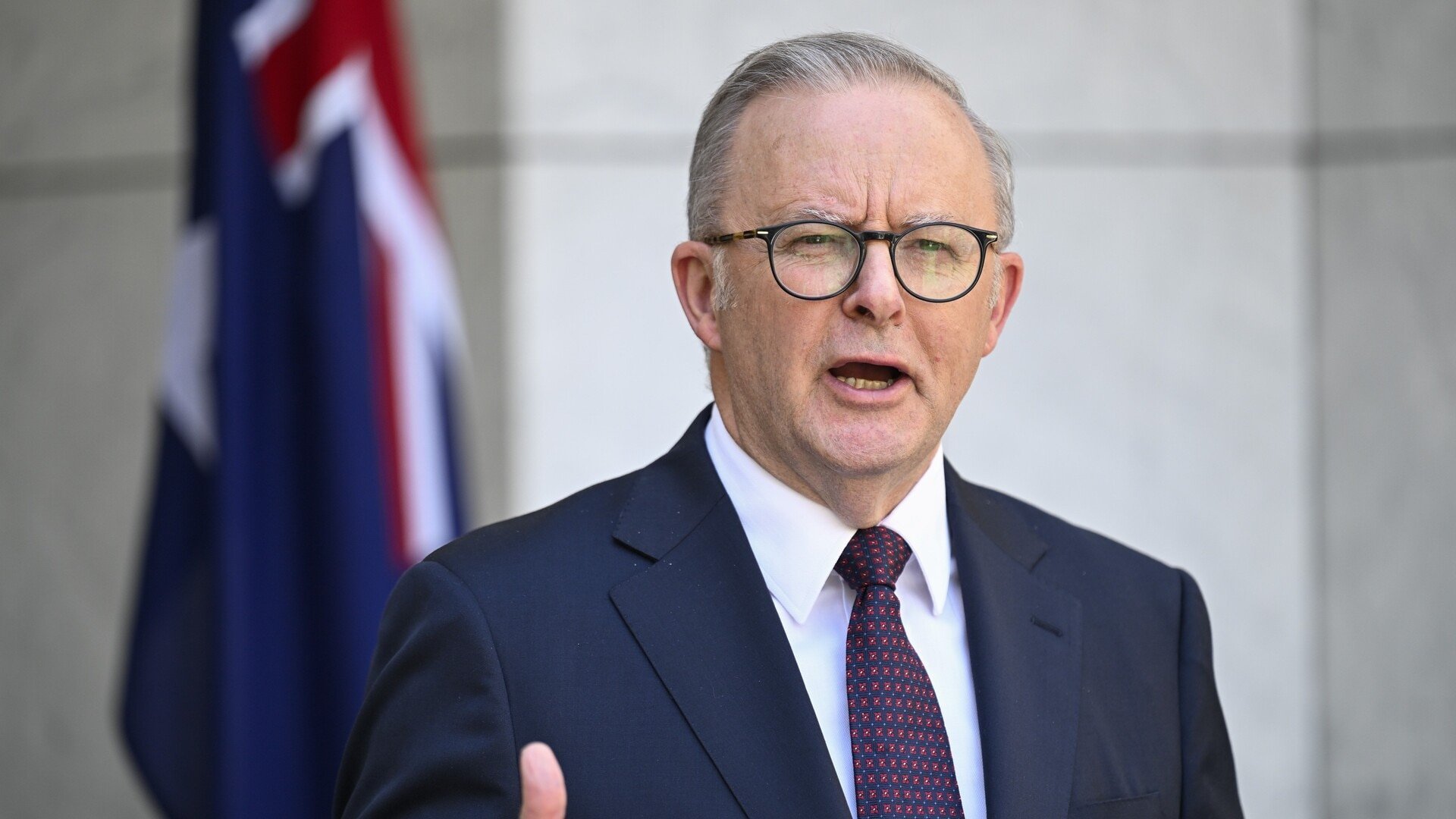

Fuel shipments to Australia have been secured “well into” May, according to the energy minister, but the number of service stations with diesel and petrol shortages remains a concern.
Zak O’Brien, a union delegate and owner-driver, said fuel costs had doubled for him and the 200 operators he represented, with “mum and dad” operators suffering the most.
Peter Anderson, national secretary of the Australian Road Transport Industrial Organisation (ARTIO), called for weekly fuel reviews to keep national supply chains running sustainably and businesses in operation.
“Some transport clients are doing the right thing to pass down fair fuel relief, but there are far too many still refusing to pay their fair share,” he said.
The global oil crisis has cast a cloud of uncertainty over Australia’s supply chains, and industry leaders are demanding urgent action to support truckies and transport operators.
Security analysts say the transport industry’s crisis has significant national security implications for Australia, as the country’s supply chains and economy rely heavily on the sector.
“The transport industry is the lifeblood of Australia’s economy, and if it collapses, the consequences will be catastrophic,” said one analyst. The industry’s struggles also raise concerns about the impact on Australian communities, particularly in rural areas where access to goods and services is already limited.
Analysis: What This Means for Australia
The transport industry’s crisis has far-reaching implications for Australia’s economy, national security, and communities.
The surge in fuel prices has exposed the vulnerability of the country’s supply chains, highlighting the need for urgent action to support truckies and transport operators.
The Fairer Fuel Bill, passed in federal parliament, is a step in the right direction, but more needs to be done to address the crisis. Industry leaders are calling for weekly fuel reviews, and the government must consider implementing measures to reduce the burden of rising energy prices on drivers.
Law enforcement insiders warn that the transport industry’s crisis could lead to increased crime and safety risks, particularly if truck drivers are forced to take desperate measures to stay afloat.
“The transport industry is already a high-risk sector, and if drivers are struggling to make ends meet, it could lead to a rise in crime and safety incidents,” said one insider.
Industry observers believe that the transport industry’s crisis is a wake-up call for Australia to diversify its energy sources and reduce its reliance on imported fuel.
“The global oil crisis has highlighted the need for Australia to develop its own energy resources and reduce its reliance on imported fuel,” said one observer.
The government must consider investing in renewable energy sources and promoting sustainable transport practices to mitigate the impact of future fuel price shocks.