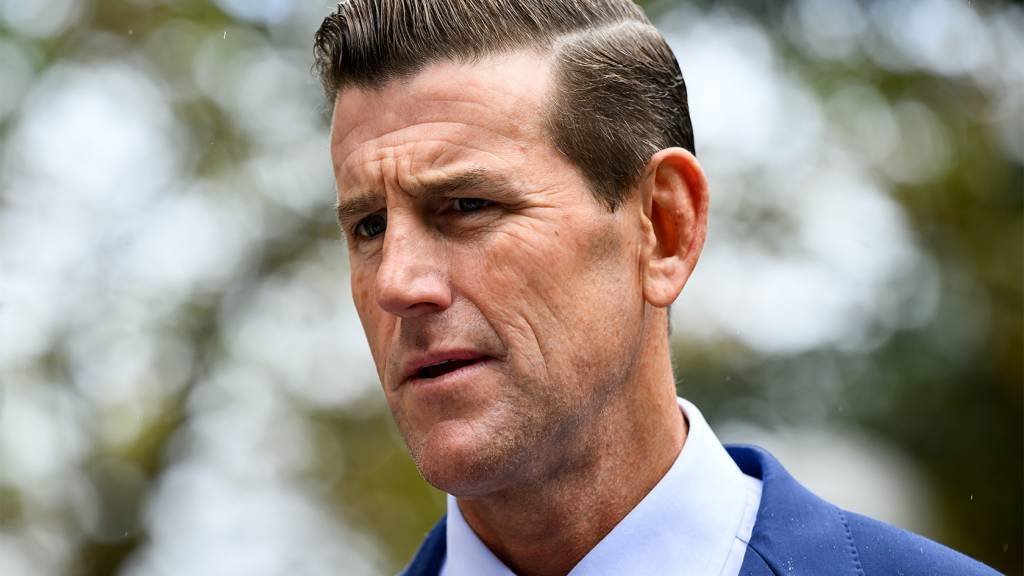
War Hero Turned Accused War Criminal: Australia’s Most Decorated Soldier Faces Months in Custody Over Alleged Murders
- Ben Roberts-Smith, Australia’s most decorated living soldier, has been charged with multiple alleged war crimes, including the murder of unarmed civilians in Afghanistan.
- The former SAS soldier will remain in custody for at least two months after his lawyers failed to secure an immediate bail hearing.
- Roberts-Smith’s case is being closely watched internationally and could have significant implications for war crimes prosecutions in Australia.
- Experts warn that the case will be challenging to prosecute due to the passage of time and the difficulty of collecting reliable evidence from a conflict zone.
Australia’s most decorated living soldier, Ben Roberts-Smith, spent his first night in custody at Sydney’s Silverwater prison after being dramatically arrested and charged with multiple alleged war crimes.
The 47-year-old Victoria Cross recipient is accused of the murder of unarmed civilians while deployed in Afghanistan between 2009 and 2012, as well as failing to stop members of his unit from killing three others.
The charges against Roberts-Smith are a significant development in a case that has been unfolding since 2017, when he unsuccessfully sued Nine newspapers for defamation.
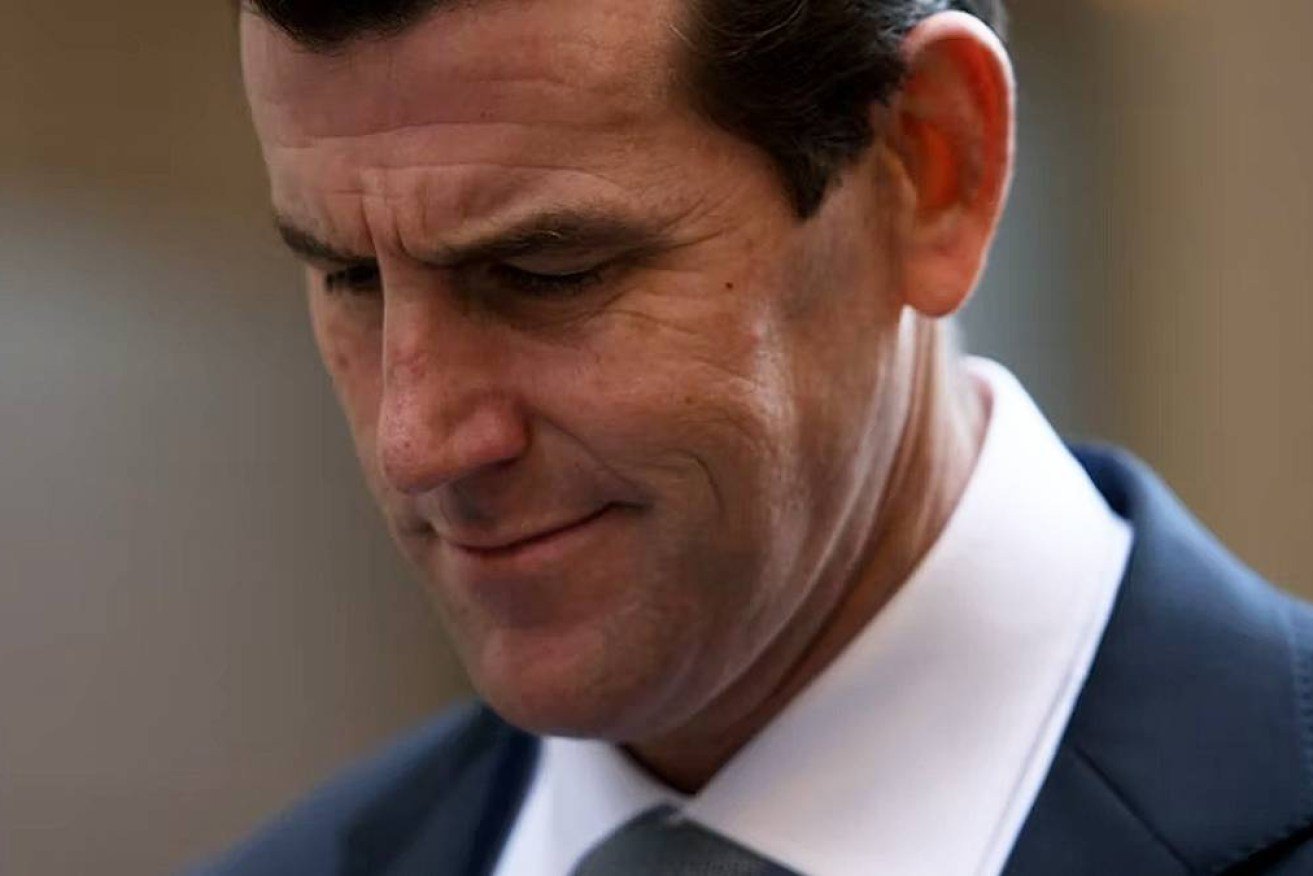
The matter has now moved to the criminal realm, with Roberts-Smith facing the very real possibility of a trial for alleged offences committed overseas in the theatre of war.
This is almost unprecedented in modern times, according to Australian Human Rights Commission former president Professor Gillian Triggs.




Triggs noted that Australia’s failed prosecutions of multiple alleged Nazi war criminals in the 1990s prompted authorities to be extremely cautious before launching criminal action. However, with two men now charged with alleged war crimes committed in Afghanistan, the floodgates of prosecutions might now be ready to open.
“These (trials) would… strengthen the willingness of justice department prosecutors to say, ‘We’ve got the evidence here and we’ll go forward with it’,” Triggs said.
Roberts-Smith’s case will be closely monitored internationally, with the decision to charge at home taking the matter out of the hands of war crimes prosecutors at the International Criminal Court.
However, before the case proceeds to any potential trial, Australian prosecutors will need to solve some complex legal problems. University of Queensland international law professor Rain Liivoja noted that the delay in bringing charges has created challenges in terms of collecting reliable evidence.
“The fact that the alleged crimes were committed overseas, and indeed in a location to which there is no easy access, makes the collection of evidence even more difficult,” Liivoja said.
Analysis: What This Means for Australia
The charges against Roberts-Smith have significant implications for Australia’s national security and law enforcement.
If convicted, it would be a major blow to the country’s military reputation and could have far-reaching consequences for the way Australia prosecutes war crimes.
The case also raises questions about the accountability of Australian soldiers serving overseas and the need for greater transparency and oversight in the military justice system.
Security analysts say that the case highlights the need for Australia to take a more proactive approach to investigating and prosecuting war crimes.
“This case shows that Australia is willing to take action against its own citizens who are accused of committing war crimes, even if it’s years after the fact,” said one analyst.
“It sends a strong message that we take these allegations seriously and will pursue justice, no matter how difficult it may be.”
Law enforcement insiders warn that the case could also have implications for the way Australia approaches counter-terrorism and national security.
“If Roberts-Smith is convicted, it could lead to a re-evaluation of our counter-terrorism strategies and the way we engage with our allies in the region,” said one insider.
As the case against Roberts-Smith continues to unfold, it is clear that the stakes are high not just for the accused, but for Australia as a whole.
The country’s reputation as a champion of human rights and the rule of law hangs in the balance, and the outcome of this case will be closely watched by the international community.