
Ex-School Teacher Who Sexually Abused Australian of the Year Grace Tame to Face ‘Special Hearing’ Over ‘Menacing’ Social Media Posts
- Nicolaas Ockert Bester, 61, was deemed unfit to stand trial in February over allegations of making menacing online posts directed at Grace Tame.
- A special hearing will go ahead in September to determine if Bester is not guilty of the offence, despite being deemed unfit to stand trial.
- Bester was sentenced to two-and-a-half years in jail in 2011 for sexually abusing Ms Tame and possessing child exploitation material when she was a 15-year-old student.
- The prosecution and defence are in contention regarding the admissibility of Bester’s police interview over the alleged menacing social media posts.
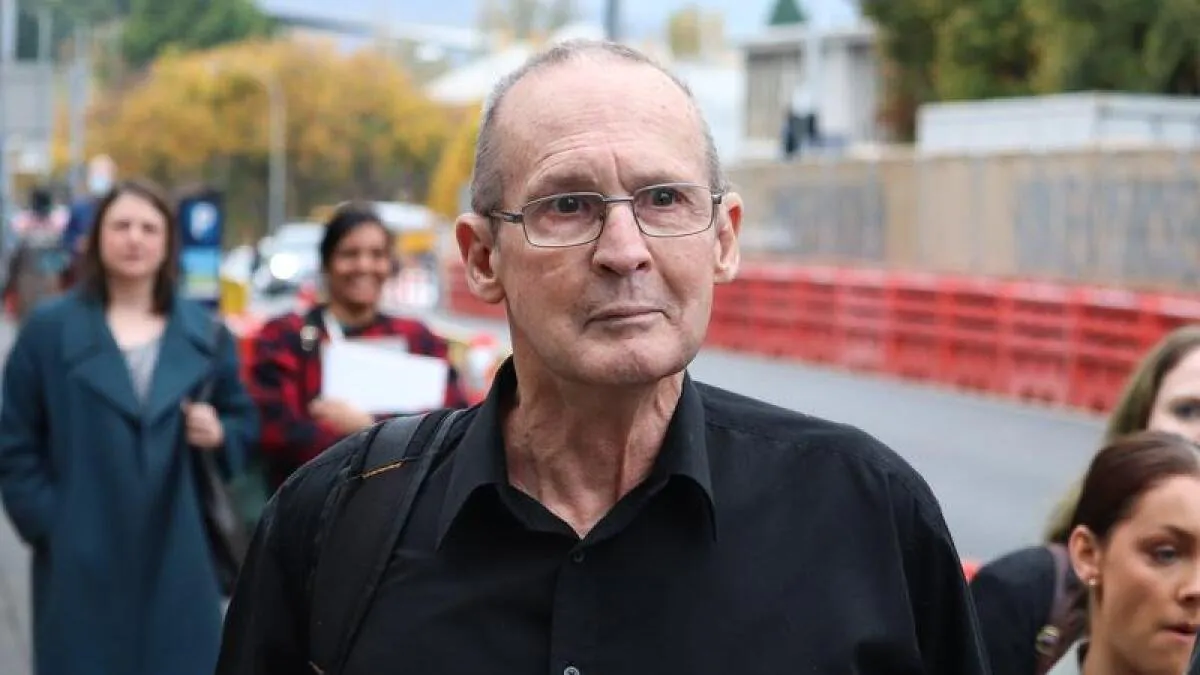
Nicolaas Ockert Bester, a former school teacher who was convicted of sexually abusing 2021 Australian of the Year Grace Tame, is set to face a ‘special hearing’ in September over allegations of making menacing social media posts directed at her.
Bester, 61, was deemed unfit to stand trial in February over three counts of using a carriage service to menace, harass or cause offence in 2022.
However, the court has allocated three days for a special hearing to determine if he is not guilty of the offence, despite being deemed unfit to stand trial.
The alleged menacing social media posts were made on Twitter, now X, in relation to and directed at Ms Tame, who Bester had previously sexually abused.
According to the prosecution, a reasonable person would regard the posts as being, in all circumstances, menacing.



Bester pleaded not guilty to all three charges in 2023, but his lawyer, Todd Kovacic, told the court that his client had vascular dementia, which led to him being deemed unfit to stand trial.
The special hearing, which is a unique provision under Tasmanian law, will determine whether Bester is not guilty of the offence, despite being deemed unfit to stand trial.
The court cannot find him guilty, but can rule that a finding of not guilty cannot be made.
According to the prosecution, if their facts are unchallenged, the court would only need one day for the hearing, but if the facts are contested, a three-day hearing would be required.
The prosecution and defence are currently in contention regarding the admissibility of Bester’s police interview over the alleged menacing social media posts.
Analysis: What This Means for Australia
The case highlights the complexities of dealing with individuals who are deemed unfit to stand trial, but are still alleged to have committed serious offences.
It also raises questions about the use of social media to menace or harass others, and the need for stronger laws and regulations to protect victims.
Security analysts say that the case demonstrates the importance of monitoring social media activity and taking swift action against individuals who use these platforms to threaten or harass others.
“The use of social media to menace or harass others is a serious issue that requires a strong response from law enforcement and the courts,” said one analyst.
Law enforcement insiders warn that the case highlights the need for greater resources and support for victims of online harassment and abuse.
“Victims of online harassment and abuse often feel isolated and vulnerable, and it’s essential that we provide them with the support and protection they need,” said one insider.
Industry observers believe that the case will have significant implications for the use of social media in Australia, and the need for greater regulation and oversight.
“The use of social media is becoming increasingly pervasive in Australian society, and it’s essential that we have strong laws and regulations in place to protect users and prevent abuse,” said one observer.
The case is also a reminder of the importance of protecting victims of sexual abuse and exploitation, and ensuring that perpetrators are held accountable for their actions.
“The case of Nicolaas Ockert Bester is a tragic reminder of the devastating impact of sexual abuse and exploitation on victims, and the need for strong laws and regulations to protect them,” said a spokesperson for a victims’ advocacy group.