Trump’s Iran Ceasefire: A Temporary Reprieve or a Step Towards Lasting Peace?
- A two-week “double-sided ceasefire” has been agreed upon between the US and Iran, mediated by Pakistan, amidst escalating tensions in the Middle East.
- The deal comes after a month of attacks on Iran by the US and Israel, and a series of missile and drone attacks by Iran on Israel and allied Gulf countries.
- Iran has accepted the deal, but emphasized that it does not signify the termination of the war, leaving the international community wondering if this is a genuine step towards peace.
- The agreement has significant implications for global oil supply, as the Strait of Hormuz, a critical waterway, has been reopened, with about 20% of global oil supply normally passing through it.
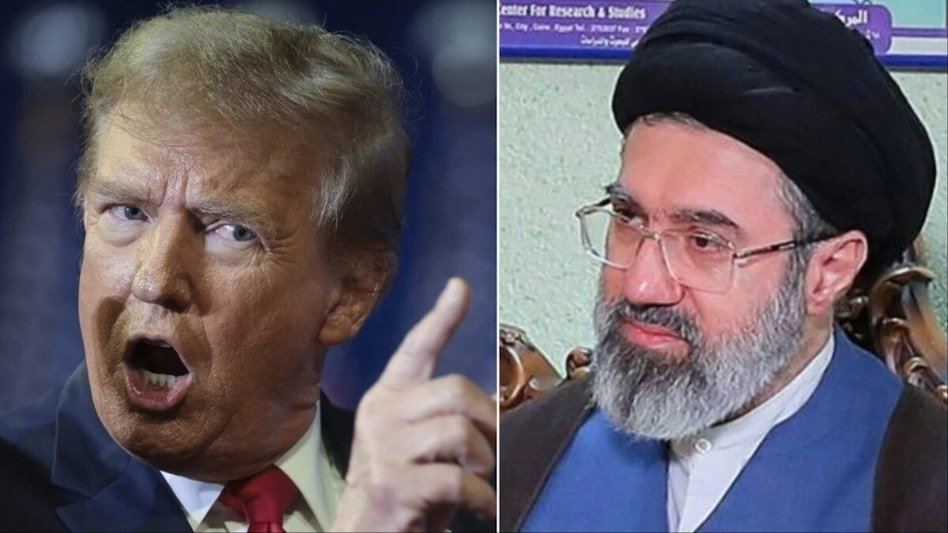
The world breathed a collective sigh of relief as US President Donald Trump announced a two-week ceasefire with Iran, bringing a temporary halt to the escalating tensions in the Middle East.
The deal, mediated by Pakistan, comes after a month of attacks on Iran by the US and Israel, and a series of missile and drone attacks by Iran on Israel and allied Gulf countries.
But as the international community welcomes this reprieve, many are left wondering if this is a genuine step towards lasting peace.
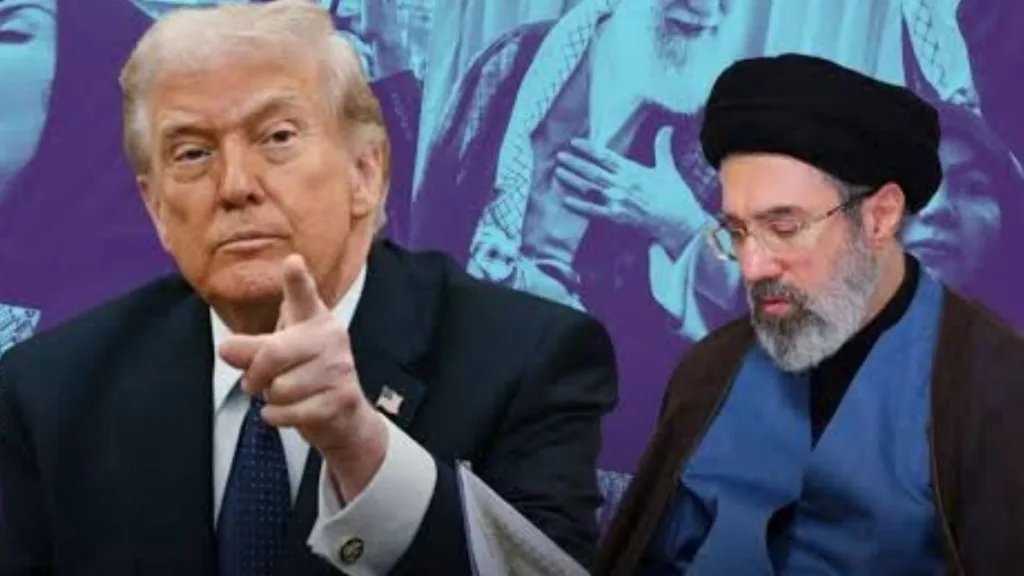
The agreement was reached after Trump set a deadline for Iran to open the Strait of Hormuz, a critical waterway that sees about 20% of global oil supply pass through it.
Failure to comply would have resulted in devastating consequences, with Trump threatening to destroy all power plants and bridges across Iran, a country with a population of 90 million people.
The deadline was marked by a series of tense exchanges, including a profanity-laden post from Trump on Easter Sunday demanding Iran open the strait.
However, just as the deadline was about to expire, Trump announced the bombing of Iran would be suspended for two weeks, pending Iran’s agreement to the complete, immediate, and safe opening of the Strait of Hormuz.
The move was seen as a significant concession, with Trump stating that a long-term peace deal was “very far along” and that the US had “already met and exceeded all military objectives” in Iran.
Iran, however, was quick to emphasize that the ceasefire did not signify the termination of the war.
The country’s Secretariat of the Supreme National Security Council released a statement outlining the key points of the agreement, including the approval of all items in a binding UN Security Council resolution.
The statement stressed that this would convert all agreements into binding international law, creating a major diplomatic victory for the Iranian nation.
Analysis: What This Means for Australia
The implications of this ceasefire are significant for Australia, particularly in terms of global oil supply. As a major importer of oil, Australia relies heavily on the stability of the Middle East to ensure a steady supply of crude.
The reopening of the Strait of Hormuz is a welcome development, but the fragility of the ceasefire and the ongoing tensions in the region mean that Australia must remain vigilant.
Security analysts say that the ceasefire is a positive step, but it is crucial to address the underlying issues that led to the conflict in the first place.
“The agreement is a temporary reprieve, but it does not address the root causes of the conflict,” said one analyst. “Until these issues are addressed, the region will remain volatile, and the threat of conflict will always be present.”
Law enforcement insiders warn that the ceasefire also raises concerns about the potential for terrorist groups to exploit the situation. “The ceasefire creates a power vacuum that could be exploited by extremist groups,” said one insider.
“It is essential that law enforcement agencies remain vigilant and work to prevent any potential threats.”
As the international community waits with bated breath to see if this ceasefire will lead to lasting peace, one thing is clear: the situation in the Middle East remains precarious, and the world must remain vigilant to prevent further conflict.