
War Hero Turned War Crimes Suspect: Ben Roberts-Smith Remains Behind Bars as Australia Grapples with the Dark Side of Its Military
- Victoria Cross recipient Ben Roberts-Smith, 47, faces five counts of murder related to his time in Afghanistan between 2009 and 2012.
- The former SAS soldier was arrested at Sydney Airport on Tuesday and spent the night in Silverwater jail.
- Prosecutors allege Mr Roberts-Smith shot unarmed civilians and ordered subordinates to kill Afghan nationals, claims he has long denied.
- The case has sparked a national conversation about Australia’s military and the country’s role in international conflicts.
The arrest of Ben Roberts-Smith, one of Australia’s most decorated war heroes, has sent shockwaves through the nation.
The 47-year-old Victoria Cross recipient is accused of war crimes, including the murder of unarmed Afghan nationals, during his time in Afghanistan between 2009 and 2012.
As he remains behind bars, the country is forced to confront the dark side of its military and the consequences of its actions on the global stage.
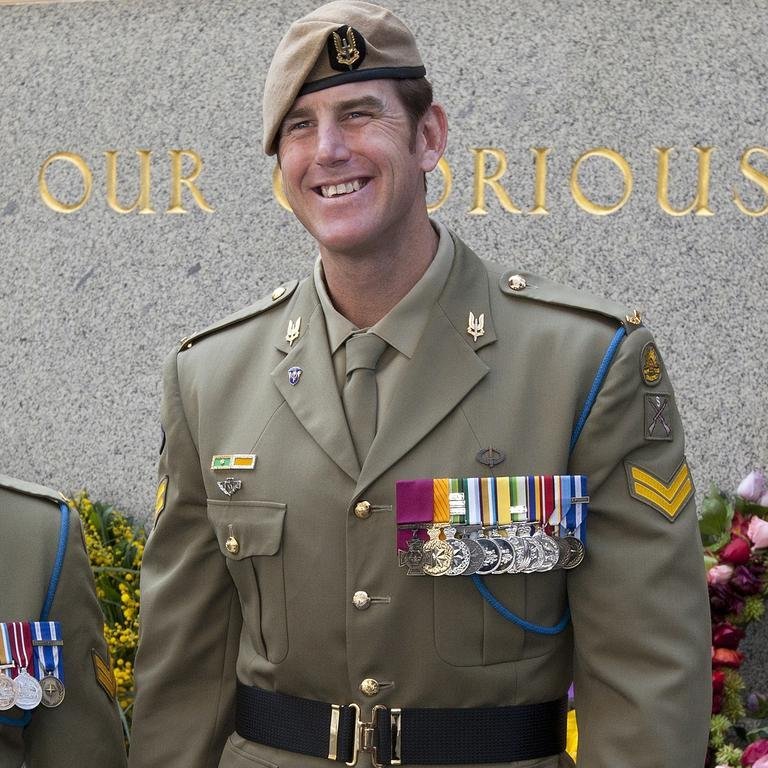
Mr Roberts-Smith’s arrest on Tuesday at Sydney Airport marked the culmination of a five-year investigation by the Australian Federal Police and the Office of the Special Investigator.
The former SAS soldier was charged with five counts of murder and is expected to face a bail review hearing on April 17.




His defence team made no application for bail during his first court hearing on Wednesday, with his lawyer, Jordan Portokalli, seeking an in-person listing for later in the day.
However, the request was described by Judge Lucas Swan as “a pipe dream”.
The allegations against Mr Roberts-Smith are grave and far-reaching. Prosecutors will allege that he shot unarmed civilians and ordered subordinates in the SAS Regiment to kill other Afghan nationals.
These claims have been vehemently denied by Mr Roberts-Smith since they first emerged in media reports in 2018. However, the evidence gathered during the investigation suggests a disturbing pattern of behaviour that has left many in Australia questioning the actions of its military.
As the case against Mr Roberts-Smith unfolds, it is clear that this is not just a matter of individual guilt or innocence. The allegations have sparked a national conversation about Australia’s military and the country’s role in international conflicts.
The case raises questions about the training and culture of the SAS Regiment, as well as the accountability of those in command. It also highlights the need for greater transparency and oversight in Australia’s military operations.
Analysis: What This Means for Australia
The case against Ben Roberts-Smith has significant implications for Australia’s national security and its international reputation. The allegations of war crimes undermine the country’s commitment to upholding human rights and the rule of law.
They also raise concerns about the potential for similar incidents to occur in the future, and the need for greater accountability and oversight in Australia’s military operations.
Law enforcement insiders warn that the case highlights the need for greater scrutiny of Australia’s military and its actions on the global stage. “This case is a wake-up call for Australia,” said one insider.
“It shows that we need to be more vigilant in ensuring that our military is operating in accordance with international law and human rights standards.”
Security analysts say that the case also has implications for Australia’s relationships with its allies and partners. “The allegations against Ben Roberts-Smith are a concern for Australia’s international reputation,” said one analyst.
“They raise questions about the country’s commitment to human rights and the rule of law, and could potentially damage its relationships with other countries.”
As the case against Ben Roberts-Smith continues to unfold, it is clear that this is a critical moment for Australia.
The country must confront the dark side of its military and take steps to ensure that its actions on the global stage are in line with its values and commitments.
The outcome of the case will have significant implications for Australia’s national security, its international reputation, and its relationships with its allies and partners.