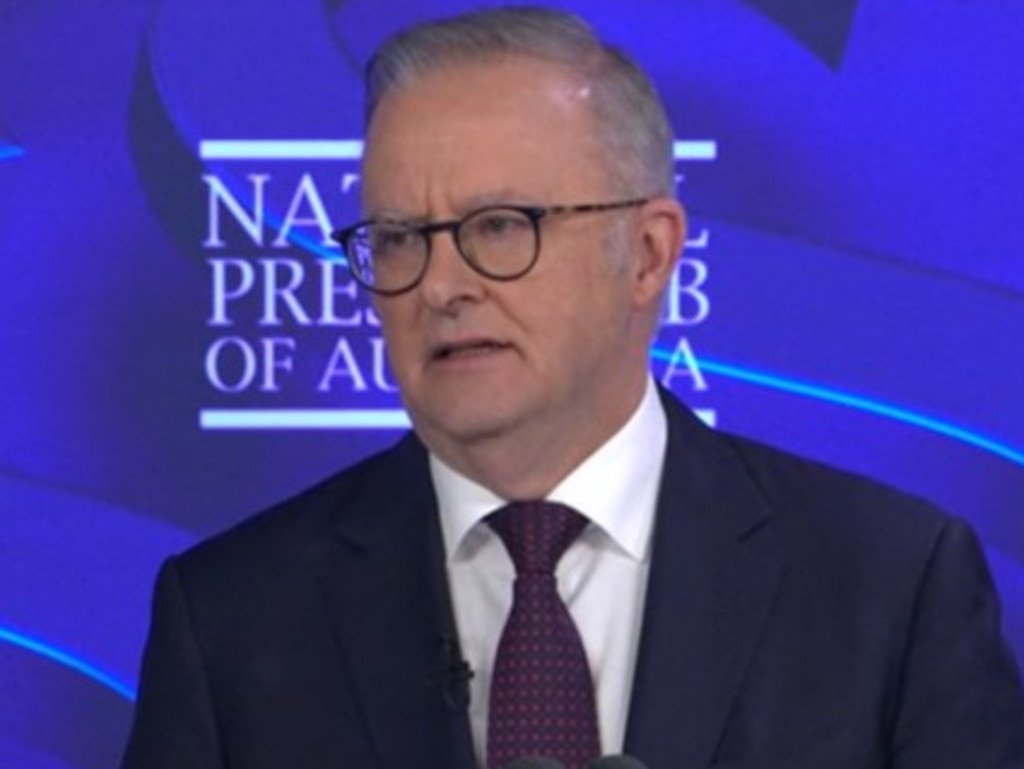
Desperate Measures: Albanese Strikes Deal to Bring in Emergency Fuel Supplies as Australia Teeters on Brink of Petrol Crisis
- Australia’s two largest fuel suppliers, Ampol and Viva Energy, will bring in additional fuel under an extraordinary deal with the government.
- The move comes as the country faces a severe petrol shortage, with hundreds of service stations running dry across the nation.
- Prime Minister Anthony Albanese has announced the deal, which will see the government direct the new fuel supplies to regional areas hardest hit by the shortage.
- Experts warn that the crisis is far from over, with the Strait of Hormuz still closed and disruptions to fuel supply expected to be long-lasting.
Australia’s fuel crisis has reached a boiling point, with the government scrambling to bring in emergency supplies to alleviate the shortage.
Prime Minister Anthony Albanese has announced a deal with the country’s two largest fuel suppliers, Ampol and Viva Energy, to bring in additional fuel under an extraordinary agreement.
The move comes as the country faces a severe petrol shortage, with hundreds of service stations running dry across the nation. The number of service stations without fuel fell on Thursday, but the situation remains dire, with many areas still struggling to access basic fuel supplies.
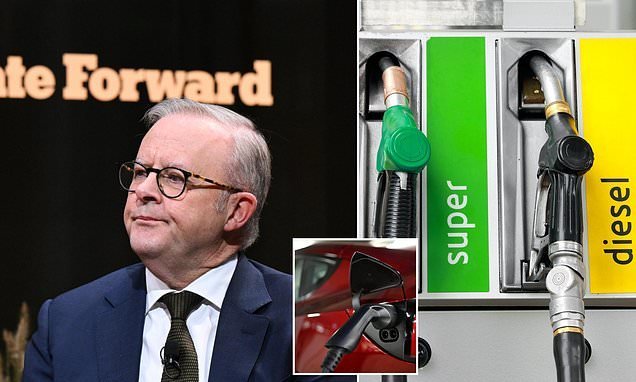
Mr Albanese announced the deal at the Ampol Lytton Refinery in Queensland, one of Australia’s two remaining refineries. “This has not been business as usual,” he said.
“Importantly, this is additional supply here in Australia that they will be able to source. And, as part of this agreement, of course, the government can direct where that supply goes.”


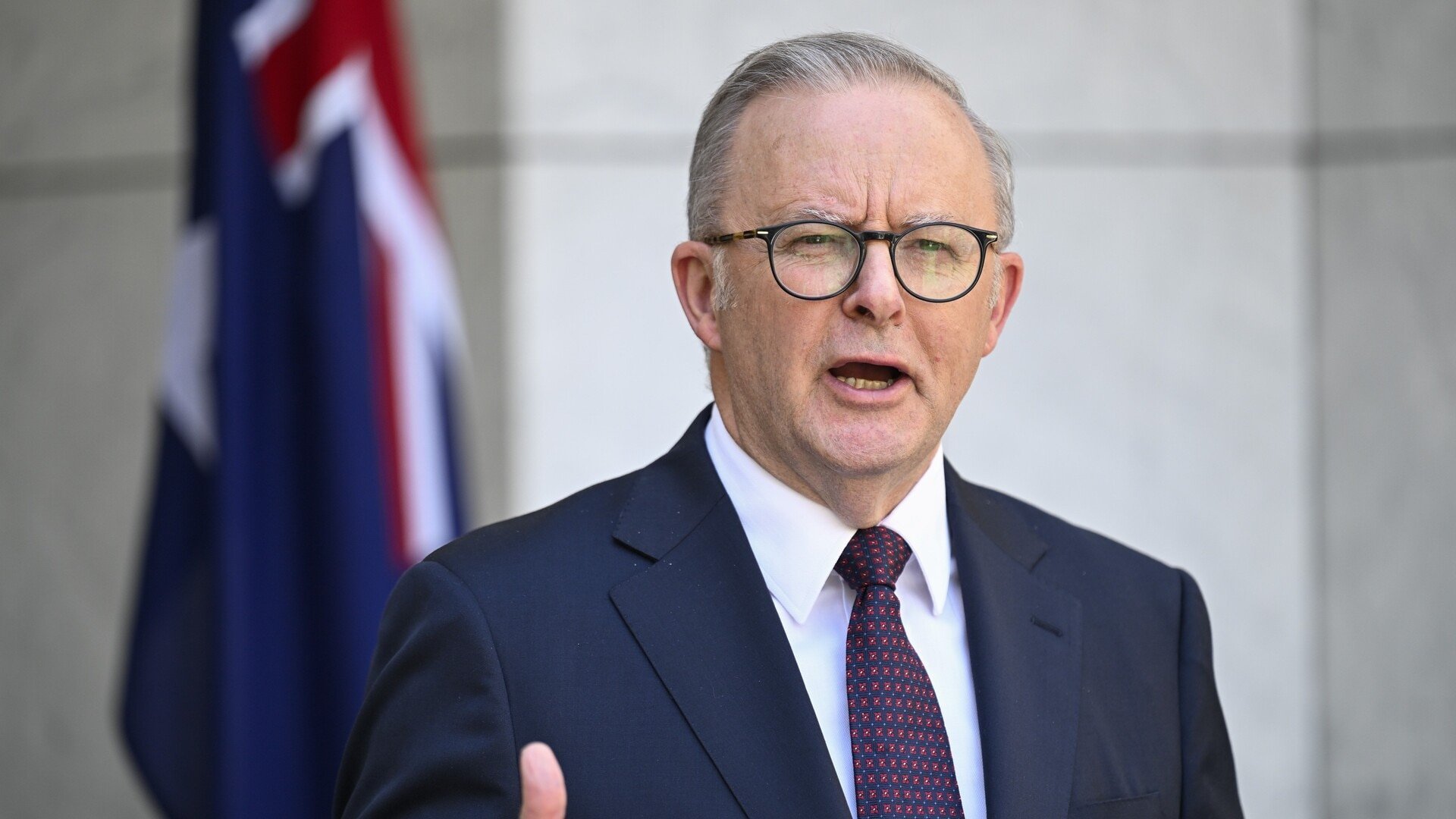

The deal is a desperate attempt to alleviate the shortage, which has been exacerbated by the closure of the Strait of Hormuz. The key shipping route has been closed for six weeks, driving up fuel prices across the globe.
Even if negotiations between the US and Iran cement the ceasefire, disruptions to fuel supply will be long-lasting.
Foreign Minister Penny Wong warned that the ceasefire is “fragile” and that disruptions to fuel supply will be long-lasting.
“Not only is the ceasefire fragile and it has to hold, even if we see a successful negotiation, we’ve still got a lot of disruption in the system,” she said.
The situation is a stark reminder of Australia’s vulnerability to global events. The country’s reliance on imported fuel has left it exposed to disruptions in the global supply chain.
The government’s deal with Ampol and Viva Energy is a short-term solution, but it highlights the need for a more sustainable and secure fuel supply chain.
Analysis: What This Means for Australia
The fuel crisis has significant implications for Australia’s national security, economy, and public safety.
The government’s decision to direct fuel supplies to regional areas hardest hit by the shortage is a recognition of the need to prioritize the most vulnerable communities.
However, the crisis also highlights the need for a more comprehensive and sustainable fuel strategy. Australia’s reliance on imported fuel has left it exposed to disruptions in the global supply chain.
The government must take a long-term view and invest in developing a more secure and sustainable fuel supply chain.
Security analysts say that the crisis has exposed the weaknesses in Australia’s fuel supply chain.
“The government’s deal with Ampol and Viva Energy is a short-term solution, but it highlights the need for a more sustainable and secure fuel supply chain,” said one analyst.
Industry observers believe that the crisis will have long-lasting consequences for Australia’s economy and public safety. “The fuel shortage has already had a significant impact on the economy, and it will take time to recover,” said one observer.
The government must take a proactive approach to addressing the crisis and developing a more sustainable and secure fuel supply chain. This includes investing in alternative energy sources, improving energy efficiency, and developing a more comprehensive and sustainable fuel strategy.