
‘War Hero or War Criminal?’: Australia’s Most Decorated Soldier Arrested for Alleged War Crimes as Divided Nation Takes Sides
- Australia’s most decorated living soldier, Ben Roberts-Smith, arrested on five counts of murder related to alleged unlawful killings of Afghan nationals
- Victoria Cross recipient to remain in custody until at least April 17 as nation grapples with implications of his alleged war crimes
- Divided public opinion sparks heated debate, with some calling for his release and others welcoming the arrest as a step towards accountability
- Support campaign for Roberts-Smith gains momentum, with high-profile backers including Gina Rinehart and Pauline Hanson
The dramatic arrest of Ben Roberts-Smith, Australia’s most decorated living soldier, has sent shockwaves across the nation, sparking a fierce debate about military accountability and the limits of patriotism.
As the Victoria Cross recipient faces five counts of murder related to alleged unlawful killings of Afghan nationals between 2009 and 2012, the country is grappling with the implications of his alleged war crimes.
Footage of the arrest shows Roberts-Smith being escorted off a Qantas plane by Australian Federal Police (AFP) officers at Sydney airport, a moment that has been described as both “highly anticipated” and “insane” by different sections of the community.
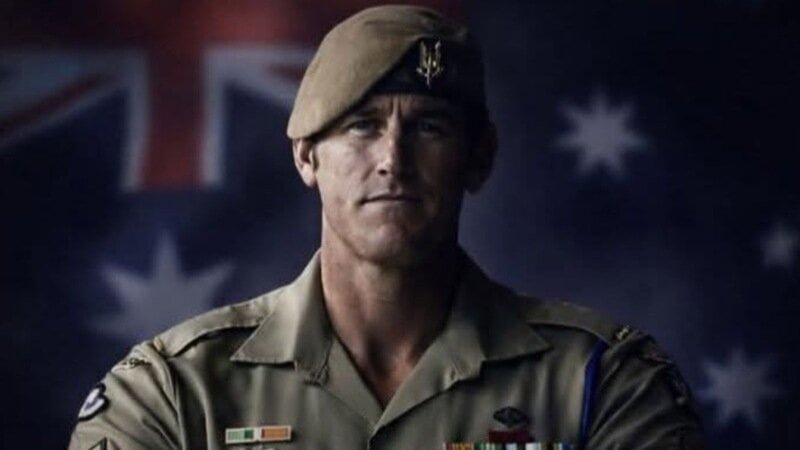
The arrest came after Roberts-Smith lost a landmark defamation battle, which found that a series of stories alleging war crimes relating to his deployment in Afghanistan were factual on the civil standard of balance of probability.
As the news of his arrest spread, a petition to “free Ben Roberts-Smith” gained more than 10,000 signatures, reflecting a deepening national divide on the issue.



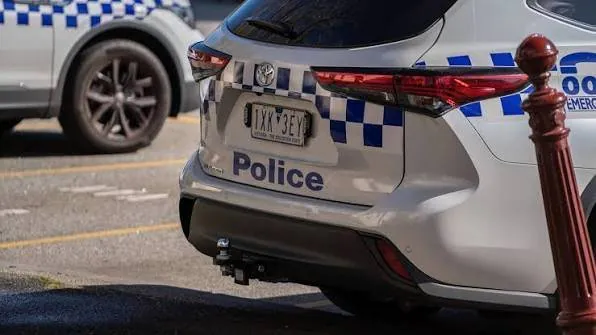
The petition, created by political activist Drew Pavlou, has been met with both support and criticism, with some arguing that it undermines the rule of law and others seeing it as a necessary step to defend a national hero.
The debate has also attracted international attention, with tech mogul Elon Musk commenting that Roberts-Smith’s prosecution “sounds insane”. Meanwhile, a support campaign for the former corporal seems to be growing, with high-profile backers including Gina Rinehart and Pauline Hanson.
For many, the arrest is a long-awaited step towards accountability for alleged war crimes committed by members of the Australian special forces in Afghanistan.
Executive Director at the Australian Centre for International Justice said that the arrest signified a “long-awaited step for victims and affected communities in seeking meaningful accountability for these serious accusations”.
However, others argue that the arrest is a betrayal of Australia’s military and sends mixed signals to its forces. One Nation candidate for Hunter, Stuart Bonds, said that he supports the opinion of his party leader, Pauline Hanson, who has defended Roberts-Smith.
“She’s met him and his family and she knows them intimately. If she’s backing him, I am too,” he told News.com.au.
Analysis: What This Means for Australia
The arrest of Ben Roberts-Smith has significant implications for Australia’s national security, law enforcement, and community cohesion.
As the country grapples with the allegations of war crimes, it must also confront the reality of its military’s actions in Afghanistan and the consequences of those actions.
The debate surrounding Roberts-Smith’s arrest highlights the need for a nuanced and informed discussion about military accountability and the limits of patriotism.
Security analysts say that the arrest is a necessary step towards ensuring that Australia’s military is held to the highest standards of accountability and that those who commit war crimes are brought to justice.
However, others argue that the arrest is a politically motivated move that undermines the morale of Australia’s military and sends mixed signals to its forces.
Law enforcement insiders warn that the arrest is a complex and sensitive issue that requires careful handling to ensure that justice is served.
They argue that the investigation and prosecution of alleged war crimes must be thorough and impartial, and that the rights of all parties involved must be respected.
Industry observers believe that the arrest is a wake-up call for Australia’s military and its government to take a closer look at their actions in Afghanistan and to ensure that they are complying with international humanitarian law.
They argue that the arrest highlights the need for greater transparency and accountability in Australia’s military and its operations overseas.