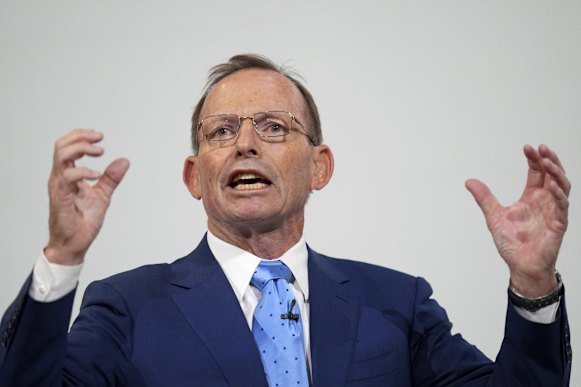
War Drums: Tony Abbott’s Shock Call for Australia to Join US in Iran Conflict Sparks Bitter Divide Among Politicians
- Tony Abbott’s explosive call for Australia to join the US in its war against Iran has sparked a fierce debate among politicians, with some backing the former PM’s stance and others slamming it as “not a serious contribution”.
- The federal government has knocked back Abbott’s suggestion, with Health Minister Mark Butler saying Australia has already provided “appropriate support” to the UAE, where thousands of Australian expats live.
- But Deputy Opposition Leader Jane Hume has criticised the government for unclear messaging, saying the Prime Minister has “prevaricated and equivocated” on whether to support the US in its endeavours.
- The debate has raised questions about Australia’s national security, its relationship with the US, and the potential consequences of getting involved in the conflict.
The drums of war are beating louder, and Tony Abbott is leading the charge.
The former prime minister’s call for Australia to join the US in its war against Iran has sparked a bitter divide among politicians, with some backing his stance and others slamming it as “not a serious contribution”.
Abbott’s comments, made on Sky News, have reignited the debate about Australia’s role in the conflict.
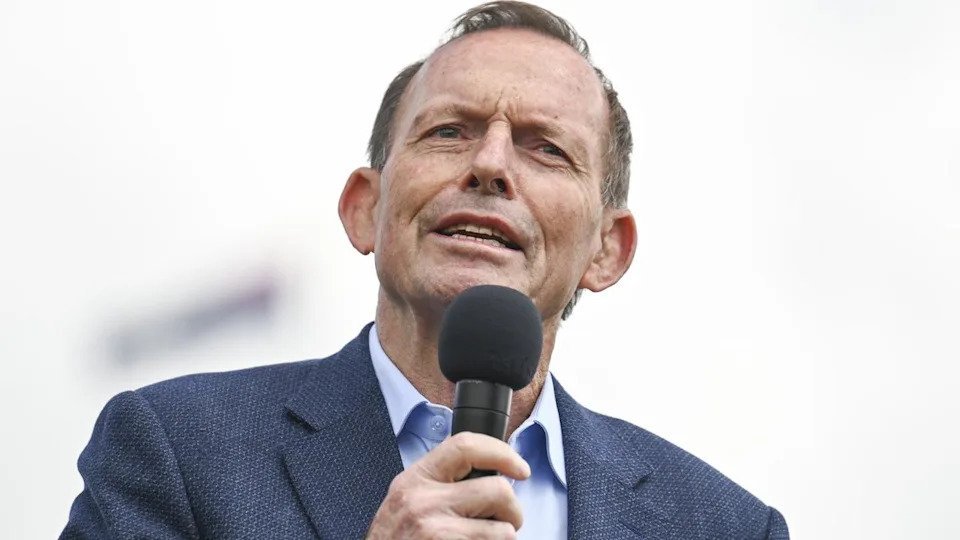
He argued that Australia risked being seen as a “weak country” for not joining the conflict and said it “wasn’t too late” for the government to contact the White House and offer support.
But the federal government has knocked back Abbott’s suggestion, with Health Minister Mark Butler saying Australia has already provided “appropriate support” to the UAE, where thousands of Australian expats live.



Butler emphasised that the conflict was “not a war of our making” and Australia was not consulted on it.
Deputy Opposition Leader Jane Hume has criticised the government for unclear messaging, saying the Prime Minister has “prevaricated and equivocated” on whether to support the US in its endeavours.
Hume backed Abbott’s commitment to defending Australian values but stopped short of explicitly supporting troop deployment, instead calling for an increase to defence spending.
The debate has raised questions about Australia’s national security, its relationship with the US, and the potential consequences of getting involved in the conflict.
Security analysts say that Australia’s decision to join the conflict could have significant implications for its relationships with other countries in the region, including China and Indonesia.
Law enforcement insiders warn that the conflict could also have implications for Australia’s domestic security, with the potential for increased terrorist activity and cyber attacks. Industry observers believe that the conflict could also have significant economic consequences, including increased oil prices and trade disruptions.
Analysis: What This Means for Australia
Australia’s decision to join the conflict could have significant implications for its national security and relationships with other countries in the region. The country’s commitment to defending its values and interests could be tested, and the potential consequences of getting involved in the conflict could be severe.
Security analysts say that Australia’s decision to join the conflict could lead to increased tensions with China and Indonesia, which could have significant implications for trade and economic relationships.
Law enforcement insiders warn that the conflict could also lead to increased terrorist activity and cyber attacks, which could have significant implications for domestic security.
Industry observers believe that the conflict could also have significant economic consequences, including increased oil prices and trade disruptions.
The potential consequences of getting involved in the conflict could be severe, and Australia’s decision to join the conflict could have significant implications for its national security and relationships with other countries in the region.
As the debate continues, one thing is clear: Australia’s decision to join the conflict could have significant implications for its national security, relationships with other countries in the region, and the potential consequences of getting involved in the conflict.