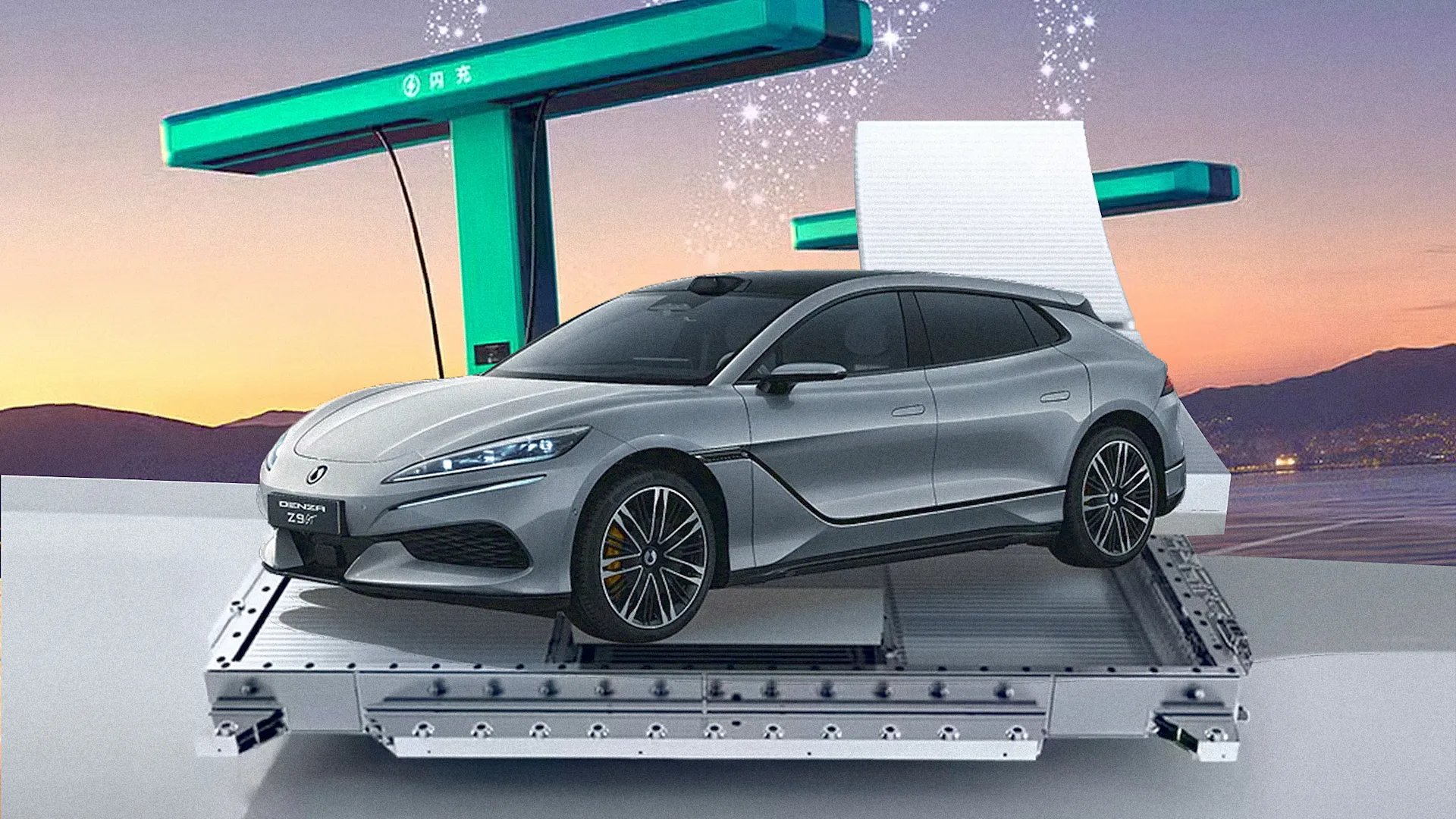
Revolutionary Electric Vehicle Charging Tech Set to Hit Australia, But at What Cost?
- Breakthrough “megawatt” Flash Charging stations can refill batteries in minutes, potentially killing off range anxiety for good.
- Chinese carmaker BYD’s rapid-charging capabilities have stunned viewers, with some models able to charge from 10% to 97% in just nine minutes.
- But the rollout of this technology comes with a hefty price tag, with estimates suggesting it could cost Australia up to $10.9 billion to build enough EV charging stations.
- As Australia grapples with soaring fuel prices and crumbling EV infrastructure, experts warn that the country is facing a widening infrastructure gap that must be addressed.
The Easter long weekend exposed the dark reality of Australia’s electric vehicle infrastructure, with drivers waiting hours to charge their vehicles at key charging points across regional Australia.
But a viral clip showing an EV charging in just minutes could be the breakthrough Aussie drivers have been waiting for.
Tesla owners were left stranded as 10 cars were reportedly waiting to use just three Superchargers in Cann River, Victoria.
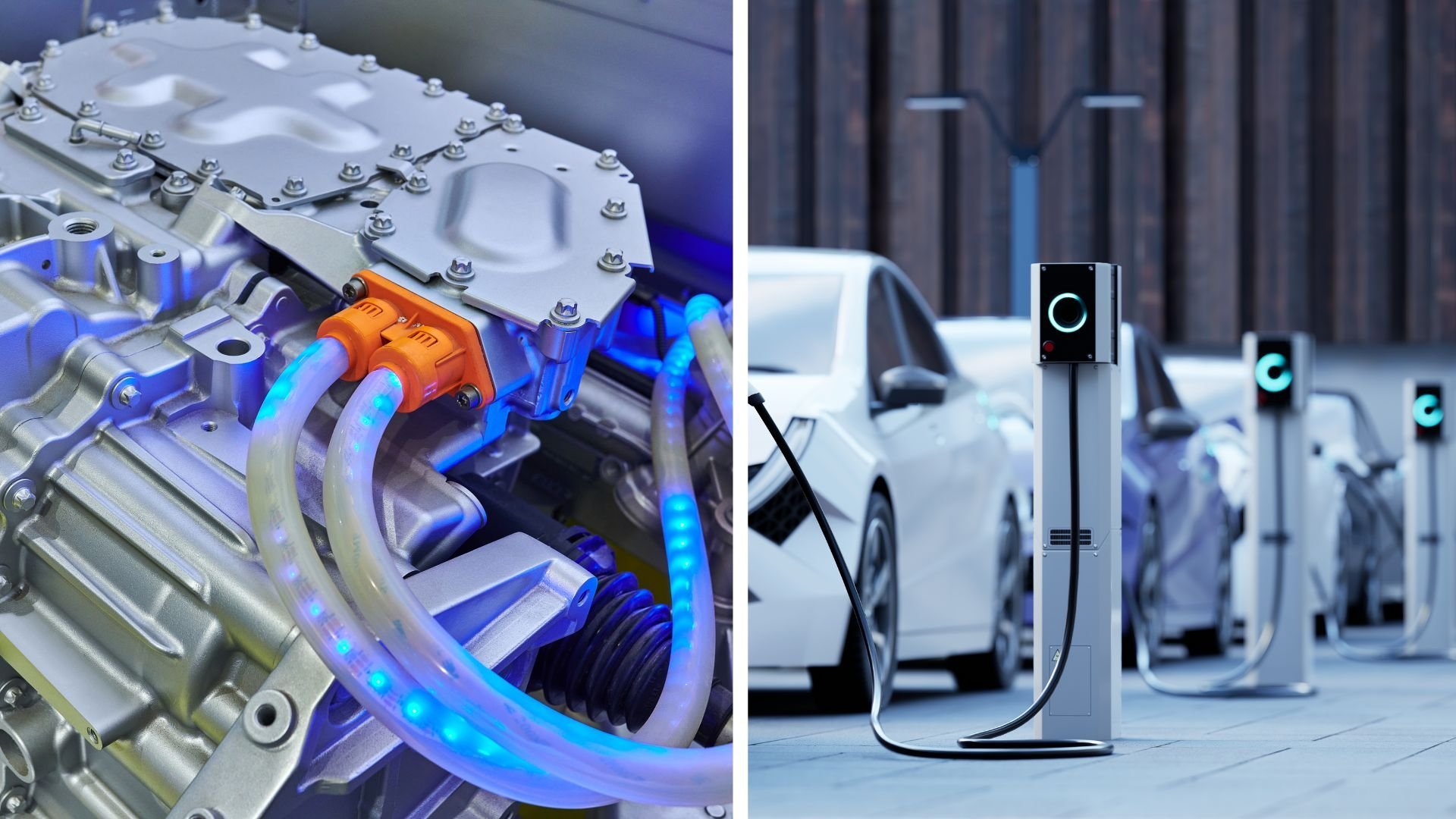
In another case, on the busy Albury-Wodonga corridor, a key route between Melbourne and Sydney, drivers were forced to line up at one of the country’s largest charging hubs, with wait times blowing out despite 16 high-speed charging stalls on site.
But overseas manufacturers are moving to kill off range anxiety for good. A recent video trending on Reddit has stunned viewers by showcasing BYD’s rapid-charging capabilities.



The clip shows a vehicle using a “megawatt” Flash Charging station, with the infotainment screen tracking a lightning-fast battery top-up.
“This tech is potentially a game changer for the demographic that would benefit the most from having an EV, big city dwellers,” one Reddit user said.
While the technology is currently in testing, the wait for Australians might be shorter than expected.
Denza, BYD’s luxury arm, has confirmed the Z9GT will arrive in Australia in Q3 2026. It features Blade Battery 2.0 technology, capable of charging from 10% to 97% in roughly nine minutes.
To put that into perspective, it takes a Tesla using a Supercharger to charge from 20% to 80% in around 20 to 30 minutes.
But the rollout of this technology comes with a hefty price tag. In the US, an eight-stall Tesla Supercharger site can cost close to US$1 million to build – that’s roughly A$1.4 million.
If Australia builds around 7,800 EV charging stations, the same number as petrol stations currently operating across the nation, it would cost roughly $10.9 billion.
Analysis: What This Means for Australia
The widening infrastructure gap in Australia’s EV network is a major concern for the country’s transition to electric vehicles. As the demand for EVs continues to grow, the need for reliable and efficient charging infrastructure becomes increasingly urgent.
Security analysts say that the lack of investment in EV infrastructure poses a significant risk to Australia’s national security, as the country becomes increasingly reliant on imported oil.
“The vulnerability of our fuel supply chain is a major concern, and the transition to EVs is critical to reducing our reliance on imported oil,” one analyst said.
Law enforcement insiders warn that the lack of EV charging infrastructure also poses a risk to public safety, as drivers are forced to wait for extended periods to charge their vehicles.
“The risk of accidents and crimes of opportunity increases when drivers are forced to wait for extended periods in isolated areas,” one insider said.
Industry observers believe that the rollout of rapid-charging technology could be a game-changer for the EV industry in Australia.
“The ability to charge an EV in minutes rather than hours will be a major selling point for consumers, and will help to alleviate range anxiety,” one observer said.
However, the cost of building out the necessary infrastructure is a major concern. “The cost of building out the EV charging network will be significant, but it is a necessary investment in Australia’s future,” one expert said.
As the Australian government grapples with the challenge of building out the country’s EV infrastructure, it is clear that the transition to electric vehicles will require significant investment and planning.
But with the potential benefits to national security, public safety, and the environment, it is an investment that is well worth making.