Fuel Crisis Looms as Iran War Chokes Global Supply: Australia’s Economy Teeters on Brink of Disaster
- Iran’s Strait of Hormuz blockade sparks fears of prolonged fuel shortages and economic chaos in Australia
- Experts warn of inflation surge, potential recession, and widespread job losses as fuel prices skyrocket
- Prime Minister Anthony Albanese’s visit to Singapore fails to ease concerns as regional fuel supplies dwindle
- Australia’s construction industry sounds alarm over “mass lay-offs” due to surging diesel costs and material shortages
The mood in Canberra is grim as the nation teeters on the brink of a fuel crisis. Behind the scenes, politicians and economists are bracing for the worst as Iran’s Strait of Hormuz blockade chokes global fuel supplies.
The situation is dire, with experts warning of an inflation surge, potential recession, and widespread job losses.
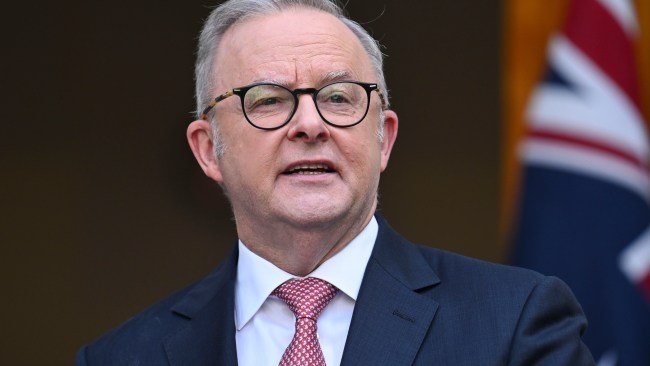
The federal government’s attempts to downplay the crisis have done little to ease concerns. Prime Minister Anthony Albanese’s visit to Singapore, touted as a demonstration of proactive competence in securing liquid fuels, has failed to deliver the desired reassurance.

Regional fuel supplies are dwindling, and Australia’s economy is teetering on the edge of disaster.
The numbers are stark.


Economist Warren Hogan predicts consumer prices will gallop up at an annualized pace of nearly 10 percent in the June quarter, with official year-on-year inflation potentially reaching as high as 6 percent over the next six months.
This is more than double the top end of the Reserve Bank’s target range, and it spells disaster for Australian households and businesses.
The construction industry is already sounding alarm bells over the threat of “mass lay-offs” caused by surging costs for diesel and materials. People are “shit-scared,” according to one Canberra-based financial adviser, and it’s not hard to see why.
The crisis is unfolding with alarming speed, and the government’s reluctance to publicly countenance the possibility of recession-like conditions is only adding to the sense of unease.
Analysis: What This Means for Australia
The fuel crisis has far-reaching implications for Australia’s economy and national security. The government’s ability to manage the crisis will be severely tested, and the consequences of failure could be catastrophic.
As one expert noted, “If the ceasefire fails, the US might face the bleak choice between some sort of risky ground invasion exposing American lives and hardware, or accept that the Iranians can take a clip of every barrel of oil into the future.”
This would have devastating consequences for Australia, which relies heavily on imported fuel. The nation’s economy would be severely impacted, and the government’s ability to respond would be severely constrained.
As the crisis deepens, the need for effective leadership and decisive action becomes increasingly urgent.
Security analysts say that the crisis highlights the need for Australia to diversify its fuel supplies and reduce its reliance on imported oil. This would require significant investment in domestic energy production, as well as the development of alternative energy sources.
However, this is a long-term solution, and the immediate crisis requires immediate action.
Law enforcement insiders warn that the crisis could also have significant implications for public safety. As fuel prices skyrocket, the risk of civil unrest and social disorder increases.
The government must take steps to address these concerns and ensure that the rule of law is maintained.
Industry observers believe that the crisis will also have significant economic consequences. As fuel prices rise, businesses will be forced to pass on the costs to consumers, leading to higher prices and reduced economic activity.
This could have a devastating impact on Australian households, which are already struggling to make ends meet.
In conclusion, the fuel crisis has significant implications for Australia’s economy, national security, and public safety. The government must take immediate action to address the crisis and ensure that the nation is prepared for the challenges ahead.