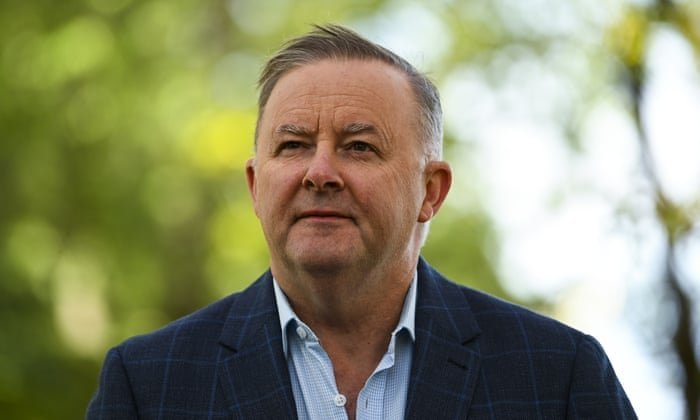
Fuel Crisis Looms: Albanese’s 2020 Warning Comes Back to Haunt Him as Australia’s Fuel Reserves Dwindle to Just 38 Days
- Anthony Albanese’s 2020 warning of a fuel crisis sparked by a military conflict has resurfaced, putting the Prime Minister under fire
- Australia’s fuel reserves have dwindled to just 38 days, despite Albanese’s calls for a 90-day reserve
- Energy Minister Chris Bowen confirms the country’s fuel stockpiles are at a critically low level, with just 31 days’ worth of diesel and 28 days’ worth of jet fuel
- The government is scrambling to address the crisis, with 57 tankers en route to Australia carrying fuel, but experts warn of a “long tail” to the crisis
The Prime Minister’s bold prediction of a fuel crisis in Australia has come back to haunt him, as the country’s fuel reserves have dwindled to just 38 days.
In a 2020 TV interview, Albanese warned that Australia’s lack of fuel reserves made it vulnerable to a crisis sparked by a military conflict.
Now, half a decade later, the country is facing a fuel crisis, with Energy Minister Chris Bowen confirming that Australia’s fuel stockpiles are at a critically low level.
The government has been scrambling to address the crisis, with 57 tankers en route to Australia carrying fuel. However, experts warn that the crisis will have a “long tail,” with prices expected to remain high for some time.
The Opposition has seized on the issue, accusing the government of failing to act on Albanese’s warnings and leaving the country vulnerable to a crisis.
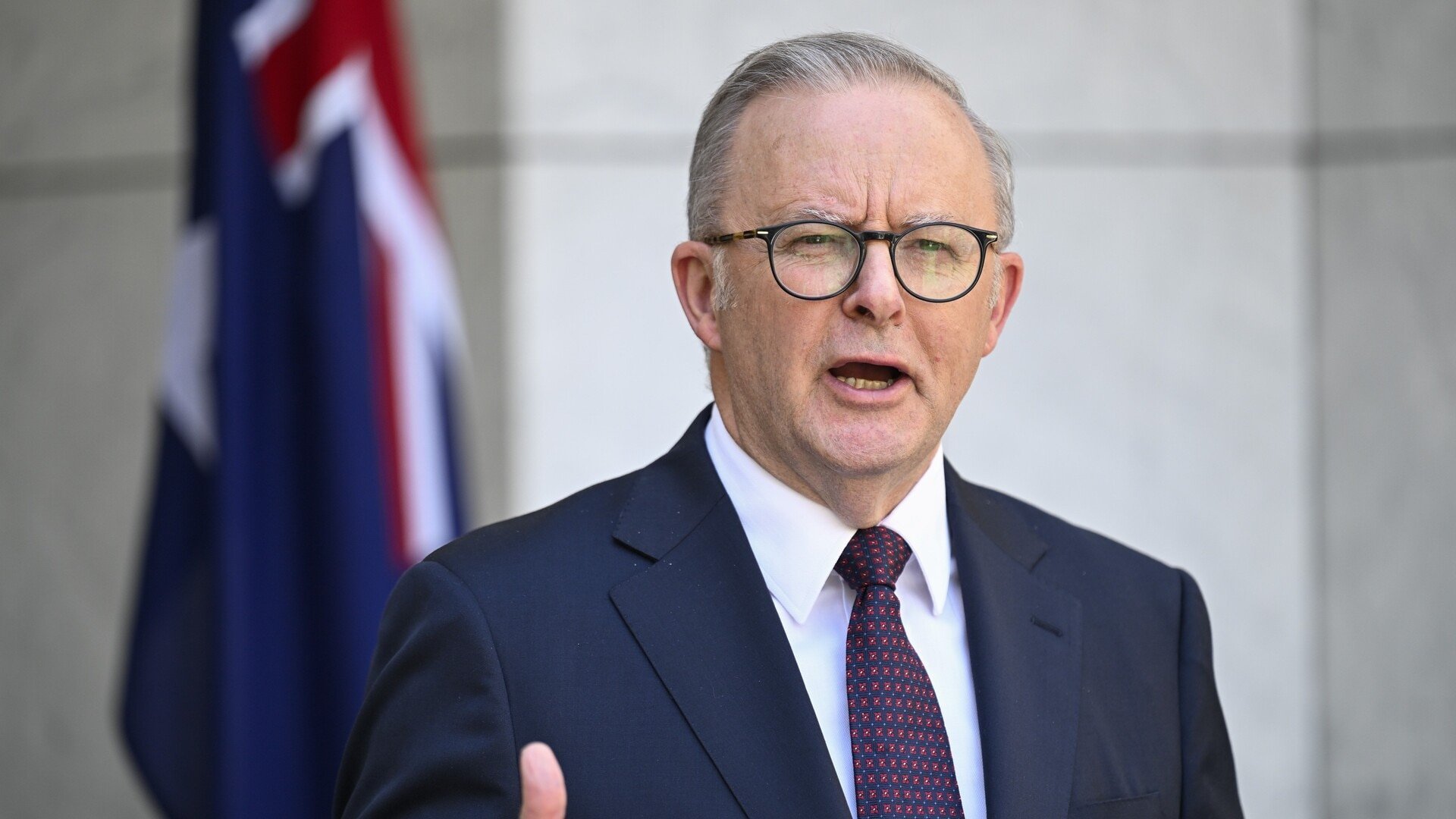
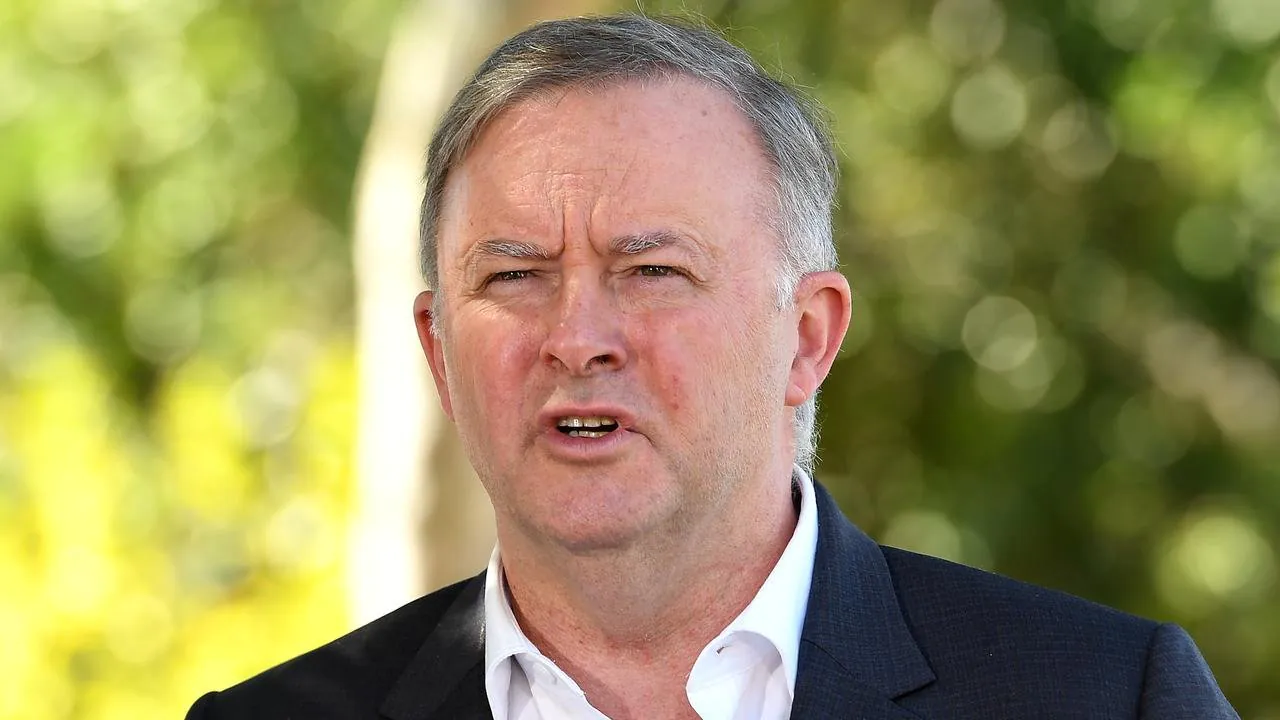
Albanese’s 2020 interview has resurfaced, in which he raged against government inaction and called for a 90-day fuel reserve.
“The point of our international obligations is that Australia should have here 90 days available of liquid fuel reserves, so we are significantly in breach,” he said.
“We shouldn’t be dependent upon circumstances which are beyond our control, as you say, terms of any particular international incident, be it military conflict or other issues, will mean that we run out of fuel.”
The Prime Minister has denied that he failed to act on his own warnings, pointing to the government’s efforts to increase fuel security. “We have the largest reserves in 15 years,” he said.
“We’ve made sure on our watch no refineries are shut. The two, we’ve made sure that they’re secure going forward as well.”
However, the government’s claims have been met with skepticism by the Opposition, which has accused the government of failing to address the root causes of the crisis.
“The government’s response to the fuel crisis has been woefully inadequate,” said a spokesperson for the Opposition. “They have failed to take decisive action to address the crisis, and now the country is paying the price.”
Analysis: What This Means for Australia
The fuel crisis has significant implications for Australia’s national security and economy. The country’s lack of fuel reserves makes it vulnerable to a crisis sparked by a military conflict or other international incident.
The government’s failure to act on Albanese’s warnings has left the country exposed to a crisis, which could have serious consequences for the economy and national security.
Security analysts say that the fuel crisis highlights the need for Australia to increase its fuel security and reduce its reliance on imported fuel. “Australia’s lack of fuel reserves is a significant vulnerability,” said one analyst.
“The government needs to take decisive action to address the crisis and ensure that the country is prepared for any future disruptions to the fuel supply.”
Industry observers believe that the fuel crisis will have a long-term impact on the economy, with prices expected to remain high for some time. “The fuel crisis is a wake-up call for Australia,” said one observer.
“The country needs to take a long-term view and invest in its fuel security to avoid similar crises in the future.”
As the government scrambles to address the crisis, voters are left wondering why the country was not better prepared. “I think most Australians understand that there is a war on,” said Energy Minister Chris Bowen.
“But that doesn’t excuse the government’s failure to act on the warnings. The government needs to take responsibility for its actions and ensure that the country is prepared for any future crises.”