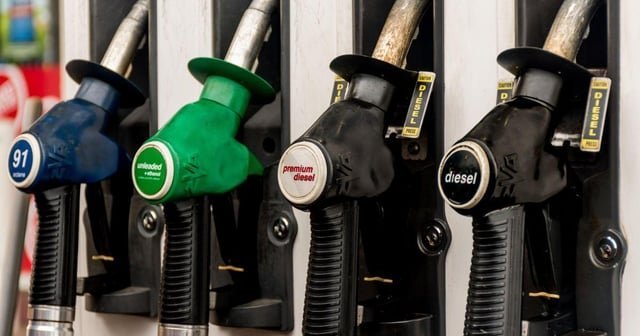
Diesel Prices Soar: The Hidden Threat to Australia’s Economy and National Security
- Diesel prices surge past $3 a litre despite government measures to cut fuel tax excise
- Experts warn of devastating impact on inflation, road transport operators, and the broader economy
- Diesel prices pose a bigger problem than petrol, with 90% of everyday goods transported by road using diesel-powered vehicles
- Government and industry insiders call for urgent action to address the crisis, warning of empty supermarket shelves and a standstill in transport
The price of diesel has skyrocketed to alarming levels, defying government attempts to curb the cost of fuel.
Despite a cut in the fuel tax excise, the average price of diesel has surged past $3 a litre, sparking warnings of a devastating impact on inflation, road transport operators, and the broader economy.
At the heart of the crisis is the war in the Middle East, which has restricted access to global fuel supplies and pushed up the cost of diesel.
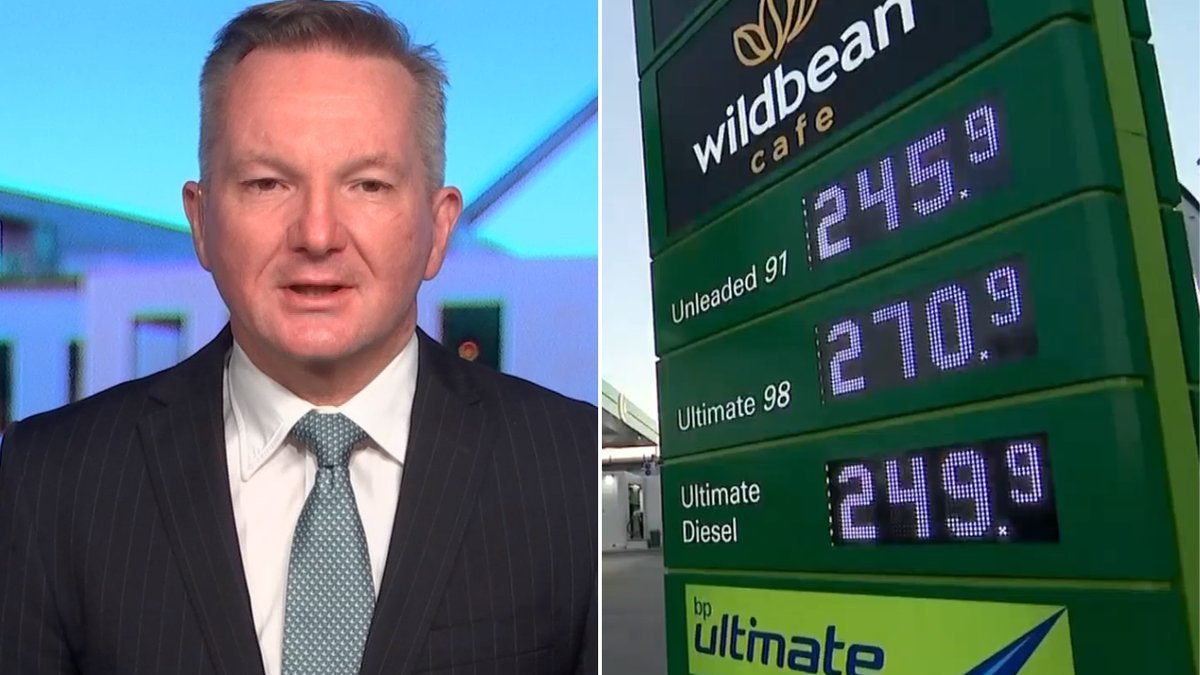
Unlike petrol, which is used mainly by households, diesel is the lifeblood of the transport industry, powering 90% of everyday goods that are transported by road.
This means that the soaring cost of diesel has far-reaching consequences for the economy, with experts warning of a huge inflationary impact on groceries, transportation, and other essential goods.



Industry advocates are crying foul, accusing major fuel suppliers of anti-competitive conduct and calling for urgent action to address the crisis. The Transport Workers’ Union has warned that many trucking companies are at breaking point, with some facing the very real prospect of closure.
“Those at the very top of supply chains, those reaping the economic benefit, are the major retailers, manufacturers, and miners,” says Michael Kaine, the union’s national secretary.
“What they do is, they essentially impose whatever they want in contract terms and conditions on the industry.”
Experts say that the government’s decision to cut the fuel tax excise was a step in the right direction, but it did not go far enough.
“I would have expected the government to cut the fuel excise on diesel a lot more than what they did with petrol, because diesel is a big problem,” says Lurion De Mello, an economist at Macquarie University.
“Diesel is going to have a huge inflationary impact on our groceries, transportation, and things that we import from overseas.”
Analysis: What This Means for Australia
The soaring cost of diesel poses a significant threat to Australia’s economy and national security. With 90% of everyday goods transported by road using diesel-powered vehicles, the impact of the crisis will be felt across the country.
The government and industry insiders are warning of empty supermarket shelves, a standstill in transport, and a devastating impact on inflation. The crisis also highlights the need for Australia to diversify its fuel supplies and reduce its reliance on imported oil.
Security analysts say that the crisis has significant national security implications, with the potential to disrupt the supply chain and impact the country’s economic welfare.
“There is no doubt whatsoever that making sure we have availability of fuel is absolutely critical for not just our energy security, but our economic welfare and, frankly, for our national security,” says energy analyst Saul Kavonic.
Industry observers believe that the government needs to take urgent action to address the crisis, including increasing the fuel tax excise cut for diesel and providing support to road transport operators.
“If we don’t get that right, we’re going to see our supermarket shelves empty, we’re going to see medical supplies slow down, we’ll see the wheels of transport come to a standstill and of course that is not what we need in our community,” says Michael Kaine.
As the crisis deepens, one thing is clear: the soaring cost of diesel poses a significant threat to Australia’s economy and national security.
The government and industry insiders must work together to address the crisis and ensure that the country’s transport industry can continue to operate safely and efficiently.