Fuel Crisis Deepens: Government Launches $20 Million Ad Blitz as Petrol Supplies Dwindle to Just 38 Days
- Australians are being urged to cut down on fuel consumption as the country teeters on the brink of a fuel crisis, with just 38 days of petrol supplies remaining.
- A $20 million advertising campaign has been launched, with critics slamming the move as a “waste of taxpayer money” and a “Band-Aid solution”.
- The government has reduced fuel excise and temporarily amended fuel quality standards, but opposition parties say it’s not enough to address the crisis.
- Prime Minister Anthony Albanese is flying to Brunei and Malaysia to secure fuel and fertiliser supplies, as the country’s fuel rationing plan is revealed.
The Australian government has launched a multi-million-dollar advertising campaign, dubbed “Every little bit helps”, in a bid to reduce fuel consumption and alleviate the country’s deepening fuel crisis.
With just 38 days of petrol supplies remaining, the campaign is urging Australians to take action and reduce their fuel usage.
But critics have slammed the move, saying it’s a “waste of taxpayer money” and a “Band-Aid solution” that fails to address the root causes of the crisis.
The campaign, which will see ads appear on television, radio, and billboards, is part of the government’s National Fuel Security Plan, which is currently at level two – “keeping Australia moving”.
But with fuel supplies dwindling rapidly, there are fears that the country could soon reach level four, which would see the government intervene to ensure critical fuel users are protected and prevent major economic disruption.
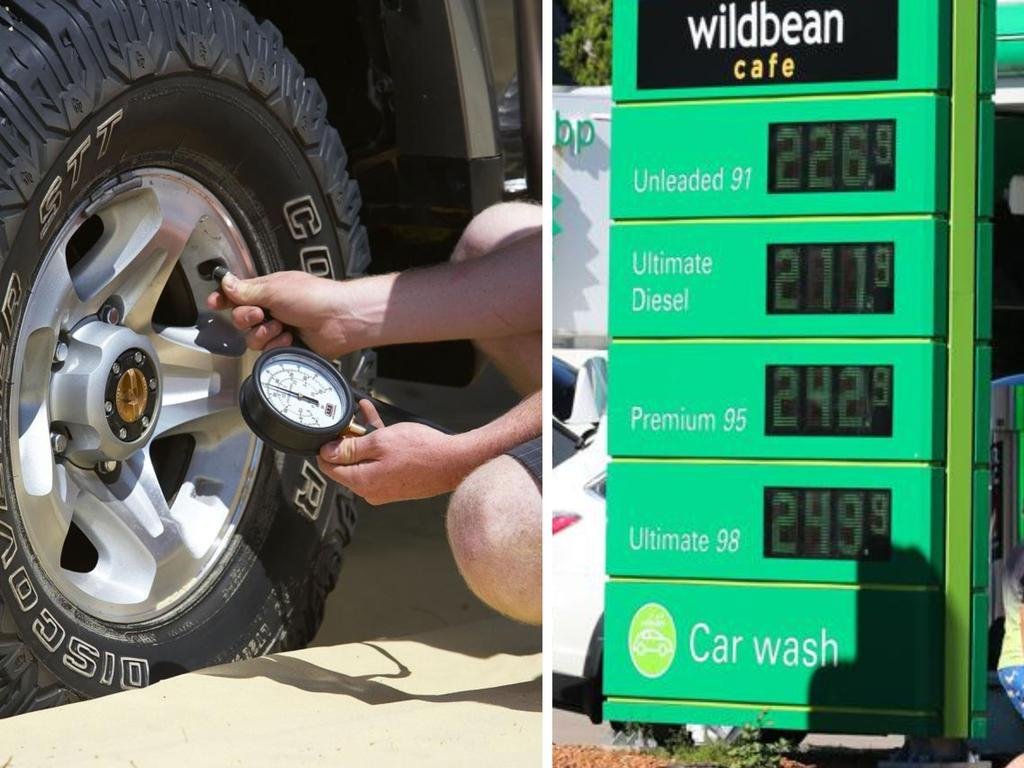



The government has taken several measures to address the crisis, including reducing fuel excise and temporarily amending fuel quality standards. But opposition parties say these measures are not enough, and that the government needs to do more to secure fuel supplies and prevent a crisis.
“Frankly, I don’t think Australians want to be lectured by taxpayer-funded political propaganda about driving less,” said shadow defence minister James Paterson. “They want a government that does its job and makes sure that we are supplied with the refined fuel that we need.”
As the crisis deepens, the government has revealed its fuel rationing plan, which would limit motorists to a set dollar amount of fuel per transaction. The plan, which is outlined in the Liquid Fuel Emergency Act, has been updated in 2019 to include provisions for rationing.
But the government has ruled out fuel rationing for now, saying it’s not necessary.
Prime Minister Anthony Albanese is flying to Brunei and Malaysia this week in a bid to shore up the supply of fuel and fertiliser into Australia.
The trip is seen as a desperate attempt to secure supplies and prevent a crisis, but critics say it’s too little, too late. “The government should have acted sooner to address the fuel crisis,” said one opposition MP.
“Now, it’s a case of too little, too late.”
Analysis: What This Means for Australia
The fuel crisis has significant implications for Australia’s national security, economy, and public safety. With fuel supplies dwindling rapidly, there are fears that the country could soon face widespread disruptions to critical services, including healthcare, emergency services, and transportation.
The government’s failure to address the crisis has also raised concerns about its ability to respond to future crises.
Security analysts say that the fuel crisis highlights the need for Australia to diversify its energy sources and reduce its reliance on imported fuels. “The government needs to take a long-term approach to addressing the fuel crisis,” said one analyst.
“This includes investing in renewable energy sources, improving energy efficiency, and developing a more sustainable transport system.”
Law enforcement insiders warn that the fuel crisis could also have significant implications for public safety, particularly in rural and regional areas where fuel supplies are already scarce.
“The government needs to take steps to ensure that critical services, including police and emergency services, have access to fuel,” said one insider. “Otherwise, we could see a breakdown in law and order.”
Industry observers believe that the fuel crisis could also have significant economic implications, particularly for businesses that rely on fuel to operate. “The government needs to take steps to support businesses affected by the fuel crisis,” said one observer.
“This includes providing financial assistance, improving fuel efficiency, and developing alternative energy sources.”
As the fuel crisis deepens, Australians are being urged to take action and reduce their fuel usage. But critics say that the government needs to do more to address the root causes of the crisis and prevent a disaster.
With fuel supplies dwindling rapidly, it’s a case of wait and see what happens next.