Mysterious Discovery of Dismembered Saltwater Crocodile Sparks Investigation into Illicit Wildlife Trade in South Australia
- A dismembered saltwater crocodile was found dumped on the side of a road in Adelaide’s north, sparking a government investigation into the illicit wildlife trade.
- The shocking discovery was made by a father and son during a driving lesson, with the crocodile’s remains found in a cardboard box among rubbish and children’s paints.
- Experts warn that the presence of a saltwater crocodile in South Australia, where they are not native, raises concerns about the state’s vulnerability to wildlife trafficking.
- The investigation has sparked calls for greater scrutiny of the exotic animal trade in Australia, with fears that the country’s strict laws may not be enough to prevent illicit activity.
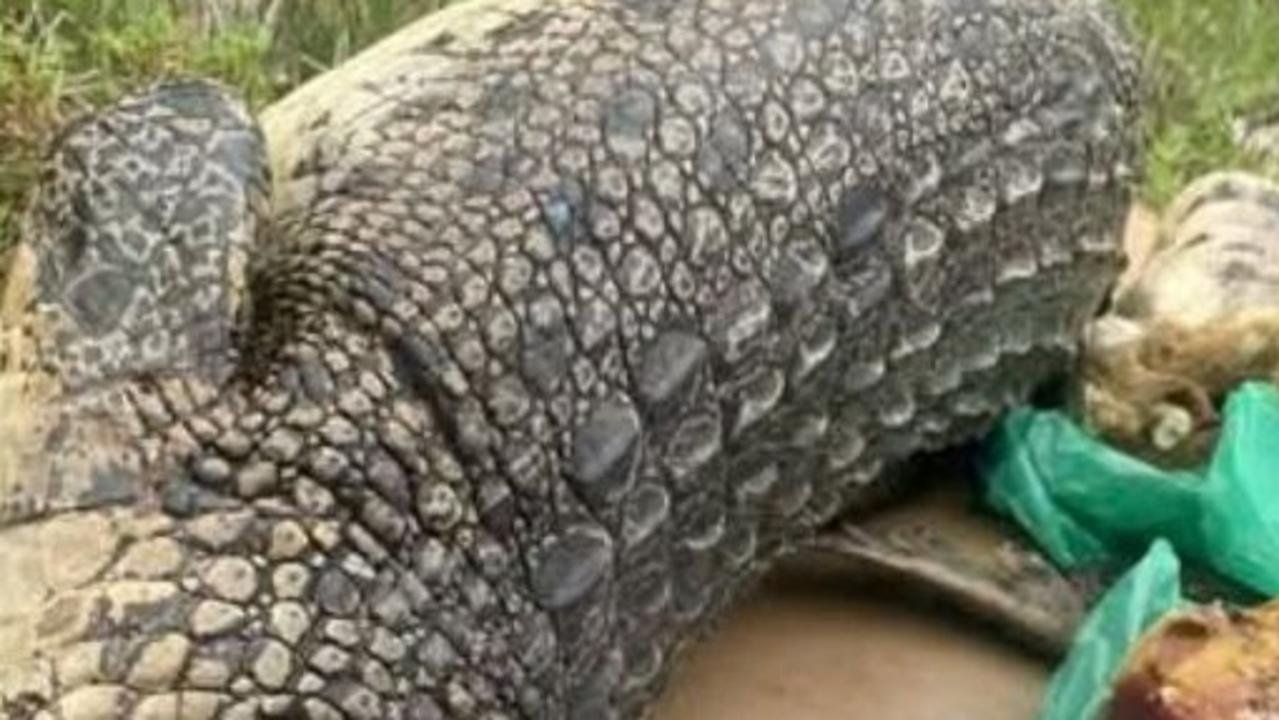
The discovery of a dismembered saltwater crocodile on the side of a road in Adelaide’s north has sent shockwaves through the community, with government authorities launching an investigation into the illicit wildlife trade.
The crocodile, which was found without its head, was discarded among rubbish and children’s paints inside a cardboard box once used for a pool cleaner.
Adam and his son made the gruesome discovery late yesterday during a driving lesson, but how the animal got there – and where it was being kept – remains a mystery.
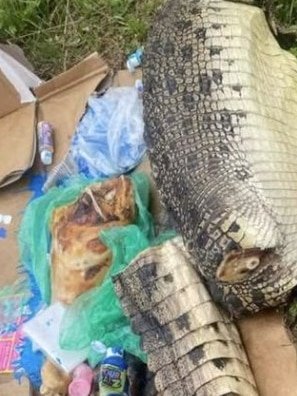
Department of Environment and Wildlife officials visited the site on Monday, bagging the remains to be sent for testing.
The investigation has raised more questions than answers, with experts warning that the presence of a saltwater crocodile in South Australia, where they are not native, raises concerns about the state’s vulnerability to wildlife trafficking.




Saltwater crocodiles are not found in the wild in South Australia, with the nearest populations located in the Top End, roughly 2600km away by road.
It is not legal to keep a saltwater crocodile without a specific permit or a private home in South Australia, and it is illegal to take a crocodile or their eggs from the wild.
Adelaide Zoo has confirmed that the crocodile does not belong to them, leaving authorities to wonder how the animal ended up in the state.
The discovery has sparked calls for greater scrutiny of the exotic animal trade in Australia, with fears that the country’s strict laws may not be enough to prevent illicit activity.
Security analysts say that the case highlights the need for increased cooperation between state and federal authorities to combat wildlife trafficking.
“This incident shows that we need to be more vigilant in monitoring the movement of exotic animals in and out of the country,” said one expert.
Analysis: What This Means for Australia
The discovery of a dismembered saltwater crocodile in South Australia has significant implications for the country’s national security and law enforcement.
The incident raises concerns about the state’s vulnerability to wildlife trafficking and highlights the need for increased cooperation between state and federal authorities to combat illicit activity.
Furthermore, the case has sparked calls for greater scrutiny of the exotic animal trade in Australia, with fears that the country’s strict laws may not be enough to prevent illicit activity.
Law enforcement insiders warn that the case is just the tip of the iceberg, with many more incidents of wildlife trafficking likely going undetected.
“This incident shows that we need to be more proactive in monitoring the movement of exotic animals in and out of the country,” said one insider.
Industry observers believe that the case highlights the need for greater public awareness about the risks associated with the exotic animal trade.
“We need to educate the public about the dangers of buying and selling exotic animals, and the impact it can have on our native wildlife,” said one observer.