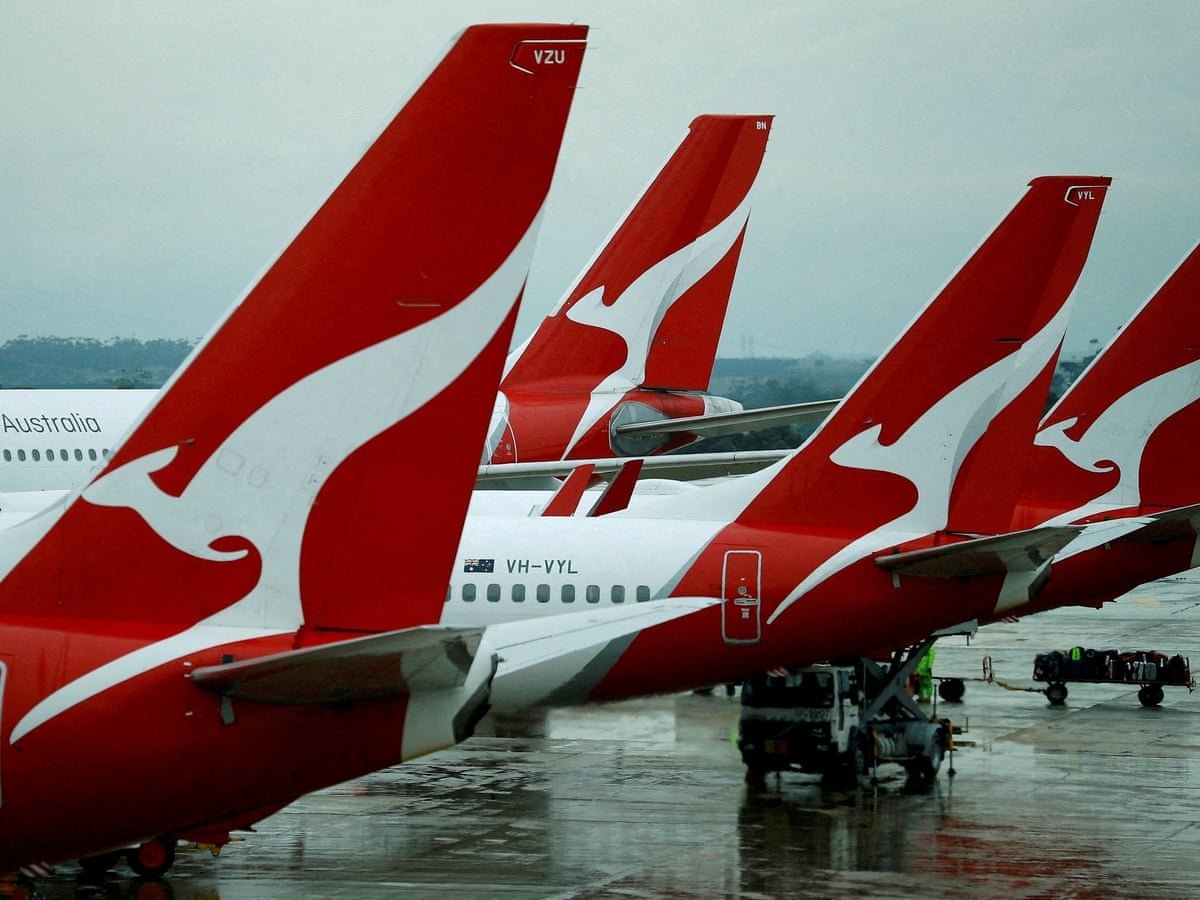
Fuel Price Fury: Qantas Slashes 5% of Domestic Flights as Middle East Conflict Bites
- Qantas axes around 5% of domestic flights due to surging fuel prices and shortages sparked by the Middle East conflict.
- One route, Adelaide to Mount Gambier, has already been cut, leaving customers frustrated and apologizing for the inconvenience.
- The airline’s fuel bill is forecast to skyrocket by $600 million to $800 million in the first half of the year, forcing drastic measures.
- Qantas is redeploying capacity from the US and domestic network to boost flights to Europe, as customers seek alternative routes.
As the conflict in the Middle East continues to wreak havoc on global fuel supplies, Qantas has been forced to take drastic measures to mitigate the impact.
The airline has announced plans to cut around 5% of its domestic flights, citing surging fuel prices and shortages. The move is set to affect thousands of customers, with one route already axed and more likely to follow.
The Adelaide to Mount Gambier route has been indefinitely suspended from May 18, with QantasLink CEO Mark Dal Pra apologizing for the inconvenience caused to customers and the local community.
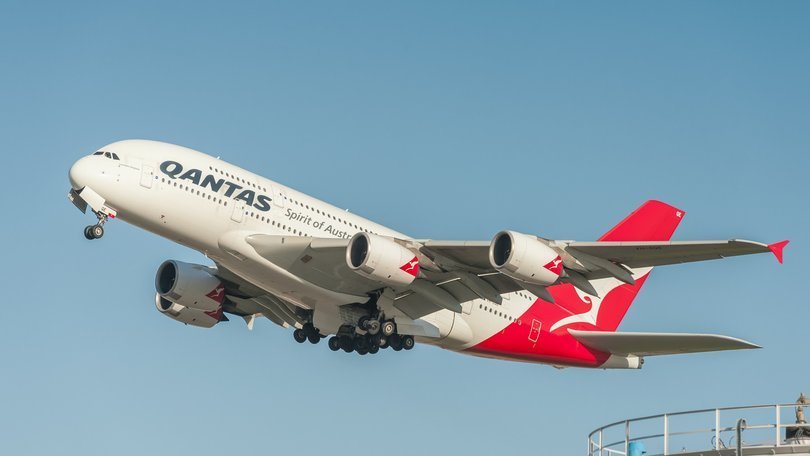
Despite efforts to boost demand, the route has been deemed no longer viable due to a decline in demand and the recent increase in fuel prices.
The airline’s fuel bill is forecast to increase by a staggering $600 million to $800 million in the first half of the year, with Qantas working closely with the government and jet fuel suppliers to ensure a steady supply.



However, the situation remains highly volatile, with Qantas closely monitoring the situation and retaining optionality to take further actions to mitigate fuel cost increases over time.
The Middle East conflict has sent shockwaves through the global aviation industry, with fuel prices more than doubling since the start of the year. Qantas has taken action to mitigate the impact, including international network changes, capacity adjustments, and fare increases.
The airline has also provided additional support to customers booked to travel on partner airlines, offering more flexibility to move flights or receive a refund.
Analysis: What This Means for Australia
The Qantas cuts are a stark reminder of the far-reaching consequences of global conflict on Australia’s economy and way of life. The surge in fuel prices has significant implications for the country’s aviation industry, with potential flow-on effects for the broader economy.
As the situation continues to unfold, it’s clear that Australia’s reliance on imported fuel makes it vulnerable to global supply chain disruptions.
Security analysts say that the Qantas cuts highlight the need for Australia to diversify its fuel sources and reduce its reliance on imported fuel.
“The current situation is a wake-up call for Australia to invest in alternative energy sources and reduce its exposure to global fuel price volatility,” said one analyst.
Law enforcement insiders warn that the cuts could also have implications for border security, with reduced flights potentially impacting the ability of authorities to monitor and respond to security threats.
“The reduction in flights could create a vulnerability in our border security, making it more challenging to detect and respond to potential threats,” said a source.
Industry observers believe that the Qantas cuts are a sign of things to come, with other airlines likely to follow suit. “The aviation industry is facing unprecedented challenges, and the Qantas cuts are just the tip of the iceberg,” said one observer.
“We can expect to see more airlines reducing flights and increasing fares as the fuel price crisis deepens.”
As the situation continues to unfold, one thing is clear: the Qantas cuts are a stark reminder of the far-reaching consequences of global conflict on Australia’s economy and way of life.
As the country navigates this challenging landscape, it’s essential to consider the long-term implications for national security, law enforcement, and the broader economy.