US Vice-President JD Vance Accuses Iran of “Economic Terrorism” as Blockade of Strait of Hormuz Begins
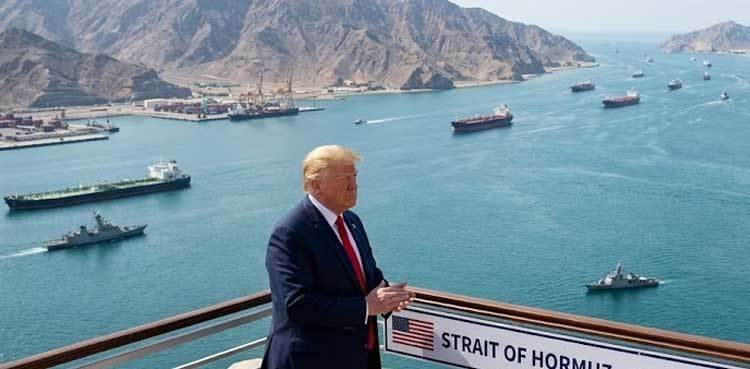
- A US naval blockade of all ships entering and leaving Iranian ports in the Strait of Hormuz has begun, with the US Vice-President JD Vance accusing Iran of “economic terrorism” for blocking traffic through the strait.
- Despite the blockade, two Iranian-linked oil tankers have appeared to pass through the Strait of Hormuz, with the US military’s ability to enforce the blockade unclear.
- The blockade has sparked fears of a global agrifood catastrophe, with the UN Food and Agriculture Organization warning that a prolonged crisis in the Strait of Hormuz could disrupt fertilizer and energy exports, driving up food prices and squeezing crop yields.
- Pakistan has proposed hosting a second round of talks between the US and Iran in Islamabad, as tensions between the two countries continue to escalate.
The US Vice-President JD Vance has accused the Iranian government of engaging in “economic terrorism” by blocking traffic through the Strait of Hormuz, as a US naval blockade of all ships entering and leaving Iranian ports in the strait began.
In an interview with Fox News, Vance said that US President Donald Trump had shown that “two could play at that game” by imposing the blockade.
The blockade is a significant escalation of the conflict between the US and Iran, which has been ongoing for weeks.
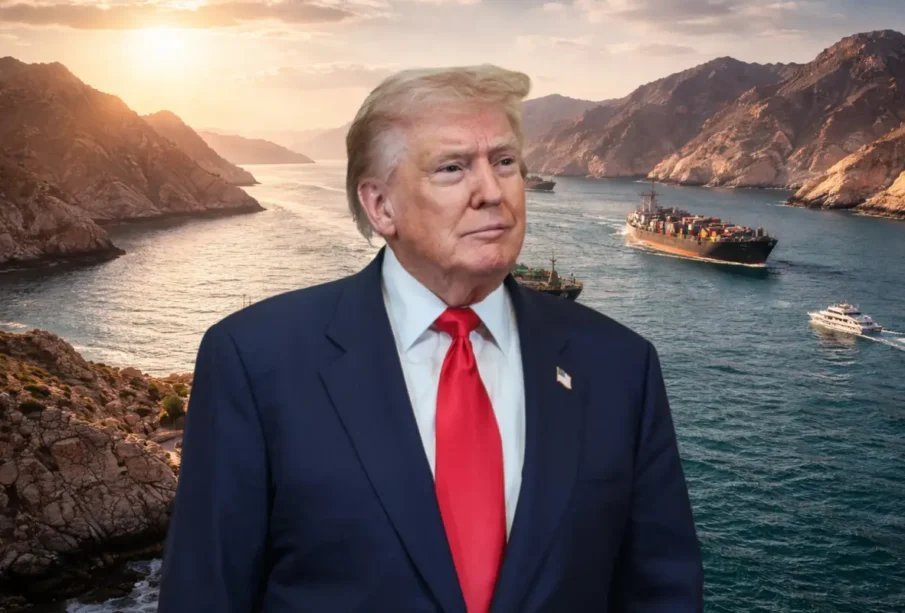
The US has accused Iran of attacking civilian vessels in the Strait of Hormuz, while Iran has accused the US of imposing an “illegal” blockade on its ports.
Despite the blockade, two Iranian-linked oil tankers have appeared to pass through the Strait of Hormuz, according to shipping tracking data. The tankers, the Aurora and Elpis, were both sanctioned by the US for their role in helping Iran evade energy sanctions.
The blockade has sparked fears of a global agrifood catastrophe, with the UN Food and Agriculture Organization warning that a prolonged crisis in the Strait of Hormuz could disrupt fertilizer and energy exports, driving up food prices and squeezing crop yields.
The FAO said that crop calendars put poorer countries most at risk of scarce and pricey fertilizer and energy inputs.
Pakistan has proposed hosting a second round of talks between the US and Iran in Islamabad, as tensions between the two countries continue to escalate.
The proposal comes after the first round of talks ended without an agreement, with the US and Iran unable to reach a deal on a range of issues, including the blockade of the Strait of Hormuz.
Analysis: What This Means for Australia
The blockade of the Strait of Hormuz has significant implications for Australia, which relies heavily on the strait for the importation of oil and other goods.
The Australian government has been working closely with the US and other countries to ensure the safe passage of ships through the strait, but the blockade has raised concerns about the potential for disruptions to global trade.
Australia’s agricultural sector is also likely to be affected by the blockade, with the country relying heavily on the export of grains and other crops.
The FAO has warned that a prolonged crisis in the Strait of Hormuz could disrupt fertilizer and energy exports, driving up food prices and squeezing crop yields.
Security analysts say that the blockade of the Strait of Hormuz is a significant escalation of the conflict between the US and Iran, and that it has the potential to draw in other countries, including Australia.
“The blockade is a clear indication that the US is willing to take a hardline approach to dealing with Iran,” said one analyst. “This has significant implications for Australia, which has a long history of cooperation with the US on security issues.”
Law enforcement insiders warn that the blockade could also have implications for Australia’s domestic security, with the potential for Iranian-backed terrorist groups to target Australian interests.
“The blockade has the potential to escalate tensions between Iran and the US, and this could have implications for Australia’s domestic security,” said one insider.
Industry observers believe that the blockade could also have significant economic implications for Australia, with the potential for disruptions to global trade and the flow of goods.
“The blockade has the potential to disrupt global trade, and this could have significant economic implications for Australia,” said one observer.
Expert commentary suggests that the blockade of the Strait of Hormuz is a significant escalation of the conflict between the US and Iran, and that it has the potential to draw in other countries, including Australia.
“The blockade is a clear indication that the US is willing to take a hardline approach to dealing with Iran,” said one expert. “This has significant implications for Australia, which has a long history of cooperation with the US on security issues.”
As the situation in the Strait of Hormuz continues to unfold, it is clear that the blockade has significant implications for Australia, both in terms of its economic and security interests.
The Australian government will need to carefully consider its response to the blockade, and work closely with the US and other countries to ensure the safe passage of ships through the strait.