Teenage Elites and Deepfake Depravity: The Dark Side of Australia’s Privileged Class
- A 19-year-old private school graduate is set to become the first person in South Australia to be convicted of creating and distributing explicit deepfake images.
- William Yeates, who attended an elite college with fees up to $20,000 a year, pleaded guilty to four counts of the newly introduced offence.
- The case highlights the dark side of Australia’s privileged class and the dangers of deepfake technology.
- Yeates faces a maximum sentence of seven years in jail for his crimes, which included distributing images of his victim’s breasts without her consent.
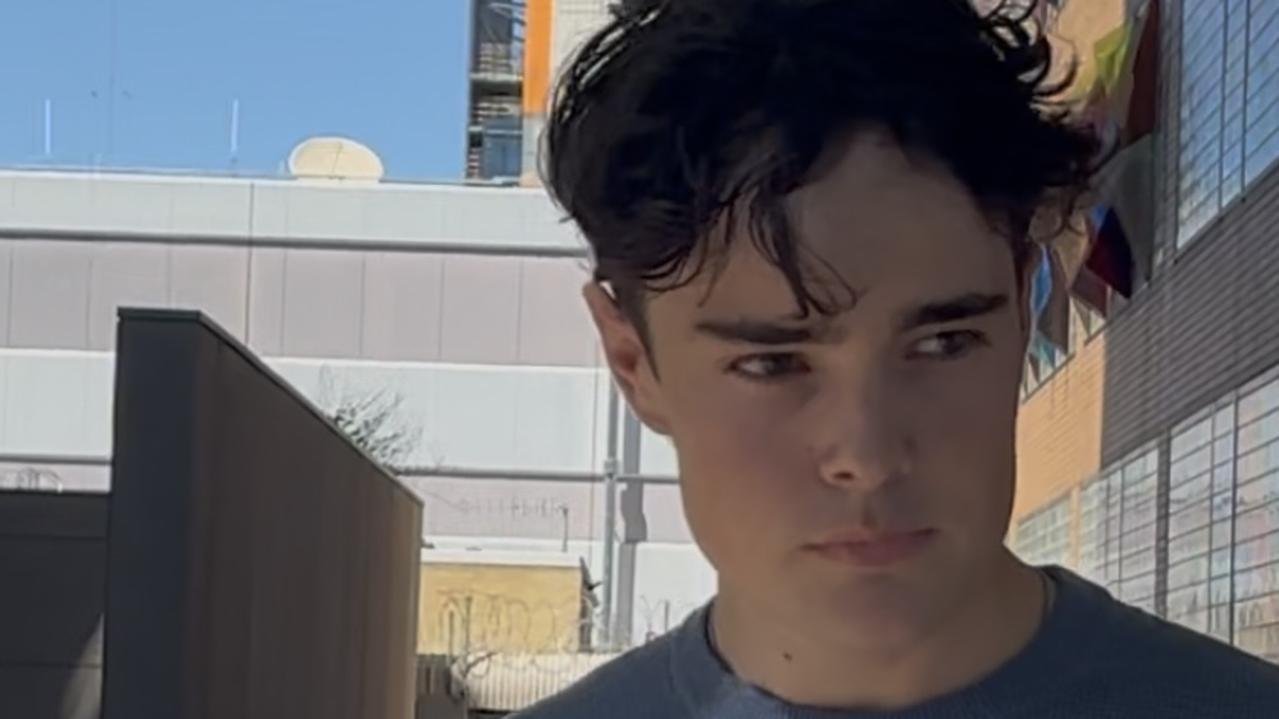
In a shocking case that has left the community reeling, a 19-year-old private school graduate is set to become the first person in South Australia to be convicted of creating and distributing explicit deepfake images.
William Yeates, who attended the prestigious Mercedes College, which charges fees of up to $20,000 a year, pleaded guilty to four counts of the newly introduced offence in the Adelaide Magistrates Court.
According to court documents, Yeates, who was 18 at the time of the offences, used the social media platform X, formerly known as Twitter, to distribute images purporting to be of his victim’s breasts without her consent.
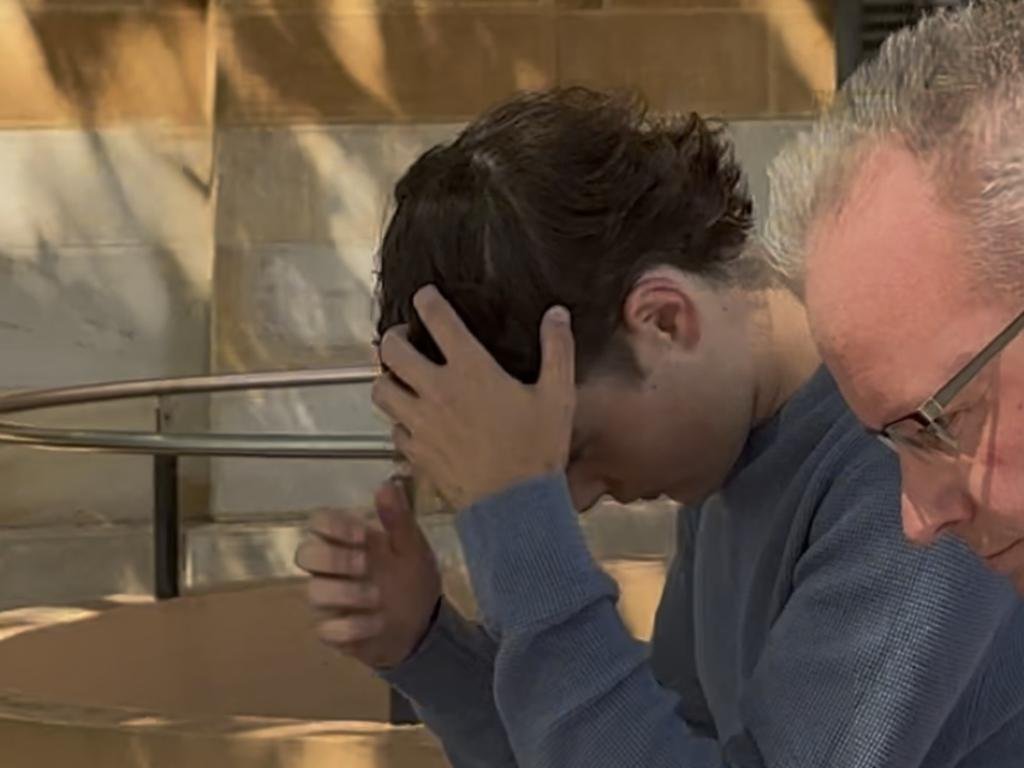
The charges laid against him included creation or alteration of sexual material without consent, and using a carrier service in a harassing or offensive way.
The case has sparked concerns about the dangers of deepfake technology and the ease with which it can be used to exploit and harm others. The offence, which was introduced in 2024, carries a maximum sentence of seven years in jail.

Yeates’s guilty plea marks a significant milestone in the fight against deepfake crimes in Australia.
But what drove a young man from a privileged background to engage in such depraved behaviour? Experts say that the case highlights the need for greater education and awareness about the dangers of deepfake technology, particularly among young people.
“The fact that Yeates was able to create and distribute these images without being detected for so long is a worrying sign of the times we live in,” said one security analyst.
“We need to do more to educate young people about the risks and consequences of using this technology.”
Analysis: What This Means for Australia
The Yeates case has significant implications for Australia’s efforts to combat deepfake crimes.
The fact that the offence was introduced in 2024 and similar laws were introduced in South Australia in late 2025 suggests that the government is taking the issue seriously.
However, the case also highlights the need for greater awareness and education about the dangers of deepfake technology.
Law enforcement insiders warn that the case is just the tip of the iceberg.
“We are seeing a growing number of cases involving deepfake technology, and it’s clear that we need to do more to tackle this issue,” said one insider.
“The fact that Yeates was able to create and distribute these images without being detected for so long is a worrying sign of the times we live in.”
Industry observers believe that the case highlights the need for greater regulation of social media platforms.
“The fact that Yeates was able to use X to distribute these images without being detected suggests that the platform is not doing enough to protect its users,” said one observer.
“We need to see greater regulation of these platforms to prevent this kind of thing from happening again.”
As the case against Yeates continues, one thing is clear: the dangers of deepfake technology are very real, and Australia needs to do more to tackle this issue.
The question is, what will it take to stop the next William Yeates?