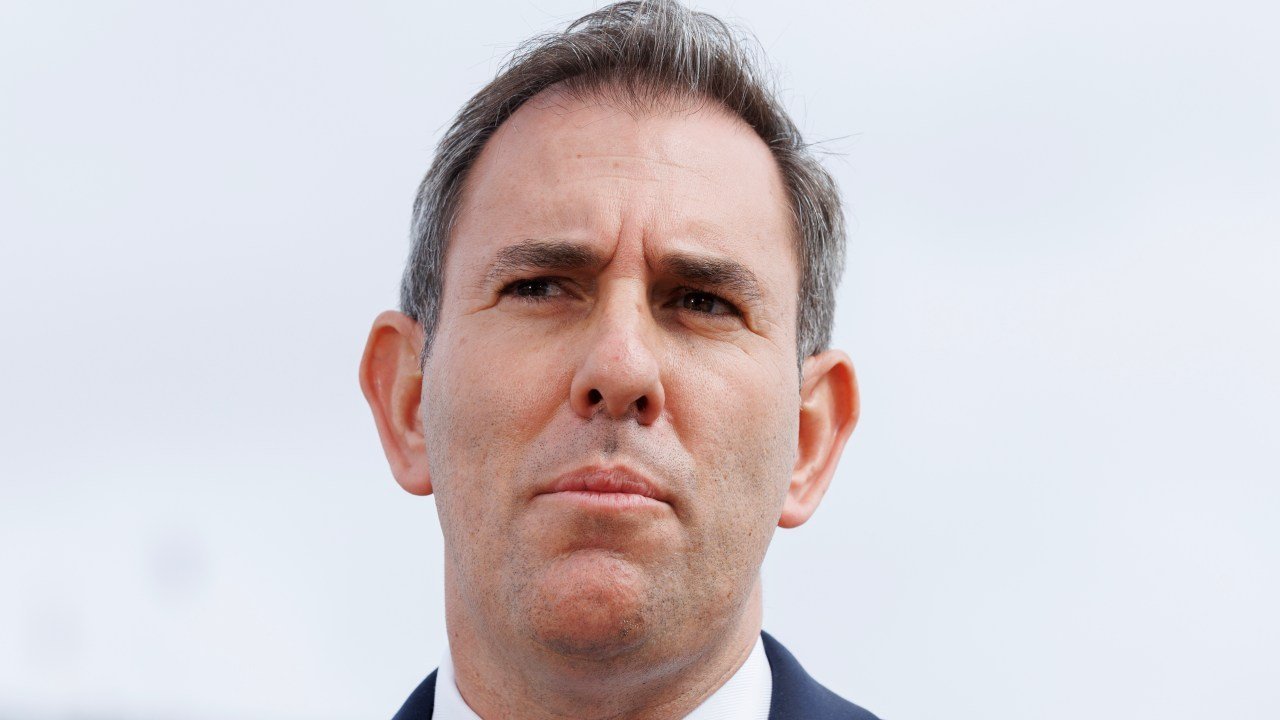
Global Economy on Brink of Recession as Iran War Sparks Energy Crisis: IMF Warns of ‘Unprecedented Scale’ Disaster
- The International Monetary Fund (IMF) warns that the global economy is on the cusp of a recession due to the Iran War’s devastating impact on oil and energy markets.
- Australia’s Treasurer, Jim Chalmers, is racing against time to secure fuel supplies and strengthen supply chains as the nation teeters on the edge of an energy crisis.
- The IMF cautions governments against reckless spending, warning that it could exacerbate the inflation and interest rates problem, as Australia’s debt is set to hit a staggering $1 trillion.
- The Opposition slams the Albanese Government for leaving the economy in a “weakened state” before the Iran War, as the nation grapples with surging inflation and rising interest rates.
The global economy is staring into the abyss, with the International Monetary Fund (IMF) warning that the disruptions to the oil and energy markets sparked by the Iran War could push the world to the brink of a recession.
In a dire assessment, the IMF forecasts that if the conflict extends into next year, global growth will slump to a mere 2 percent, with headline inflation soaring to a crippling 6 percent.
Australia’s Treasurer, Jim Chalmers, is scrambling to mitigate the damage, embarking on a whirlwind trip to Washington D.C. to meet with G20 Finance Ministers and Central Bank Governors.
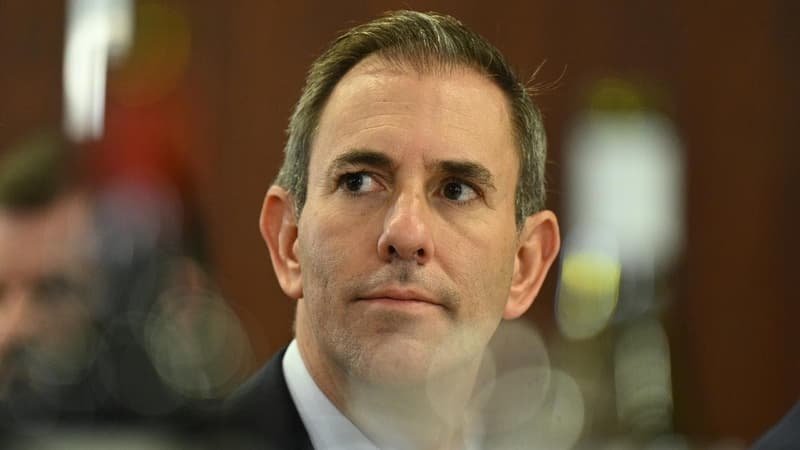
With the nation’s fuel supplies hanging in the balance, Chalmers will plead with the Trump Administration to end the war and secure the reopening of the critical Strait of Hormuz.
The Treasurer’s mission is clear: to add pressure on the US to end the conflict, secure fuel supplies, strengthen supply chains, and promote Australia as an investment destination.



The IMF’s Chief Economist, Pierre-Olivier Gourinchas, paints a grim picture of the global economy, warning that the closure of the Strait of Hormuz and damage to critical production facilities could trigger an energy crisis of “unprecedented scale”.
The duration and scale of the conflict, Gourinchas warns, will determine the ultimate size of the shock to the global economy.
As the global economy teeters on the edge of disaster, the IMF is cautioning governments against reckless spending in the name of cost-of-living relief.
Fiscal measures, the IMF warns, may be popular, but they could add to the inflation and interest rates problem. Instead, the IMF advocates for targeted and temporary relief, urging governments to preserve price signals and avoid complicating the task of central banks.
Australia’s Albanese Government has already begun doling out cost-of-living relief, slashing the fuel excise in half for three months at a cost of $2.5 billion to the budget.
However, the Opposition is slamming the Government for leaving the economy in a “weakened state” before the Iran War, with the nation’s debt set to hit a staggering $1 trillion.
The Shadow Transport Minister, Bridget McKenzie, is demanding that the Government get its spending profile under control, warning that the Treasurer must make tough decisions to save the country from the worst of the global crisis.
Analysis: What This Means for Australia
The IMF’s dire warnings have significant implications for Australia’s national security, law enforcement, and economic stability. As the global economy hurtles towards a recession, Australia’s already-fragile economy is facing a perfect storm of rising inflation, interest rates, and debt.
The Opposition’s criticism of the Government’s handling of the economy is likely to intensify, as the nation grapples with the consequences of the Iran War.
Security analysts warn that the energy crisis sparked by the Iran War could have far-reaching consequences for Australia’s national security, particularly in the realm of fuel supplies and critical infrastructure.
The Government’s decision to slash the fuel excise may provide short-term relief, but it is unlikely to address the underlying structural issues plaguing the economy.
Law enforcement insiders are also warning of the potential for social unrest and community instability as the economic crisis deepens.
The Government’s ability to respond to the crisis will be critical in maintaining public trust and confidence, particularly in the face of rising inflation and interest rates.
Industry observers believe that the IMF’s warnings are a wake-up call for governments around the world to take decisive action to address the global economic crisis.
For Australia, the stakes are high, with the nation’s economic stability, national security, and community cohesion all hanging in the balance.