‘Failed by the System’: Family of Slain 80-Year-Old Grandmother Demands Answers After Attacker Found Not Criminally Responsible Due to Mental Health Issues
- A woman died at Bankstown-Lidcombe Hospital after being choked and bashed by a man who was later found not criminally responsible due to mental health reasons.
- The family of the victim, 80-year-old Samira Kamaleddine, claims the hospital system failed them and no one is taking responsibility for the tragedy.
- The attacker, Richard Po Lun Lim, was charged with four offences, including murder, but was deemed not criminally responsible due to a psychotic episode and likely schizophrenia.
- The case has raised concerns about the mental health system and the safety of patients in hospitals.
The family of Samira Kamaleddine, an 80-year-old grandmother who was brutally attacked and killed at Bankstown-Lidcombe Hospital, is demanding answers and accountability from the hospital system.
Richard Po Lun Lim, the man charged with her murder, was found not criminally responsible due to mental health issues, leaving the family feeling frustrated and failed by the system.
On January 4, 2024, Lim attacked Kamaleddine, putting her in a headlock and bashing her head repeatedly against a wall. The attack occurred just before 3 am, while Kamaleddine was in hospital for treatment for swelling in her legs.
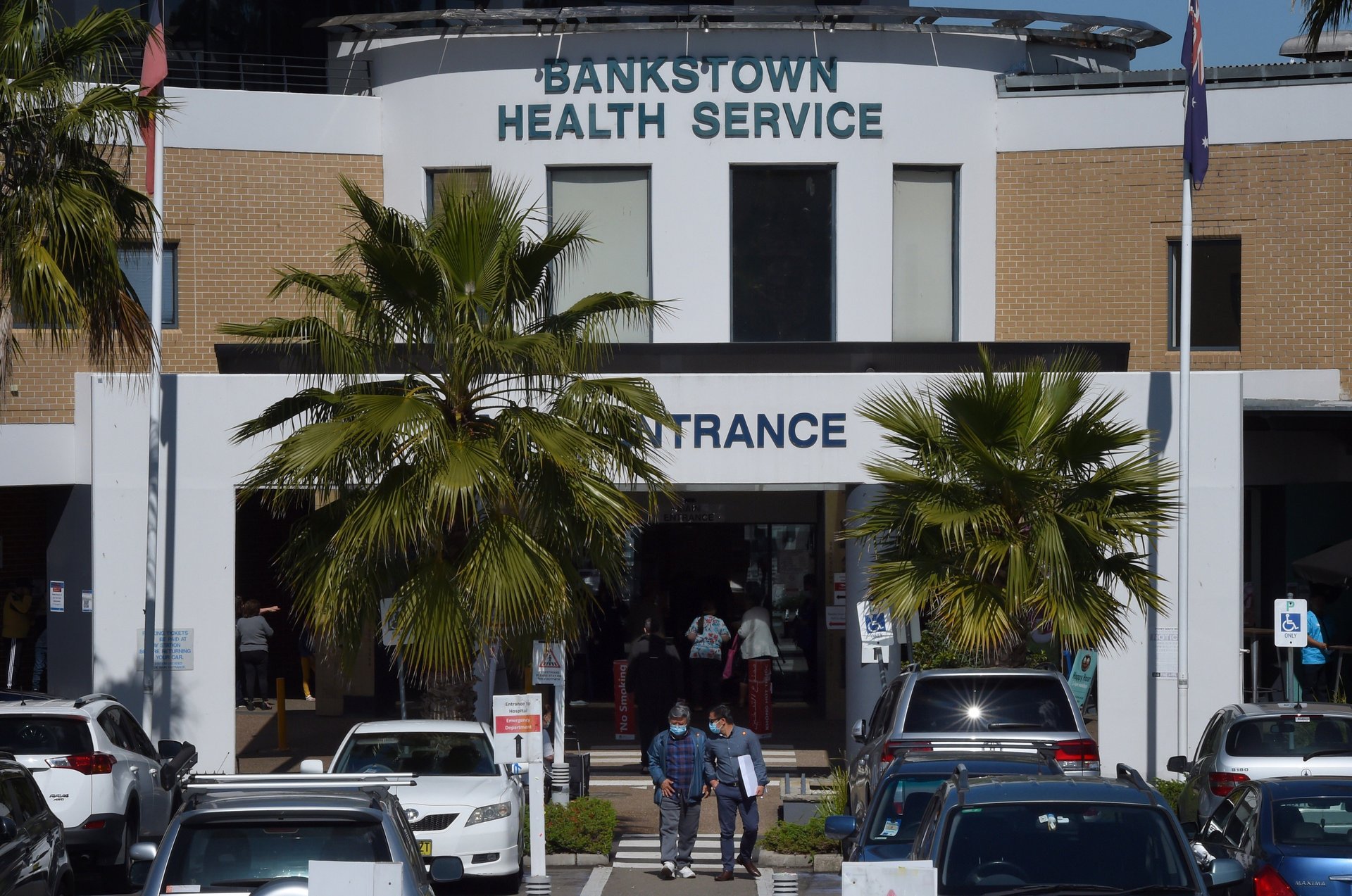
Lim was also a patient at the hospital, having been kept overnight for observation after his vehicle crashed into a telephone pole the day before.
The court heard that Lim had a history of mental health issues and had presented to Hornsby Hospital a week before the attack, where he was restrained by hospital security due to his mentally disturbed state.




Despite this, he was discharged and referred to mental health services, but did not follow up. Justice Edward Muston noted that it was during the new year holiday period, which may have contributed to the lack of follow-up.
The family of Kamaleddine has expressed their outrage and disappointment at the outcome of the case, stating that no one is taking responsibility for the failure of the hospital and mental health system.
In a victim impact statement, the family said, “Like any rational person, we put our trust and faith in the Australian medical system and called an ambulance … We never imagined it would have led to a life filled with trauma.”
Security analysts say that the case highlights the need for improved safety measures in hospitals, particularly in regards to patients with mental health issues. “Hospitals need to have adequate protocols in place to ensure the safety of all patients, including those with mental health issues,” said one analyst.
“This includes providing adequate staffing and security, as well as ensuring that patients receive proper treatment and follow-up care.”
Analysis: What This Means for Australia
The case raises serious concerns about the mental health system in Australia and the safety of patients in hospitals. It highlights the need for improved safety measures and protocols to ensure that patients with mental health issues receive proper treatment and follow-up care.
The case also raises questions about the accountability of hospitals and the mental health system, and the need for greater transparency and responsibility.
Law enforcement insiders warn that the case is a wake-up call for the need for greater investment in mental health services and hospital security. “This case is a tragedy that could have been prevented with proper care and attention,” said one insider.
“It highlights the need for greater investment in mental health services and hospital security to ensure that patients receive the care they need and deserve.”
Industry observers believe that the case will lead to changes in the way that hospitals and mental health services operate. “This case will likely lead to a review of hospital protocols and procedures, as well as greater investment in mental health services,” said one observer.
“It highlights the need for a more comprehensive approach to mental health care, one that includes greater support for patients and their families.”