Australia Unleashes Historic Defence Spending Boost as Nation Faces ‘Most Serious Threats in 80 Years’
- Australia to pour tens of billions of dollars into high-tech weapons in a major update to the nation’s defence strategy
- Defence Minister Richard Marles warns of threats more serious than anything seen in the last 80 years, including a potential new nuclear arms race
- The government will increase defence spending to 3% of the nation’s economic output, with a focus on new technologies such as uncrewed aircraft and submarines
- Experts warn that Australia is not adequately prepared for the era of missiles and drones, with a major military threat identified as coming from China
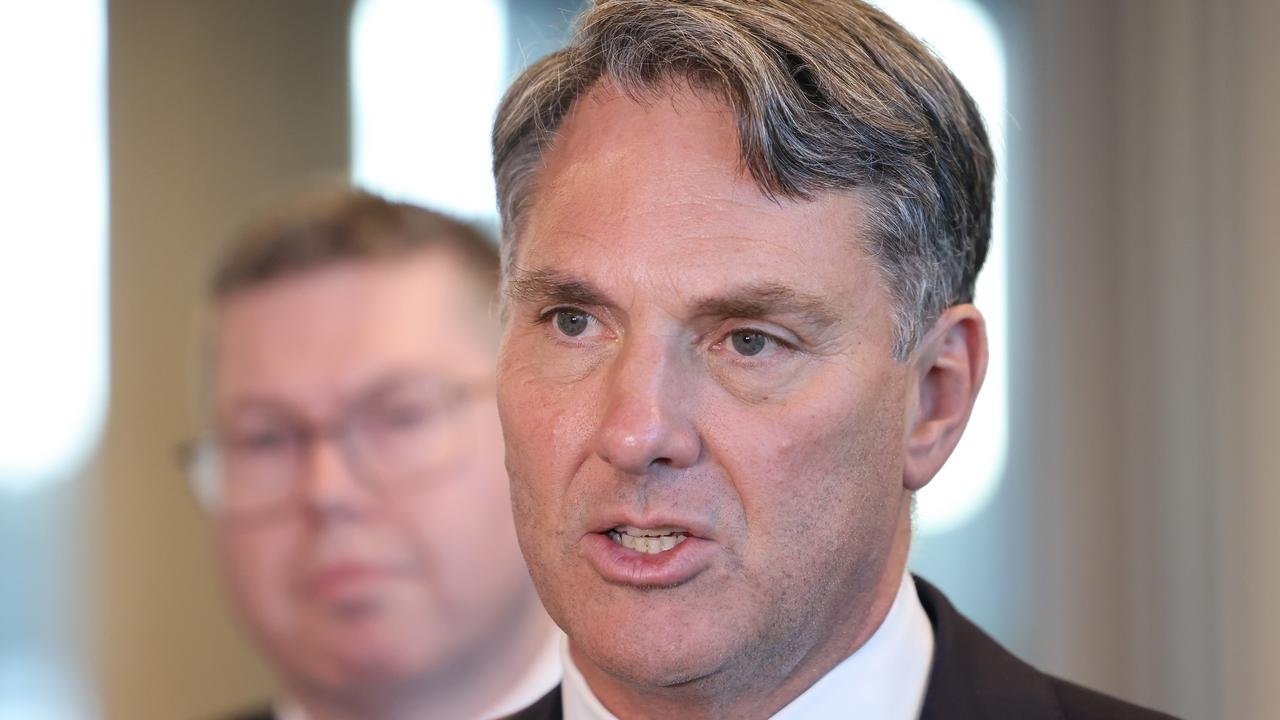
Australia is bracing for a new era of defence spending, with the government announcing a massive boost to the nation’s military capabilities. Defence Minister Richard Marles revealed the plan on Thursday, warning that the country faces threats more serious than anything seen in the last 80 years.
The government will tip an extra $14 billion into defence over the next four years, with spending reaching $53 billion over the decade.
This represents a significant increase in defence spending, with the nation’s military budget set to climb from 2.8% to 3% of the nation’s economic output.
While this falls short of the 3.5% demanded by US President Donald Trump’s administration, it exceeds spending by allies including the UK, France, and Canada.
According to Marles, the government’s decision to increase defence spending reflects a serious commitment to the nation’s security. “We may be at the foothills of a new nuclear arms race,” he warned, citing just one example of the escalating threats facing Australia.

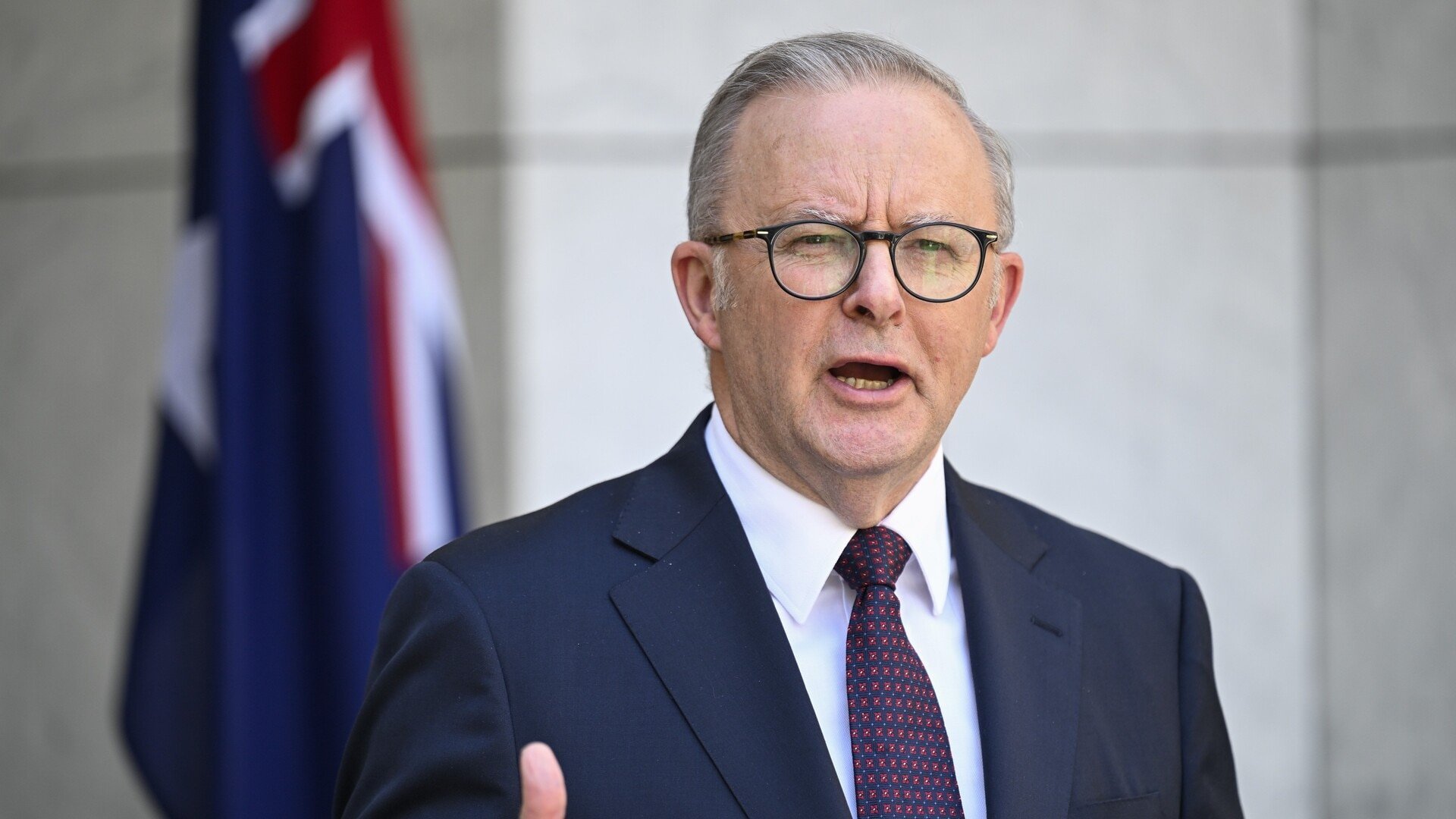
The government’s plan prioritizes new technologies, including uncrewed aircraft and submarines, as well as a doubling of funding for missile defence.
Experts have welcomed the government’s decision, with Australian Strategic Policy Institute’s Mike Hughes noting that the increase in defence spending is a significant commitment, particularly given the current cost-of-living crisis.
“We’re in the midst of a cost-of-living crisis, so for them to be able to do this does reflect a serious commitment on their part,” he said.
However, not everyone is convinced that the government’s plan goes far enough. Former Land Forces Commander Retired Major General Gus McLachlan warned that Australia is not adequately prepared to defend itself from incoming missiles.
“The people of Australia would expect that we can defend ourselves from any incoming missiles, and let me tell you at the moment, we simply cannot,” he said.
Shadow Defence Minister James Paterson also expressed concerns, noting that the government’s plan is a recognition that Australia is not adequately prepared for the era of missiles and drones.
“We are now living in an age of missiles and drones. It’s clear that even the government recognises Australia is not adequately prepared for that era,” he said.
Analysis: What This Means for Australia
The government’s decision to increase defence spending is a significant development, with major implications for Australia’s national security. The plan prioritizes new technologies and capabilities, including uncrewed aircraft and submarines, as well as a doubling of funding for missile defence.
However, experts warn that Australia is not adequately prepared to defend itself from incoming missiles, and that the government’s plan may not go far enough to address the nation’s security challenges.
Security analysts say that the government’s plan is a recognition of the growing threat posed by China, which has deepened its strategic partnership with Russia. “China has deepened its strategic partnership with Russia,” Marles said.
This development has significant implications for Australia’s national security, and the government’s plan is a response to the growing threat posed by China.
Law enforcement insiders warn that the government’s plan may not be enough to address the nation’s security challenges, particularly given the current threat posed by China.
“We are now living in an age of missiles and drones. It’s clear that even the government recognises Australia is not adequately prepared for that era,” Paterson said.
Industry observers believe that the government’s plan is a significant development, with major implications for Australia’s national security.
“We’re in the midst of a cost-of-living crisis, so for them to be able to do this does reflect a serious commitment on their part,” Hughes said.
Overall, the government’s decision to increase defence spending is a significant development, with major implications for Australia’s national security.
While experts welcome the government’s plan, they also warn that it may not go far enough to address the nation’s security challenges, particularly given the growing threat posed by China.