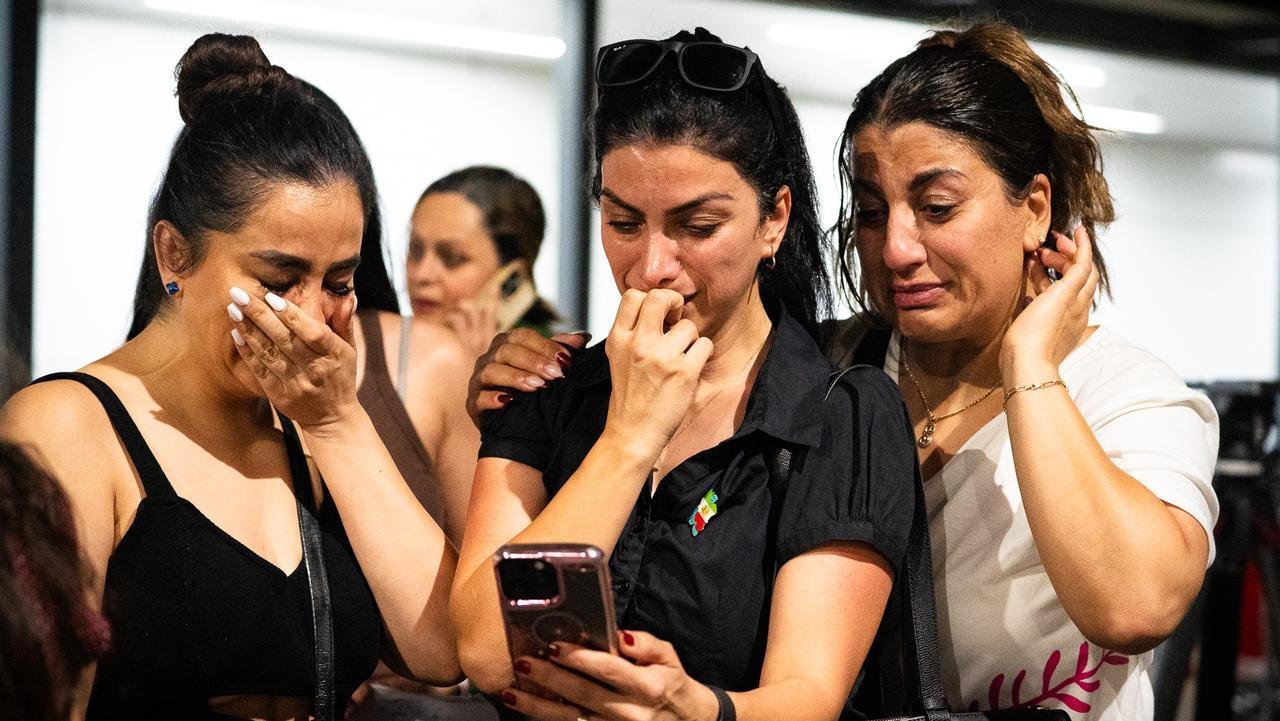
Iranian Soccer Stars Find Safe Haven in Australia After Daring Defiance of Tehran’s Tyranny
- Two Iranian women’s soccer team members, Fatemeh Pasandideh and Atefeh Ramezanisadeh, granted asylum in Australia after refusing to sing national anthem in protest against Iranian regime.
- The pair thank Australian government and Iranian-Australian community for support, saying they’re focused on rebuilding their lives and continuing their football careers.
- Their bravery has sparked a wave of solidarity from the Iranian diaspora community in Australia, who have rallied around the women to provide a safe and welcoming environment.
- As they settle into their new life, Pasandideh and Ramezanisadeh have been welcomed by A-League Women’s club Brisbane Roar, who have offered them a chance to train with the squad.
Their story is one of courage and defiance in the face of tyranny.
Fatemeh Pasandideh and Atefeh Ramezanisadeh, two members of Iran’s women’s soccer team, have taken a stand against the Iranian regime by refusing to sing the national anthem before their match against South Korea in the AFC Women’s Asian Cup.
The move was a bold statement of dissent, and one that came with great personal risk.
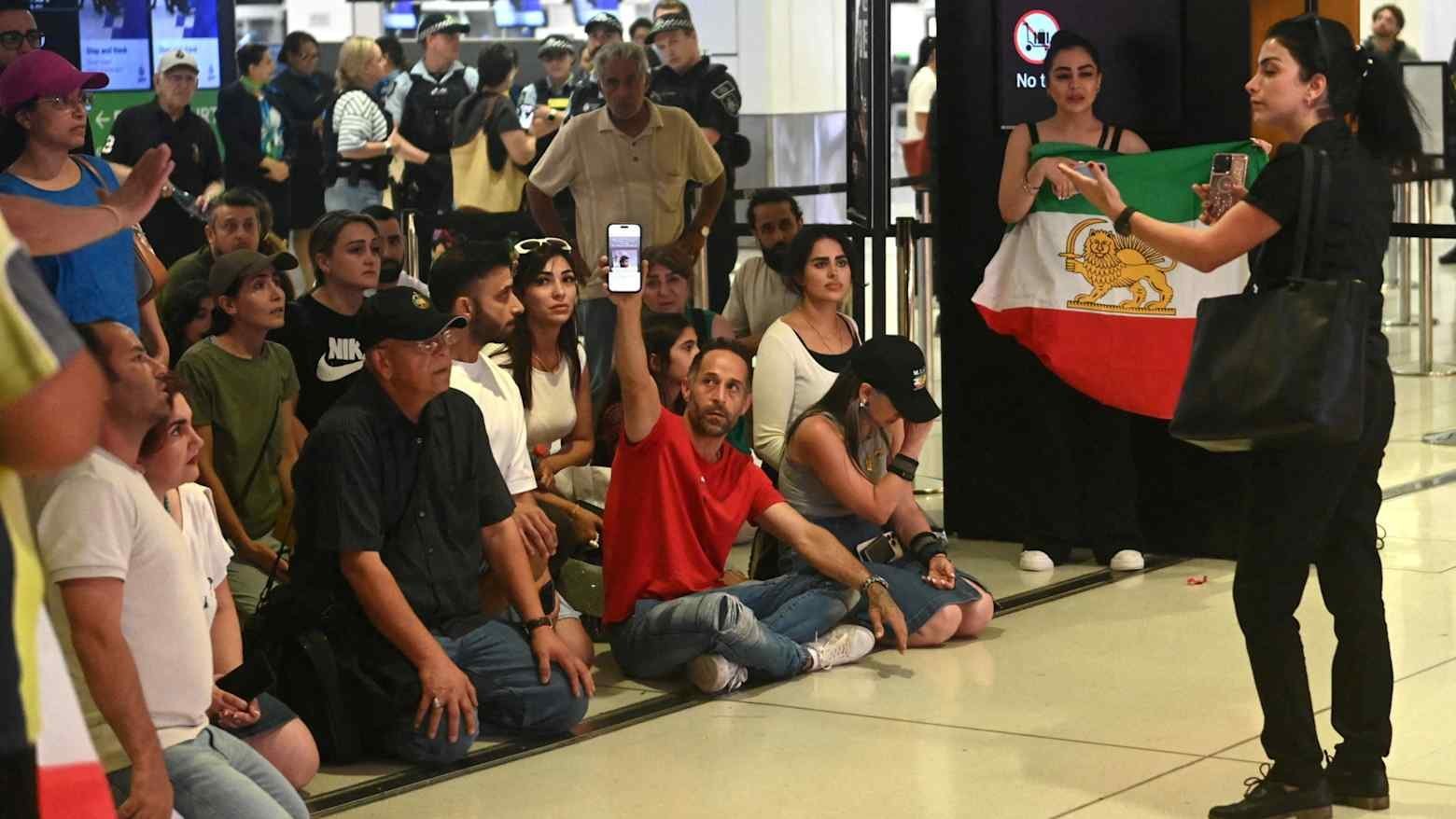
The Iranian team had arrived in Australia in March, just as war broke out in the Middle East following a US-Israel attack on the Islamic Republic.
The tension was palpable, and the players knew that their actions would be closely watched by the Iranian authorities. Despite this, Pasandideh and Ramezanisadeh, along with five other team members, decided to take a stand and not sing the national anthem.



Their decision sparked a chain reaction of events that would change their lives forever.
The seven team members, including a player handler, were granted humanitarian visas by the Australian government based on fear of persecution if they returned to Iran.
However, five of the team members later withdrew their asylum claims and returned to Iran, leaving Pasandideh and Ramezanisadeh to forge a new life in Australia.
As they settle into their new home, the two women have been overwhelmed by the support of the Iranian-Australian community. They have been welcomed with open arms, and have been provided with a safe and supportive environment to rebuild their lives.
The pair have also been offered a chance to train with A-League Women’s club Brisbane Roar, who have committed to providing a supportive environment for them as they navigate their transition into Australian life.
In a joint statement, Pasandideh and Ramezanisadeh thanked the Australian government and the Iranian-Australian community for their support, saying: “We are overwhelmed by the warmth and generosity of the Iranian diaspora community in Australia.
Your support has made us feel welcome and less alone as we navigate this transition.”
Security analysts say that the Iranian regime’s crackdown on dissent has created a climate of fear among Iranian citizens, particularly women.
The regime’s strict laws and punishments have made it difficult for women to speak out against the government, and those who do are often subjected to harassment, intimidation, and even imprisonment.
Law enforcement insiders warn that the Iranian regime’s long arm of oppression can reach even into Australia, making it difficult for Pasandideh and Ramezanisadeh to feel truly safe.
However, the Australian government’s decision to grant them asylum has provided them with a safe haven, and the support of the Iranian-Australian community has given them a sense of belonging and purpose.
Analysis: What This Means for Australia
The case of Pasandideh and Ramezanisadeh highlights the importance of Australia’s commitment to protecting human rights and providing a safe haven for those fleeing persecution.
The Australian government’s decision to grant them asylum has sent a strong message to the Iranian regime that Australia will not tolerate oppression and will stand up for those who are persecuted.
Industry observers believe that the case also highlights the importance of the Iranian-Australian community in providing support and solidarity to those who are fleeing persecution.
The community’s response to Pasandideh and Ramezanisadeh’s arrival in Australia has been overwhelming, and has provided them with a sense of belonging and purpose.
However, the case also raises concerns about the Iranian regime’s influence in Australia and the potential for the regime to use its agents to intimidate and harass those who have fled persecution.
Law enforcement agencies must remain vigilant and ensure that those who have been granted asylum are protected from the regime’s agents.
Ultimately, the case of Pasandideh and Ramezanisadeh is a testament to the bravery and resilience of those who are fighting against tyranny and oppression. Their story is a powerful reminder of the importance of standing up for human rights and providing a safe haven for those who are persecuted.