Electric Vehicle Revolution Takes Hold in Australia as Hyundai Sees 355% Surge in Orders Amid Soaring Petrol Prices
- Hyundai Australia reports a staggering 355% increase in electric vehicle orders in March 2026, with EVs now making up 20% of all orders.
- The spike in demand comes as Australian EV deliveries shot up 88.9% year over year in March, taking a record 14.6% market share.
- Hyundai secures more stock to meet demand, with a 158% increase in supply of EVs for the second quarter, ensuring little-to-no waiting times for customers.
- The electric vehicle revolution is gaining momentum in Australia, with motorists turning to EVs as petrol prices reach record highs.
The electric vehicle (EV) market in Australia is experiencing a seismic shift, with Hyundai Australia reporting a staggering 355% increase in EV orders in March 2026.
The surge in demand has seen EVs now make up 20% of all Hyundai orders, a significant jump from less than three percent before March 2026.
This trend is not unique to Hyundai, with Australian EV deliveries shooting up 88.9% year over year in March, taking a record 14.6% market share.
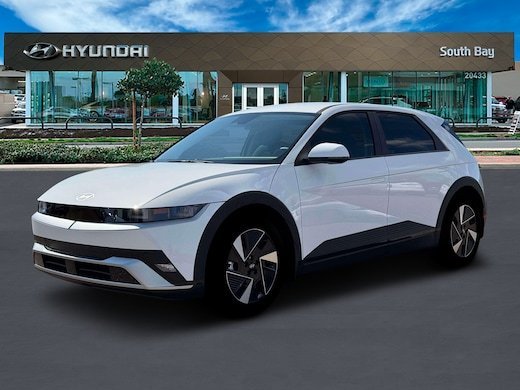
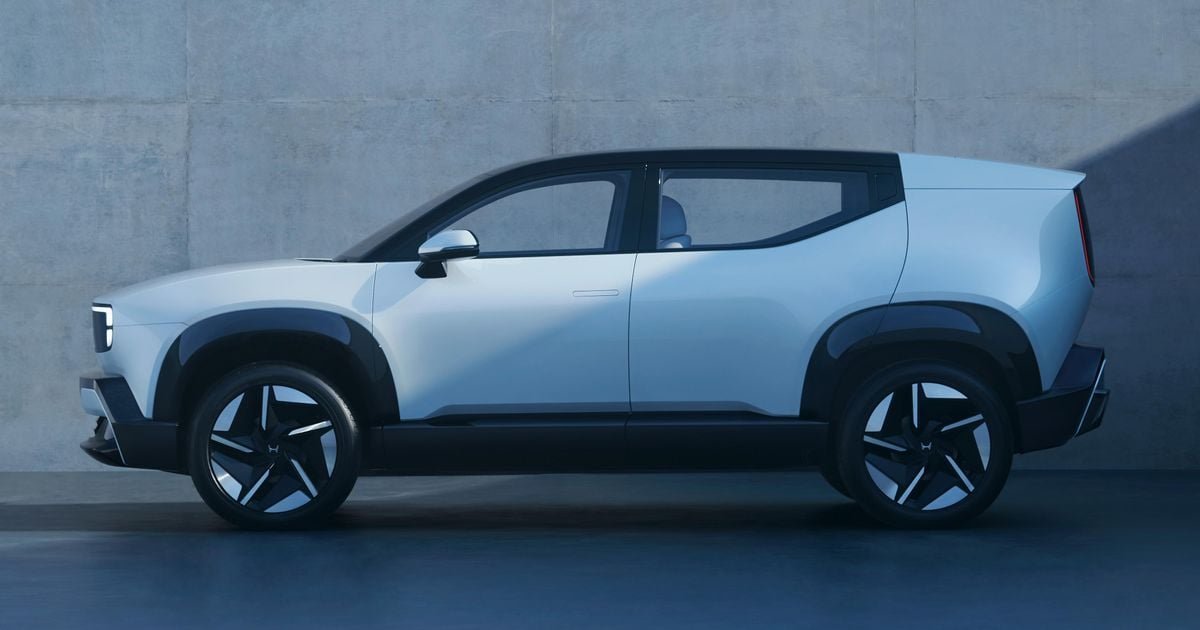
According to Hyundai Australia, orders for its EV range, which includes the city-sized Ister, the small Kona Electric, the mid-size Ioniq 5, and the new mid-size Elexio SUV, skyrocketed from 228 in February to 1037 last month.
The Kona Electric has been the brand’s best-selling EV in the first three months of the year, with 366 sales, including 236 in March alone.




The spike in demand has seen Hyundai secure more stock for local dealers to ensure little-to-no waiting times for customers. A spokesperson for Hyundai told CarExpert that shipments are taking less time to arrive due to strong factory support.
Hyundai is planning for a 70% increase in EV orders for the second quarter over Q1, with a 158% increase in supply of EVs for the second quarter.
Analysis: What This Means for Australia
The electric vehicle revolution is gaining momentum in Australia, with motorists turning to EVs as petrol prices reach record highs. The trend is expected to continue, with Hyundai predicting a 70% increase in EV orders for the second quarter.
This shift towards EVs has significant implications for Australia’s automotive industry, with manufacturers needing to adapt to changing consumer demands.
Security analysts say that the increasing demand for EVs also raises concerns about the country’s energy infrastructure and the ability to meet the growing demand for electricity.
“As more Australians turn to EVs, there will be a significant increase in electricity demand, which could put pressure on the grid,” said one analyst.
Law enforcement insiders warn that the growing popularity of EVs also raises concerns about the potential for theft and vandalism. “As EVs become more popular, we can expect to see an increase in theft and vandalism, particularly in urban areas,” said one insider.
Industry observers believe that the shift towards EVs is a positive trend for Australia, with the potential to reduce greenhouse gas emissions and improve air quality.
“The increasing demand for EVs is a step in the right direction for Australia, as we transition towards a more sustainable transportation system,” said one observer.
As the electric vehicle revolution gains momentum in Australia, it is clear that the country is at a turning point in its automotive history.
With manufacturers adapting to changing consumer demands and the government investing in infrastructure to support the growth of EVs, the future of transportation in Australia is looking increasingly electric.