China’s Grip on Australia Tightens: State-Owned Construction Giant Makes Shortlist for $1.13 Billion Stadium Project
- A subsidiary of the Chinese government’s China State Construction Engineering Corporation has been selected to tender for the Macquarie Point Stadium in Hobart, sparking concerns over national security and local job opportunities.
- The $1.13 billion project has been shortlisted to two firms, including Constructure Joint Venture, which includes the Chinese state-owned company, and BESIX Watpac, which has previously worked on high-profile projects in Australia and New Zealand.
- The Tasmanian government hopes to award the contract by the end of 2026, but Labor has raised concerns over cost blowouts and the government’s track record on managing major infrastructure projects.
- Security analysts warn that China’s growing influence in Australia’s construction industry poses a significant threat to national security and could compromise the integrity of critical infrastructure projects.
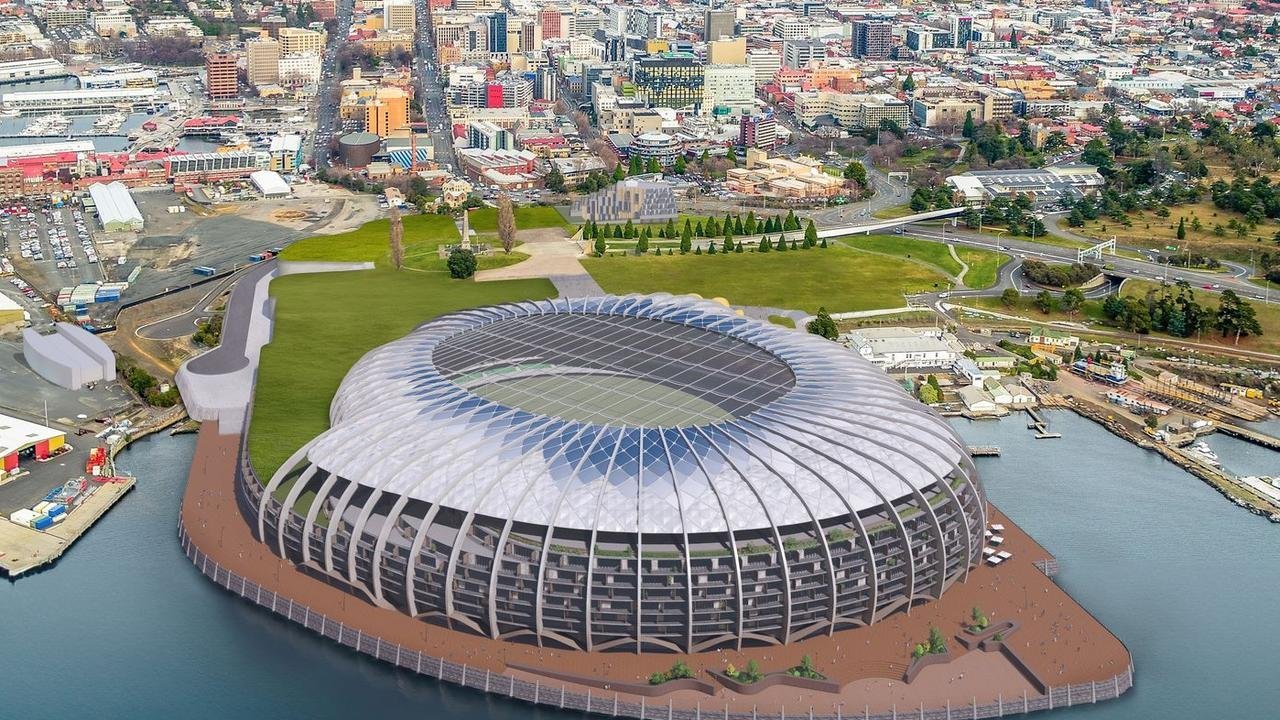
The bid to build Hobart’s proposed waterfront stadium has taken a dramatic turn, with a subsidiary of the Chinese government’s China State Construction Engineering Corporation making the shortlist for the $1.13 billion project.
Constructure Joint Venture, which includes the Chinese state-owned company, has been selected to tender for the Macquarie Point Stadium, alongside BESIX Watpac, which has previously worked on high-profile projects in Australia and New Zealand.
The inclusion of a Chinese state-owned company in the tender process has sparked concerns over national security and the potential for job losses among local workers.
The Tasmanian government hopes to award the contract by the end of 2026, but Labor has raised concerns over cost blowouts and the government’s track record on managing major infrastructure projects.
The China State Construction Engineering Corporation is one of the largest construction companies in the world, with 38 second-tier subsidiaries, 8 listed companies, and over 360,000 employees.




Its Australian-based subsidiary, China Construction Oceania, is also involved in the construction of Victoria’s North-East Link project. BESIX Watpac, on the other hand, has a strong track record of delivering major infrastructure projects in Australia and New Zealand.
The company was involved in the construction of the recently completed $600 million stadium in Christchurch, New Zealand, and has been selected by the Queensland government to be one of two final tenderers for the proposed Brisbane Stadium.
The Macquarie Point Stadium is a critical project for Tasmania, with the federal government contributing $240 million and the AFL contributing $15 million. The project has been approved by the parliament, despite concerns over cost blowouts and the potential impact on local businesses.
Analysis: What This Means for AustraliaThe inclusion of a Chinese state-owned company in the tender process for the Macquarie Point Stadium raises significant concerns over national security and the potential for job losses among local workers.
Security analysts warn that China’s growing influence in Australia’s construction industry poses a significant threat to national security and could compromise the integrity of critical infrastructure projects.
“The fact that a Chinese state-owned company is in the running for this project is a wake-up call for Australia,” said one security analyst.
“We need to be careful about who we’re doing business with and ensure that our national security interests are protected.”
The project also highlights the need for greater transparency and accountability in the tender process.
Labor has raised concerns over the government’s track record on managing major infrastructure projects, citing delays and cost blowouts in the delivery of the two new Spirit of Tasmania ferries.
“This project is a classic example of the Tasmanian government’s lack of transparency and accountability,” said Labor spokesperson for stadiums and sport, Luke Edmunds.
“We need to ensure that local workers are protected and that the government is held accountable for its decisions.”
Industry insiders warn that the project could also have significant economic implications for Tasmania, with concerns over cost blowouts and the potential for local businesses to be overlooked in favor of larger, interstate companies.
“The government needs to ensure that local businesses are given a fair chance to compete for this project,” said Master Builders Tasmania chief executive Jenna Cairney.
“We can’t afford to have local workers and businesses left behind in favor of interstate companies.”
The tender process for the Macquarie Point Stadium is expected to be highly competitive, with both Constructure Joint Venture and BESIX Watpac vying for the contract.
As the project moves forward, it’s clear that the stakes are high, not just for Tasmania, but for Australia’s national security and economic interests.
The bid to build Hobart’s proposed waterfront stadium has taken a dramatic turn, with a subsidiary of the Chinese government’s China State Construction Engineering Corporation making the shortlist for the $1.13 billion project. Constructure Joint Venture, which includes the Chinese state-owned company, has been selected to tender for the Macquarie Point Stadium, alongside BESIX Watpac, which has previously worked on high-profile projects in Australia and New Zealand.
The inclusion of a Chinese state-owned company in the tender process has sparked concerns over national security and the potential for job losses among local workers. The Tasmanian government hopes to award the contract by the end of 2026, but Labor has raised concerns over cost blowouts and the government’s track record on managing major infrastructure projects.
The China State Construction Engineering Corporation is one of the largest construction companies in the world, with 38 second-tier subsidiaries, 8 listed companies, and over 360,000 employees. Its Australian-based subsidiary, China Construction Oceania, is also involved in the construction of Victoria’s North-East Link project.
BESIX Watpac, on the other hand, has a strong track record of delivering major infrastructure projects in Australia and New Zealand. The company was involved in the construction of the recently completed $600 million stadium in Christchurch, New Zealand, and has been selected by the Queensland government to be one of two final tenderers for the proposed Brisbane Stadium.
The Macquarie Point Stadium is a critical project for Tasmania, with the federal government contributing $240 million and the AFL contributing $15 million. The project has been approved by the parliament, despite concerns over cost blowouts and the potential impact on local businesses.
The inclusion of a Chinese state-owned company in the tender process for the Macquarie Point Stadium raises significant concerns over national security and the potential for job losses among local workers. Security analysts warn that China’s growing influence in Australia’s construction industry poses a significant threat to national security and could compromise the integrity of critical infrastructure projects.
“The fact that a Chinese state-owned company is in the running for this project is a wake-up call for Australia,” said one security analyst. “We need to be careful about who we’re doing business with and ensure that our national security interests are protected.”
The project also highlights the need for greater transparency and accountability in the tender process. Labor has raised concerns over the government’s track record on managing major infrastructure projects, citing delays and cost blowouts in the delivery of the two new Spirit of Tasmania ferries.
“This project is a classic example of the Tasmanian government’s lack of transparency and accountability,” said Labor spokesperson for stadiums and sport, Luke Edmunds. “We need to ensure that local workers are protected and that the government is held accountable for its decisions.”
Industry insiders warn that the project could also have significant economic implications for Tasmania, with concerns over cost blowouts and the potential for local businesses to be overlooked in favor of larger, interstate companies.
“The government needs to ensure that local businesses are given a fair chance to compete for this project,” said Master Builders Tasmania chief executive Jenna Cairney. “We can’t afford to have local workers and businesses left behind in favor of interstate companies.”
The tender process for the Macquarie Point Stadium is expected to be highly competitive, with both Constructure Joint Venture and BESIX Watpac vying for the contract. As the project moves forward, it’s clear that the stakes are high, not just for Tasmania, but for Australia’s national security and economic interests.