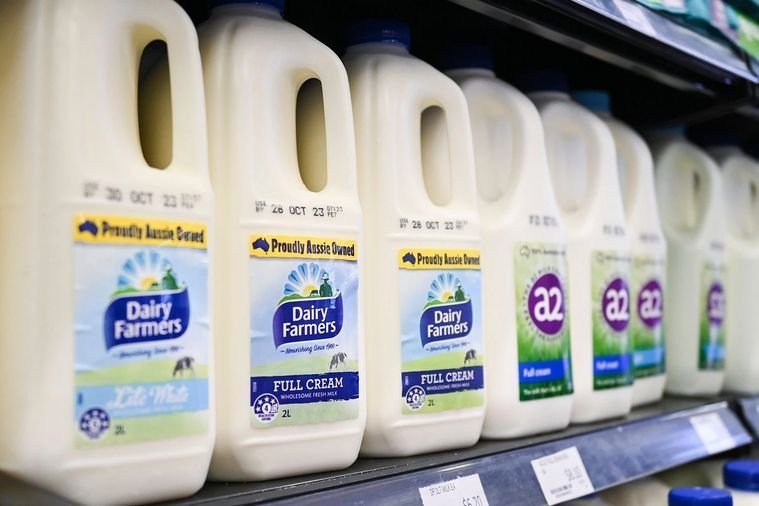
Dairy Farmers Warn of Milk Price Explosion: ‘Supermarkets Must Play Fair or Risk Industry Collapse’
- Australia’s dairy farmers are on the brink of disaster as surging diesel, fertiliser, and transportation costs threaten their livelihoods.
- Supermarkets have been accused of not doing enough to support farmers, with Woolworths’ 10-cent-per-litre increase for its Farmers Own Brand farmers deemed “sanctimonious” by Australian Dairy Farmers president Ben Bennett.
- A 20 per cent permanent rise in milk prices is being called for, which would see the price of milk skyrocket from $1.65 to closer to $2 per litre, with flow-on impacts to the entire dairy economy.
- The industry is already in decline, with the US-Iran war and surging oil costs adding to farmers’ woes, and the federal government’s fuel excise tax cut failing to ease the pain.
The dairy industry is on the precipice of disaster, and farmers are sounding the alarm.
With input costs soaring, the price of milk is set to skyrocket, and supermarkets are being urged to “play fair” or risk the viability of the entire industry.
The warning comes as Woolworths announced it would pay farmers directly linked to its Farmers Own Brand 10 cents more a litre, a move that will help around 20 farmers.
However, Australian Dairy Farmers president Ben Bennett says this simply doesn’t go far enough. “The supermarkets are just not playing a fair game,” he said.
“Woolies standing on the pillar of self righteousness, ‘oh, our 20 farmers we’ve given them 10 cents more’, but what about the other 3990 mate?”


The nation’s largest dairy company, Lactalis, will pay an additional five cents a litre to more than 800 farmers starting from May 1, but Bennett says this is still not enough.
“It’s going to have to be a reasonably significant hit at the counter,” he said.
“The supermarkets get their pound of flesh, the government will get theirs before going down the supply chain, the farmer is at the very end and hopefully we will get something out of a 20 per cent pay rise.”
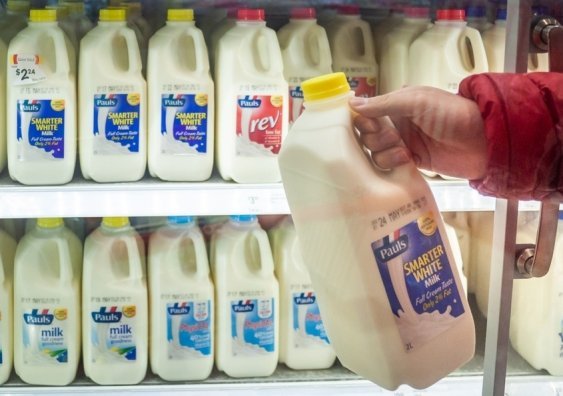
The price of milk is set to rise from $1.65 a litre to closer to $2 per litre for the home brand product, with flow-on impacts to other parts of the dairy economy.
This would see prices such as cheeses also likely to rise in line with higher milk costs. But Bennett says a bit of pain now for households would save a future headache for the industry.
“Farmers are pretty conservative, cautious and like to plan,” he said. “We have a complicated farming system and we simply have to look after our girls.
Sadly if we haven’t got enough funds coming in, we have to look after fewer cows.”
The industry is already in decline, with the US-Iran war and surging oil costs adding to farmers’ woes. The average price of diesel has soared 77 per cent since the start of the war, to well above $3 a litre.
This is largely tied to the diesel-yielding oil typically produced in the Middle East and exported to the rest of the world.
Adding to farmers’ woes is the price of fertiliser, which has soared from around $800 to $1800 a tonne, at the worst time for dairy farmers.
“Farming is seasonal,” Bennett said. “This time of year we put a lot of inputs into our farms.
We used to regenerate about 20 to 25 per cent of our herds per annum.”
It takes three years to get a calf ready to milk for production purposes, and Bennett warns that the current situation could have a long-term impact on the supply of milk.
“In these sort situations, it could have a long-term impact on the supply of milk because the farmers will simply cull more cows,” he said.
“We get paid good money for our surplus cows…
But the thing is we are in the game of milk not cows, so it is quick gratification to the bank balance to pay the bills but long term it is not so good.”
Analysis: What This Means for Australia
The dairy industry is a critical part of Australia’s agricultural sector, and the current crisis has significant implications for the country’s food security and economy.
The rise in milk prices will have a ripple effect throughout the entire dairy economy, impacting not just farmers but also consumers and the broader industry.
Security analysts say the situation highlights the need for greater support for Australian farmers and the importance of developing a more sustainable and resilient agricultural sector.
“The dairy industry is a critical part of Australia’s food security, and the current crisis is a wake-up call for the need for greater investment in the sector,” said one analyst.
Law enforcement insiders warn that the situation could also have implications for the black market, with the potential for increased smuggling and other illicit activities.
“The rise in milk prices could create an opportunity for organised crime groups to exploit the situation, and law enforcement agencies need to be vigilant in monitoring the situation,” said one insider.
Industry observers believe that the situation is a symptom of a broader issue, with the need for greater support for Australian farmers and the development of a more sustainable and resilient agricultural sector.
“The dairy industry is just one example of the challenges facing Australian farmers, and the need for greater support and investment in the sector is critical,” said one observer.
As the situation continues to unfold, it is clear that the dairy industry is at a critical juncture, and the need for urgent action is clear.
The question is, will supermarkets and the government take the necessary steps to support Australian farmers, or will the industry be left to collapse?