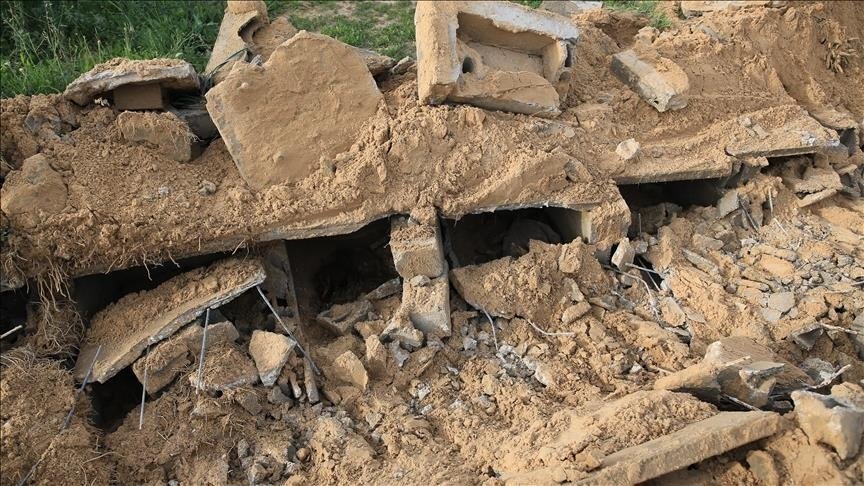
Israel’s Shame: Digger Graves Destroyed in Gaza as Family Demands Apology for ‘Obliterating’ War Heroes
- Almost 150 World War I graves, including that of Australian soldier Alfred Cork, were destroyed in Gaza by Israeli rockets and bulldozers
- The family of the 22-year-old soldier is demanding an apology from Israel, describing the destruction as “incredibly sad”
- The Israeli Defence Force claims the destruction was necessary to deal with “underground terrorist infrastructure”, but the move has sparked outrage among veterans and relatives
- The Australian government has faced pressure to restore the graves, but Veterans Affairs Minister Matt Keogh says it’s impossible for now
For Gwen Robins, the great niece of World War I soldier Alfred Cork, the destruction of her ancestor’s grave in Gaza is a devastating blow.
“I find that incredibly sad that these young men who travelled to the other side of the world and all of a sudden they’re just obliterated,” she told 7NEWS.
The 22-year-old soldier’s epitaph reads: “Bravely he answered his country’s call.
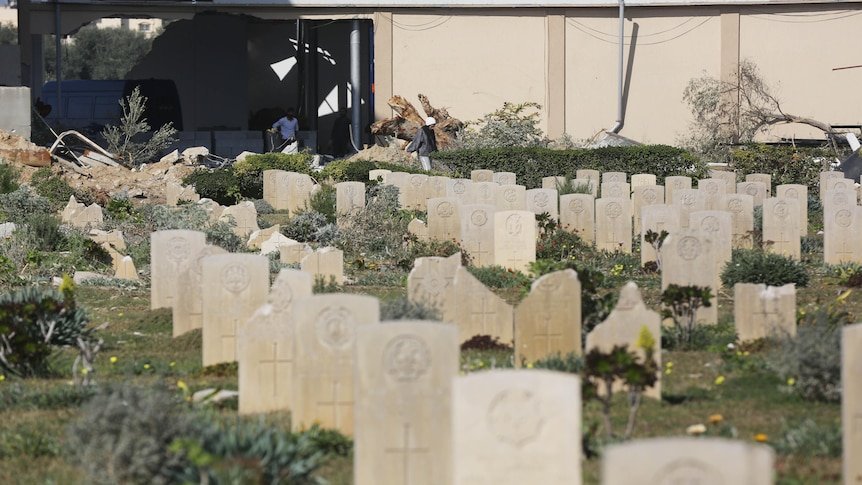
He gave his best, his life, his all.” But now, his final resting place is nothing more than a pile of rubble, destroyed by Israeli rockets and bulldozers.
The Deir El Belah Cemetery, where Cork and almost 150 other diggers were buried, was destroyed last year in a move that has sparked outrage among veterans and relatives.



The Israeli Defence Force claims the destruction was necessary to deal with “underground terrorist infrastructure”, but for the Jaradah family, who have cared for the Gaza War Cemetery for over 100 years, the move is a tragedy.
“It was the worst day of my life when I watched the graves break.
I felt my soul was snatched from me,” said Essam Jaradah, who is now unable to visit the site due to the IDF-enforced “yellow line”.
The destruction of the graves has caused a great deal of anguish for relatives and the broader Australian community, according to Veterans Affairs Minister Matt Keogh.
But despite pressure from the Australian, British, and Canadian governments, the restoration of the graves is impossible for now. The move has sparked a heated debate about the treatment of war graves and the impact of conflict on innocent civilians.
Analysis: What This Means for Australia
The destruction of the World War I graves in Gaza has significant implications for Australia’s national security and our relationship with Israel.
Security analysts say the move highlights the risks of conflict in the region and the need for Australia to take a strong stance on the protection of war graves.
“This is a wake-up call for Australia to re-examine its foreign policy and ensure that we’re doing everything we can to protect our war heroes and their families,” said one analyst.
Law enforcement insiders warn that the destruction of the graves could also have implications for Australia’s counter-terrorism efforts. “If we’re not taking care of our own war heroes, how can we expect to take care of our own citizens?” said one insider.
Industry observers believe that the move could also have economic consequences, damaging Australia’s reputation as a nation that respects and honours its war dead.
For Gwen Robins and the family of Alfred Cork, the destruction of the graves is a personal tragedy.
But for Australia, it’s a wake-up call to take a stronger stance on the protection of war graves and the impact of conflict on innocent civilians.
As one expert said, “This is not just about the destruction of graves, it’s about the destruction of our values and our way of life.”
war graves national security Australian War Memorial