Australian Travellers Face Flight Frenzy as Iran War Sparks Soaring Prices and Cancellations: ‘We’re Being Held Hostage by Airlines’
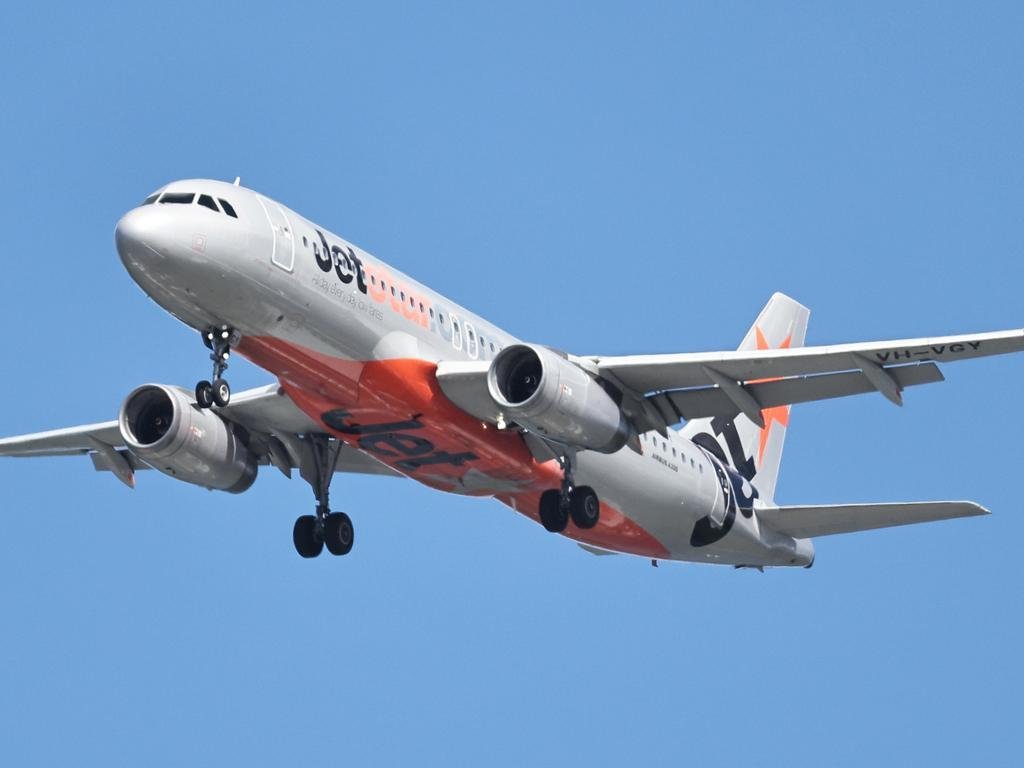
- Thousands of flights cancelled globally since the conflict began, with Middle Eastern carriers slashing fares while Asian and American airlines charge triple the price
- Australian travellers face soaring prices, with some flights increasing by hundreds of dollars, leaving many reconsidering their travel plans
- Experts warn of critical jet fuel shortages in Europe, potentially leading to further price hikes and cancellations for Australian travellers
- Holiday-makers and businesses alike are left in uncertainty as the conflict drags on, with many fearing they’ll be priced out of their dream trips
The ongoing conflict in the Middle East has sent shockwaves through the aviation industry, leaving Australian travellers facing a flight frenzy of soaring prices and cancellations.
For Melbourne mum Rose, the crisis has turned her family’s dream trip to China into a nightmare.
After an unexpected surgery, Rose tried to reschedule her flights, only to find the price had quadrupled to over $2,000 – a staggering increase from the original $500 she paid.
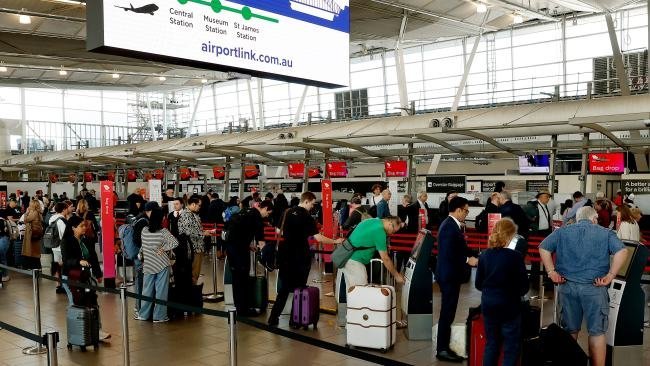
Rose’s experience is not an isolated incident. Thousands of flights have been cancelled globally since the conflict began, with Middle Eastern carriers slashing fares to stay competitive.
However, Asian and American airlines are charging triple the price for the same routes, leaving many Australian travellers feeling like they’re being held hostage by airlines.
According to Chrystal Zhang, an associate professor of aviation at RMIT University, Chinese carriers are adjusting their capacity in response to market demand and spiking fuel prices.
The crisis has also raised concerns about the impact on Australian communities and businesses.
Town planner Eric Smith and his partner Warren were hoping to spend their first Christmas together in the UK with Warren’s family, but the soaring prices have put their plans in doubt.
“I’m optimistic we’ll be able to afford it, but Warren has basically given up on the idea because ticket prices are so much more expensive,” Mr Smith said.
As the conflict drags on, experts are warning of critical jet fuel shortages in Europe, potentially leading to further price hikes and cancellations for Australian travellers.
The International Energy Agency said supplies could reach a critical level as early as June unless shipments cut off from the Middle East can be replaced.
This uncertainty is weighing heavily on the minds of holiday-makers and businesses alike.
Analysis: What This Means for Australia
The ongoing conflict in the Middle East has significant implications for Australia’s national security and economy. The soaring prices and cancellations are not only affecting individual travellers but also having a broader impact on the country’s tourism and trade industries.
As the crisis continues to unfold, it’s essential for the Australian government to work closely with airlines and industry stakeholders to mitigate the effects and ensure the country’s aviation sector remains competitive.
Law enforcement and border control agencies must also be vigilant in monitoring the situation, particularly with the introduction of new digital systems at Australian airports.
The fingerprinting and face-scanning of travellers from Europe will add an extra layer of security, but it’s crucial that these measures are implemented efficiently to avoid further disruptions to air travel.
Security analysts say the conflict highlights the need for Australia to diversify its energy sources and reduce its reliance on Middle Eastern oil. This could involve investing in renewable energy and exploring alternative fuel sources, such as biofuels.
Industry observers believe the crisis will lead to a shift in consumer behaviour, with travellers becoming more cautious and planning their trips well in advance to avoid price hikes.
This could result in a more sustainable and resilient aviation industry in the long term.
For now, Australian travellers can only hope that the conflict is resolved soon, and the aviation industry returns to normal.
As Rose so eloquently put it, “We’re being held hostage by airlines, and it’s not fair.” The Australian government and industry stakeholders must work together to ensure that travellers are protected and the country’s aviation sector remains competitive in these uncertain times.