Australia’s Wealth Gap to Be Squeezed in Budget Shake-Up: Treasurer Jim Chalmers Vows to Tackle ‘Intergenerational Unfairness’
- Treasurer Jim Chalmers to target intergenerational wealth in this year’s budget, citing ‘unfairness’ in the tax system and housing market
- Capital gains tax to be overhauled, potentially reversing 50 per cent discount introduced in 1999
- NDIS and superannuation also in focus, with changes aimed at making the disability scheme more sustainable and affordable
- Budget to include tax reform, productivity push, and savings, with details to be revealed on May 12
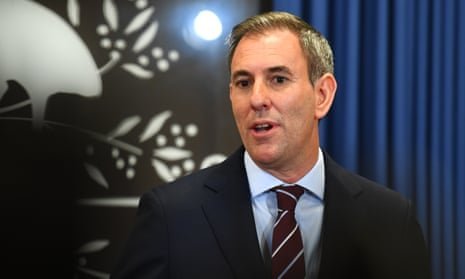
Australia’s wealth gap is set to be squeezed in a budget shake-up, with Treasurer Jim Chalmers vowing to tackle ‘intergenerational unfairness’ in the tax system and housing market.
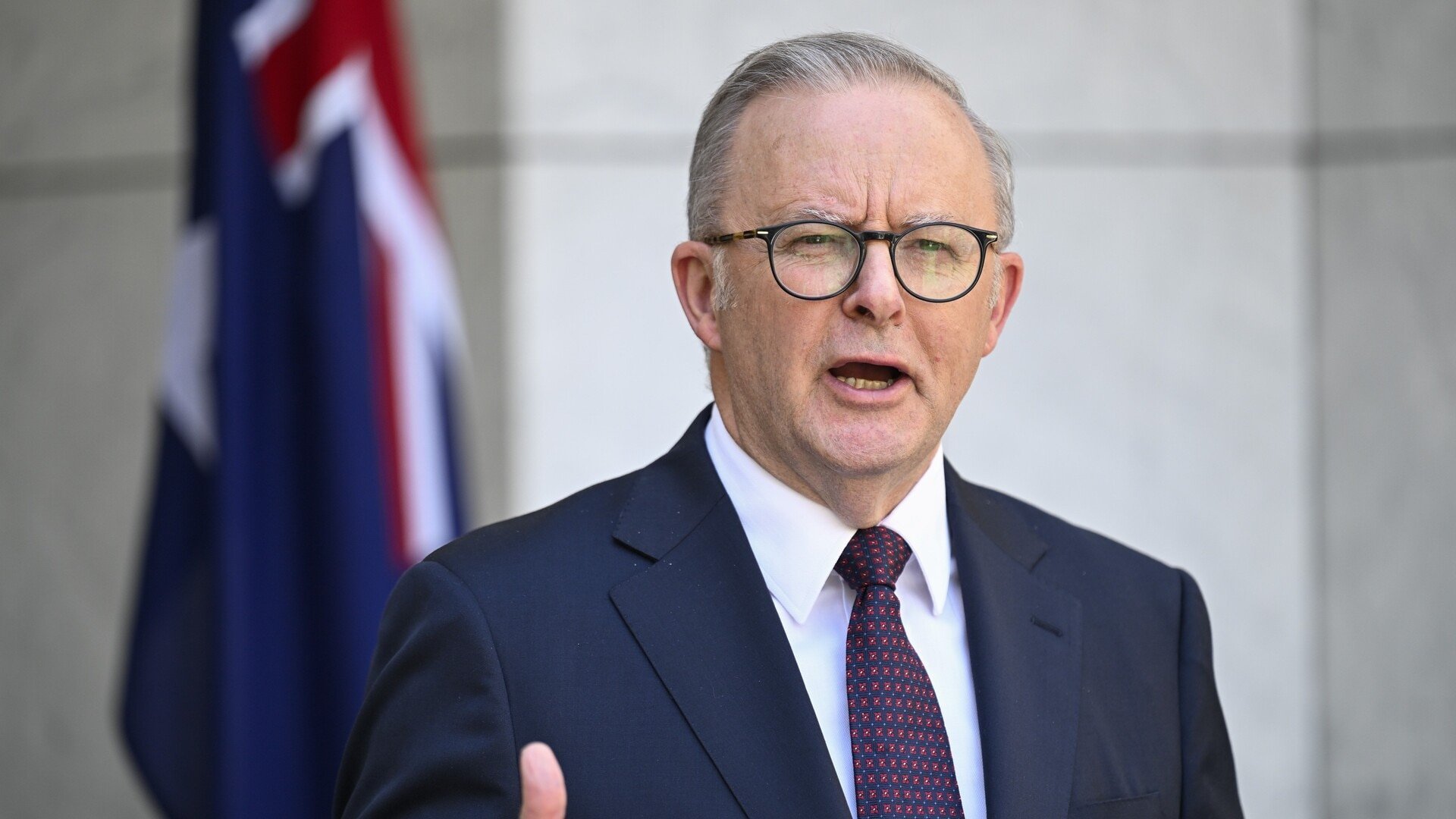
In a press conference on Monday, Chalmers hinted at a range of potential tax reforms, including a possible overhaul of the capital gains tax.
The treasurer said the government has been ‘really upfront’ about its approach to wealth passed down between generations, and is working to address the issue in a ‘responsible way’.
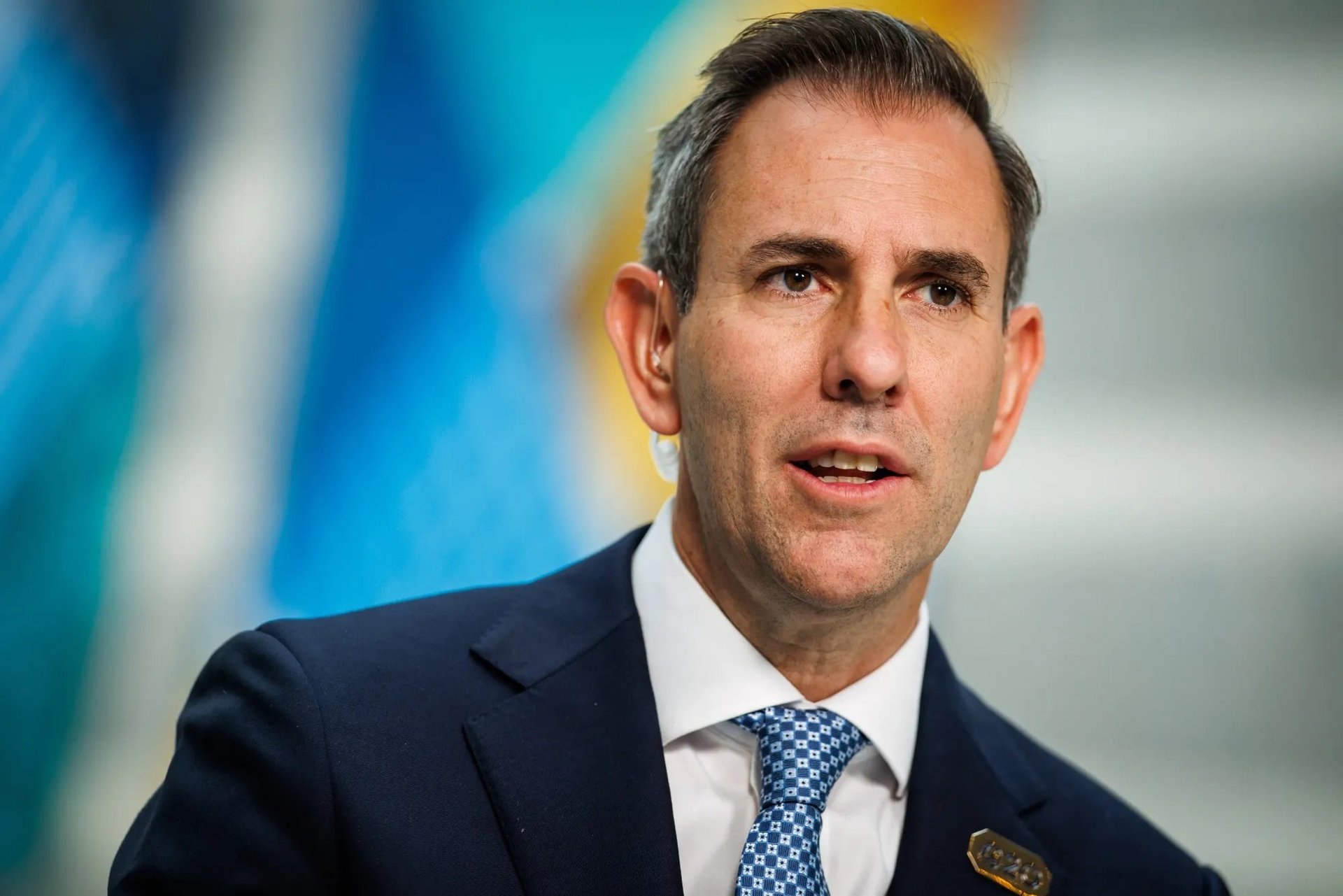
The capital gains tax system has been a contentious issue, with critics arguing that the current 50 per cent discount introduced in 1999 has led to a widening of the wealth gap.
Chalmers suggested that the system may be reversed, with a return to the original format that used indexation to adjust asset values for inflation. This would mean that tax would only be applied to a property’s real increase in value, rather than the entire sale price.


The housing market is a key area where intergenerational issues are ‘most obvious’, according to Chalmers. He said that the government is ‘considering a whole range of changes’ to address the issue, but details are yet to be confirmed.
The treasurer added that the budget will be ‘responsible, focused on resilience and reform’, with a focus on cutting compliance costs and improving productivity.
The NDIS will also be a major focus of the budget, with Chalmers planning to meet with counterparts from the states and territories on Tuesday.
The treasurer said that the scheme is ‘growing too fast for Australians to afford’, with estimated costs reaching $62 billion in the 2028-29 financial year.
He vowed to make changes to ensure the scheme remains sustainable and affordable, while maintaining the high standard of care for those who rely on it.
Analysis: What This Means for Australia
The proposed changes to the capital gains tax and NDIS have significant implications for Australia’s economic and social landscape.
The overhaul of the capital gains tax system could lead to a more equitable distribution of wealth, with those who have accumulated wealth through property investments contributing more to the tax base.
However, it may also lead to a decrease in property prices, as investors factor in the potential for higher taxes.
The changes to the NDIS, on the other hand, aim to address the growing cost of the scheme and ensure its sustainability. This is crucial for the millions of Australians who rely on the NDIS for support and care.
However, it also raises concerns about the potential impact on the disability sector, with some arguing that the changes may lead to reduced funding and services.
Security analysts say that the proposed changes to the tax system and NDIS are a step in the right direction, but more needs to be done to address the underlying issues driving intergenerational inequality.
‘The budget is a start, but it’s just the beginning,’ said one analyst. ‘We need to see sustained effort and commitment to addressing the root causes of inequality, rather than just treating the symptoms.’
Law enforcement insiders warn that the changes to the tax system may lead to increased scrutiny of high-net-worth individuals and corporations, with a potential increase in tax avoidance and evasion.
‘We’re already seeing a rise in complex tax schemes and structures,’ said one insider. ‘The government needs to be vigilant and ensure that the tax system is robust and able to withstand these challenges.’
Industry observers believe that the proposed changes to the NDIS will have a significant impact on the disability sector, with a potential shift towards more sustainable and affordable models of care.
‘The sector is ripe for disruption,’ said one observer. ‘The government needs to be brave and take bold action to ensure that the NDIS is sustainable and equitable for all Australians.’