Australian Food Prices Set to Soar as Middle East War Disrupts Supply Chain
- Fresh food prices to rise as war in the Middle East disrupts Australia’s supply of fuel and fertiliser
- Dairy, meat, fruit, and vegetable production costs skyrocket as farmers struggle with high fertiliser, fuel, and energy costs
- Regional areas to be hit hardest by price rises, with transport costs set to increase due to longer distances from metropolitan distribution centres
- Experts warn of inflationary pressures and potential interest rate hikes as prices continue to rise
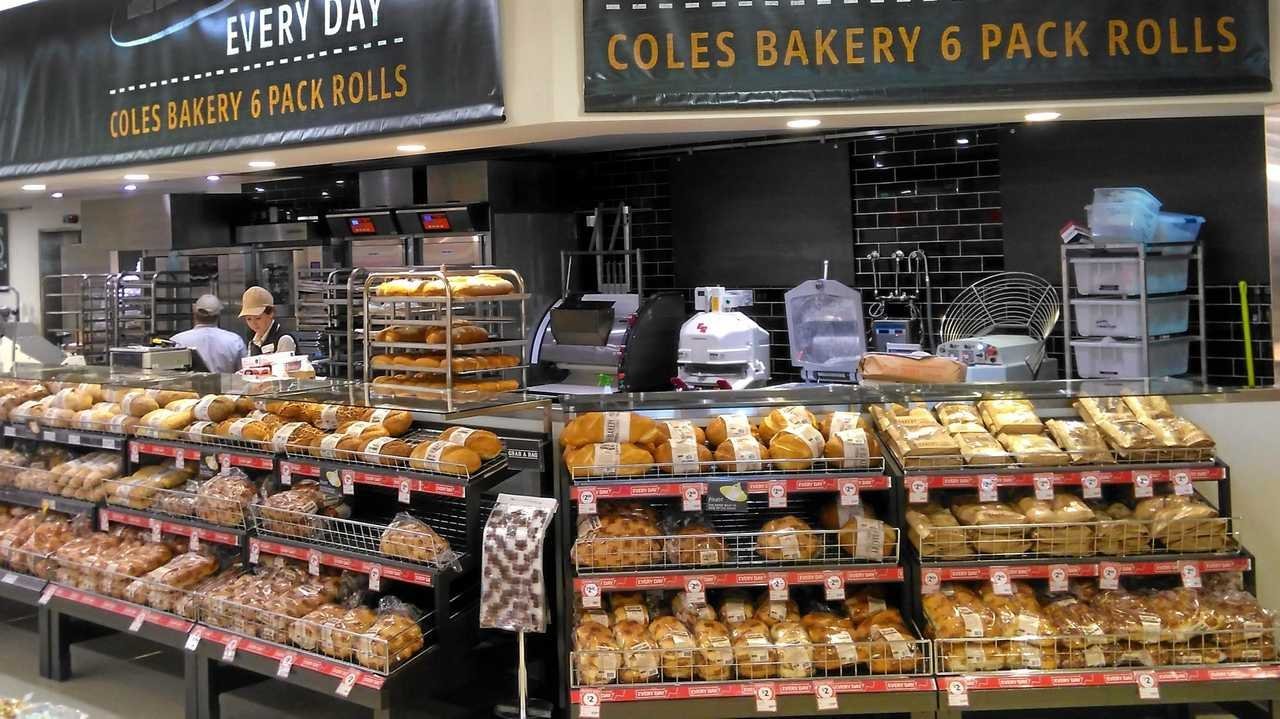
The ongoing war in the Middle East is set to have a devastating impact on Australian food prices, with fresh produce, dairy, and meat set to rise significantly in the coming weeks.
The effects of the shortages are being felt across the supply chain, with farmers paying more to grow food and transport costs increasing due to the high price of fuel.
Ritchies IGA chief executive Fred Harrison warned that food prices would rise across the board in all supermarkets, with milk likely to increase by about 15 cents per litre.
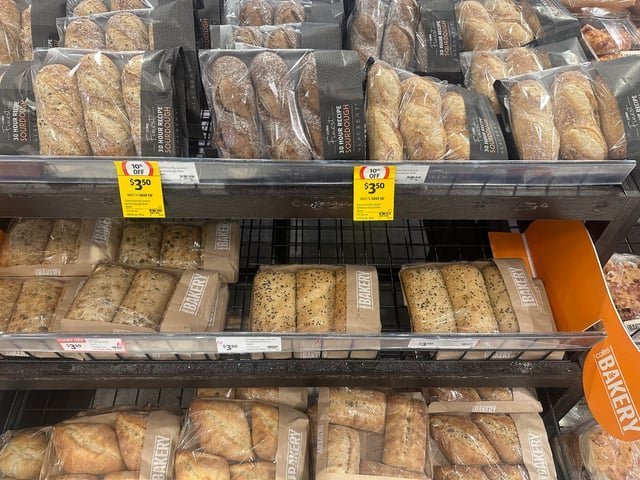
“The farmers will directly benefit, some of the increases that are coming through will be paid directly to the farmers to help with things like fertiliser and transport,” he said.
The price of dairy items is likely to increase the most, as farmers deal with high fertiliser, fuel, and energy costs.




South-west Victorian farmer Ben Bennett said the price of fertiliser had moved from $800 a tonne to $1,800 in just six weeks, and the availability of fertiliser was questionable.
“The price of dairy goods has to go up; if it doesn’t, the viability of the dairy industry is going to be in question,” he said.
Bennett, who is also president of Australian Dairy Farmers, said the price of milk in supermarkets needed to rise by 30 cents per litre to support farmers and freight operators.
“Home brand milk is sitting at about $1.65, so if we kept it under two bucks, at say $1.95, everyone will get [a benefit],” he said.
Regional areas will be hit hardest by the price rises, as more fuel is required to transport goods further distances from metropolitan distribution centres.
Market analyst Matt Dalgleish said the cost of fuel and fertiliser was flowing through the supply chain, and metro areas would likely see a 2 or 3 per cent increase across the board.
Dalgleish warned that even if the war were to conclude this week, food prices would still spike due to delays in the supply chain.
“Because of the delays in the supply chain, we’re still going to see high prices for at least a month after that, possibly longer,” he said.
Executive officer of the Horticulture Council of the National Farmers Federation, Richard Shannon, said households should expect to pay more at the checkout, as farmers asked supermarkets for price increases to bolster confidence in the sector.
“Between the grower and the consumer, there are huge corporates, supermarkets, who are posting billion-dollar profits — we all need to wear the fair share of the burden,” he said.
A recent Victorian Farmers Federation survey reported production declines of 30 per cent, as farmers reduced how much they were planting due to fuel and fertiliser costs.
Fruit and vegetable growers are delaying planting due to high fertiliser prices, and the effect of higher interest rates and fuel at the bowser is already changing consumer behaviour.
As the situation continues to unfold, one thing is certain: Australian consumers will be feeling the pinch. With prices set to rise across the board, it’s essential to consider the broader implications of the Middle East war on Australia’s food supply chain.
Analysis: What This Means for Australia
The impact of the Middle East war on Australia’s food prices is a stark reminder of the country’s reliance on international trade and the vulnerability of its supply chains.
As the situation continues to unfold, it’s essential to consider the national security implications of Australia’s food security.
The Australian government must take steps to support farmers and the agricultural industry, which is facing unprecedented challenges due to the war. This includes providing financial assistance to farmers and investing in initiatives that promote food security and self-sufficiency.
The war also highlights the need for Australia to diversify its trade relationships and reduce its reliance on international markets. This can be achieved by investing in domestic industries and promoting trade with countries that are less likely to be affected by global conflicts.
Ultimately, the impact of the Middle East war on Australia’s food prices serves as a wake-up call for the country to take a more proactive approach to its food security and national security.
By taking steps to support farmers, promote self-sufficiency, and diversify trade relationships, Australia can reduce its vulnerability to global conflicts and ensure a more stable food supply chain.
Security analysts say that the war in the Middle East is a stark reminder of the importance of national security and the need for countries to be prepared for unexpected events.
The Australian government must take a proactive approach to national security and invest in initiatives that promote food security and self-sufficiency.
Law enforcement insiders warn that the impact of the war on Australia’s food prices could have broader implications for the country’s social cohesion and community stability.
As prices rise, there is a risk that some members of the community may become increasingly desperate and turn to crime.
Industry observers believe that the war in the Middle East is a wake-up call for Australia to take a more proactive approach to its food security and national security.
By investing in domestic industries and promoting trade with countries that are less likely to be affected by global conflicts, Australia can reduce its vulnerability to global conflicts and ensure a more stable food supply chain.