Groundbreaking New Rules Allow Thousands More LGBTQIA+ Australians to Donate Blood and Save Lives
- Landmark change to eligibility criteria scraps three-month sex ban for gay and bisexual men in long-term relationships
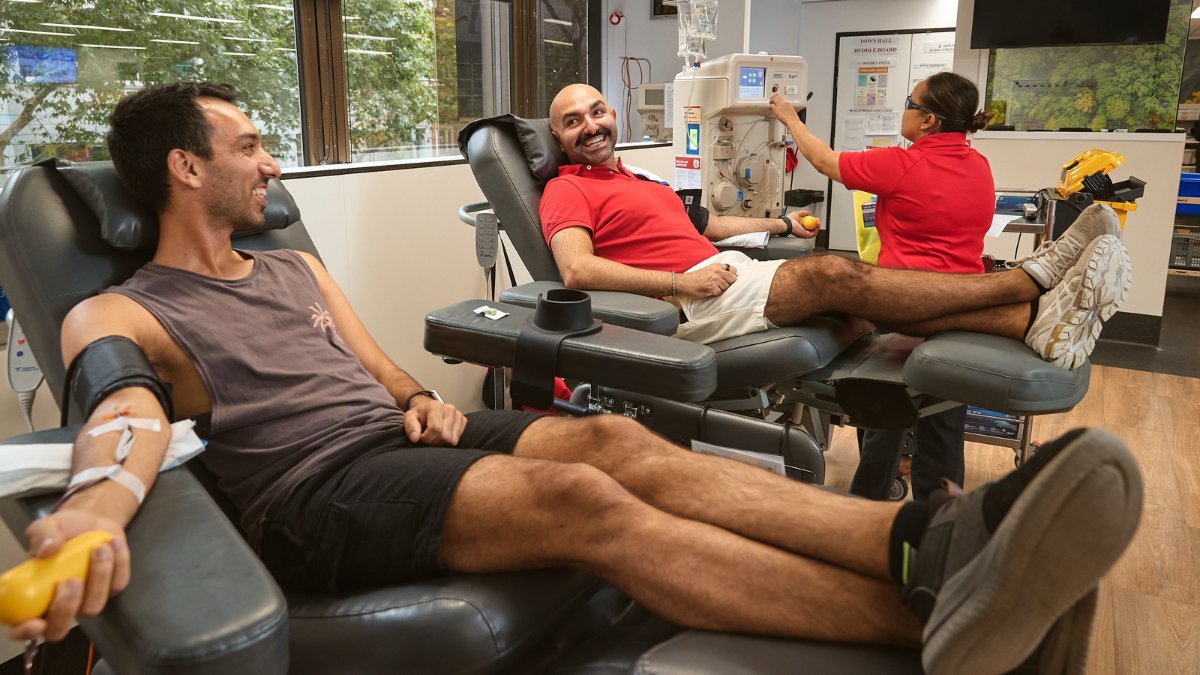
- Thousands more people from the LGBTQIA+ community can now roll up their sleeves to donate blood and platelets
- Lifeblood CEO hails the move as a ‘turning point’ in the fight against stigma and a major boost to the nation’s blood supply
- But some individuals will still be barred from donating blood – and will instead be encouraged to give plasma
The wait is over for thousands of Australians who’ve been desperate to donate blood but were previously locked out due to outdated rules. From today, all potential donors will be asked the same questions about their sexual activity, regardless of gender or sexual orientation.
The move is a significant milestone in the fight against stigma and a major win for the LGBTQIA+ community, which has been advocating for change for years.
At the heart of the change is a revised eligibility criteria that allows gay and bisexual men in long-term relationships to donate blood, providing they meet certain requirements.
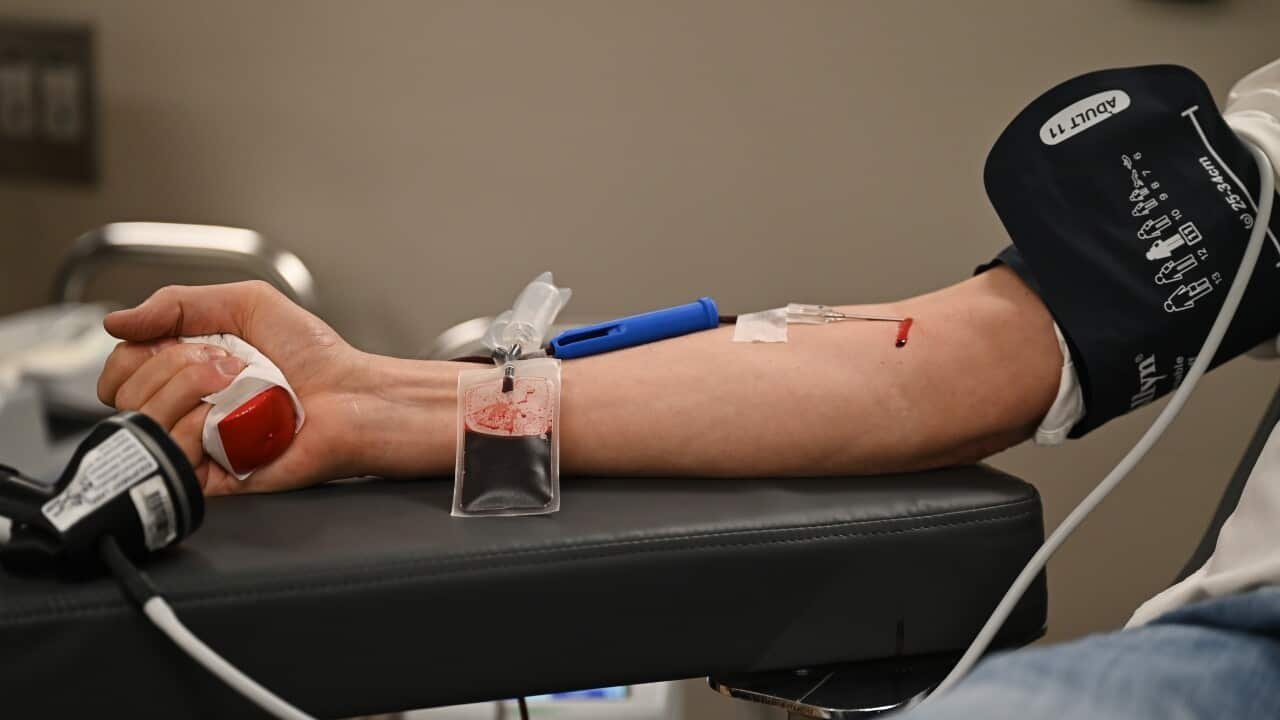
It’s a far cry from the previous rules, which barred many people in the LGBTQIA+ community from donating if they’d had sex in the past three months.
The changes are the result of tireless work by Lifeblood, governments, advocacy groups, and the broader community. So, what’s behind the change?




According to Lifeblood CEO Stephen Cornelissen AM, it’s all about striking the right balance between patient safety and inclusivity.
“We know previous rules have been difficult for people in the LGBTQIA+ community, so we’d like to thank them for their support during this journey towards a more inclusive donation experience,” he said.
While patient safety remains paramount, the new rules are underpinned by research and evidence that demonstrate they’re safe. But the changes won’t open the floodgates to all would-be donors.
Some individuals will still be barred from donating blood due to concerns about safety – but they’ll be encouraged to give plasma instead.
Last year’s changes to plasma donation rules already allowed sex workers and members of the LGBTQIA+ community to donate plasma, even if they’d had sex in the past three months.
The result? A staggering 10,000 donations from 3,000 new donors.
Analysis: What This Means for AustraliaThe changes to blood donation rules are a significant step forward for Australia’s LGBTQIA+ community, but they also have broader implications for the nation’s health system.
With a growing and aging population, the demand for blood donations is only set to increase.
By welcoming more donors into the fold, Lifeblood is helping to future-proof the nation’s blood supply and ensure that patients receive the life-saving treatments they need.
The move is also a major win for advocates who’ve been pushing for change for years. “This is a huge step forward in the fight against stigma and discrimination,” said one advocate.
“We’re thrilled that Lifeblood has listened to the community and made these changes, which will make a real difference to people’s lives.”
Security analysts say the changes are also a significant boost to national security, as a robust blood supply is critical in the event of a major emergency or disaster.
“A strong and inclusive blood donation system is essential for any country’s health security,” said one expert. “These changes will help ensure that Australia is better prepared to respond to any situation that may arise.”
The wait is over for thousands of Australians who’ve been desperate to donate blood but were previously locked out due to outdated rules. From today, all potential donors will be asked the same questions about their sexual activity, regardless of gender or sexual orientation. The move is a significant milestone in the fight against stigma and a major win for the LGBTQIA+ community, which has been advocating for change for years.
At the heart of the change is a revised eligibility criteria that allows gay and bisexual men in long-term relationships to donate blood, providing they meet certain requirements. It’s a far cry from the previous rules, which barred many people in the LGBTQIA+ community from donating if they’d had sex in the past three months. The changes are the result of tireless work by Lifeblood, governments, advocacy groups, and the broader community.
So, what’s behind the change? According to Lifeblood CEO Stephen Cornelissen AM, it’s all about striking the right balance between patient safety and inclusivity. “We know previous rules have been difficult for people in the LGBTQIA+ community, so we’d like to thank them for their support during this journey towards a more inclusive donation experience,” he said. While patient safety remains paramount, the new rules are underpinned by research and evidence that demonstrate they’re safe.
But the changes won’t open the floodgates to all would-be donors. Some individuals will still be barred from donating blood due to concerns about safety – but they’ll be encouraged to give plasma instead. Last year’s changes to plasma donation rules already allowed sex workers and members of the LGBTQIA+ community to donate plasma, even if they’d had sex in the past three months. The result? A staggering 10,000 donations from 3,000 new donors.
The changes to blood donation rules are a significant step forward for Australia’s LGBTQIA+ community, but they also have broader implications for the nation’s health system. With a growing and aging population, the demand for blood donations is only set to increase. By welcoming more donors into the fold, Lifeblood is helping to future-proof the nation’s blood supply and ensure that patients receive the life-saving treatments they need.
The move is also a major win for advocates who’ve been pushing for change for years. “This is a huge step forward in the fight against stigma and discrimination,” said one advocate. “We’re thrilled that Lifeblood has listened to the community and made these changes, which will make a real difference to people’s lives.”
Security analysts say the changes are also a significant boost to national security, as a robust blood supply is critical in the event of a major emergency or disaster. “A strong and inclusive blood donation system is essential for any country’s health security,” said one expert. “These changes will help ensure that Australia is better prepared to respond to any situation that may arise.”