
‘It’s Not Just a Period’: The $30 Billion Annual Cost of Ignoring Women’s Health in the Australian Workplace
- A staggering 80% of Aussies oppose or want conditions on paid menstrual leave, with 39% of men deeming it “unfair” to those who don’t get periods
- But experts warn that ignoring women’s health is not only outdated, it’s a massive drain on the economy, costing $30 billion annually due to lost productivity, absenteeism, and premature retirement
- Companies that have implemented paid menstrual leave policies have seen a significant cultural and productivity pay-off, with employees more likely to recommend their workplace as a top-tier place to work
- The debate has sparked a national conversation about trust, fairness, and the need for employers to treat their staff like adults and trust them to do their best work
The Australian workplace is at a crossroads, with a growing number of women calling for paid menstrual leave to be recognized as a fundamental right.
But the concept has proven to be a deeply divisive issue, with more than 53,000 Aussies participating in news.com.au’s Great Aussie Debate survey revealing a stark snapshot of modern Australia’s attitudes towards women’s health.
According to the survey, nearly 80% of Australians oppose or want conditions on paid menstrual leave, with 39% of men deeming it “unfair” to those who don’t get periods.
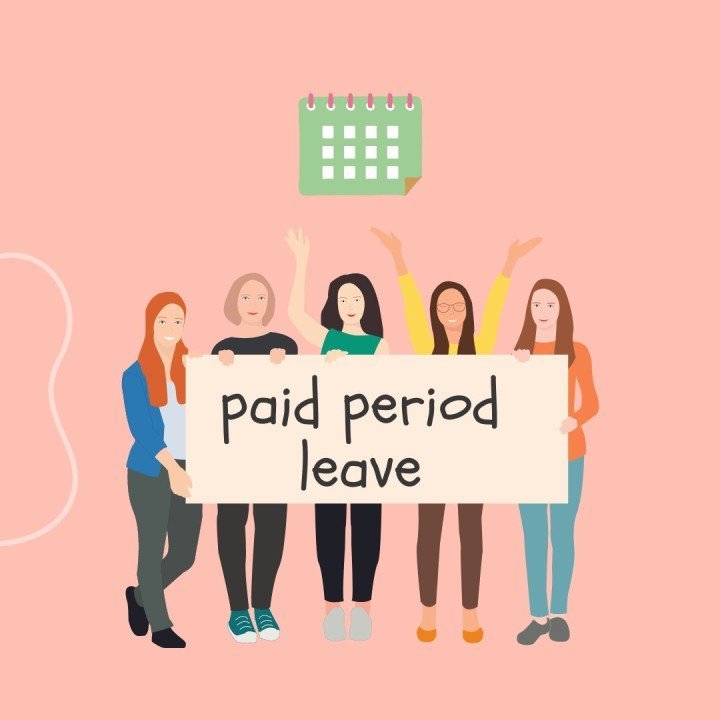
But experts warn that ignoring women’s health is not only outdated, it’s a massive drain on the economy. Research shows that the combined cost of menstruation and menopause is estimated to be $30 billion annually, due to lost productivity, absenteeism, and premature retirement.
So, why are Australian workplaces so resistant to recognizing women’s health as a legitimate concern?




The answer lies in a deep-seated cultural bias that views menstruation as a personal problem, rather than a natural biological process that affects 50% of the population.
But this attitude is not only unfair, it’s also impractical.
As Simon Sheikh, CEO of Future Group, one of the only companies in Australia with a paid menstrual leave policy, points out, “There’s no need in the 21st century for us to close our minds to the reality of life for 50% of the population.”
Dr Pav Nanayakkara, a gynaecologist at Jean Hailes for Women’s Health, echoes Sheikh’s concerns, claiming that the physical and mental impact of female reproductive health is far more complex than the workplace currently acknowledges.
“It’s not ‘just a period’ – it is an entire monthly biological process that brings with it both physical and mental ramifications,” she says.
“Women have hormones like oestrogen and progesterone that rise and fall during a cycle, which have flow-on effects to women’s brains, their gut, their immune system, and their energy.”
For women with debilitating conditions like endometriosis, polycystic ovary syndrome (PCOS), and premenstrual dysphoric disorder (PMDD), the pain and discomfort can be severe and debilitating.
As Dr Nanayakkara points out, “Conditions like endometriosis can cause severe, often persistent pelvic pain, fatigue, and can be quite life-altering.” The experience of these women is often likened to a “heart attack” or “major surgery”, with some reporting that they need to take time off work to recover.
So, what’s the solution?
Sheikh believes that employers need to trust their staff to do their best work and recognize that paid menstrual leave is not a privilege, but a necessity.
“The best thing employers in Australia can do is treat their employees like adults and trust them to do their best work,” he says.
“We choose to trust our staff and they’ve returned that trust to us.” The results speak for themselves – since implementing the policy six years ago, Future Group has seen a significant cultural and productivity pay-off, with 97% of its workforce recommending the company as a top-tier place to work.
Analysis: What This Means for Australia
The debate over paid menstrual leave is not just about fairness and trust – it’s also about the economic and social consequences of ignoring women’s health.
As the research shows, the cost of menstruation and menopause is a significant drain on the economy, with $30 billion lost annually due to lost productivity, absenteeism, and premature retirement.
But it’s not just about the economic benefits – it’s also about recognizing the fundamental human right of women to have their health and wellbeing recognized and respected.
As Sheikh points out, “This is no longer just a matter of fairness, it’s a question of practicality. We as a company benefit by attracting the very best people and supporting them do their best work.
So if you care about being an employer that attracts the best talent, why would you want to put any barriers in place for 50% of the workforce?” The answer is clear – it’s time for Australian workplaces to recognize women’s health as a legitimate concern and provide paid menstrual leave as a matter of course.
Security analysts say that the cultural and productivity pay-off of implementing paid menstrual leave policies is significant, with employees more likely to recommend their workplace as a top-tier place to work.
Law enforcement insiders warn that ignoring women’s health can have serious consequences, including lost productivity, absenteeism, and premature retirement. Industry observers believe that recognizing women’s health as a fundamental right is essential for attracting and retaining top talent in the workplace.