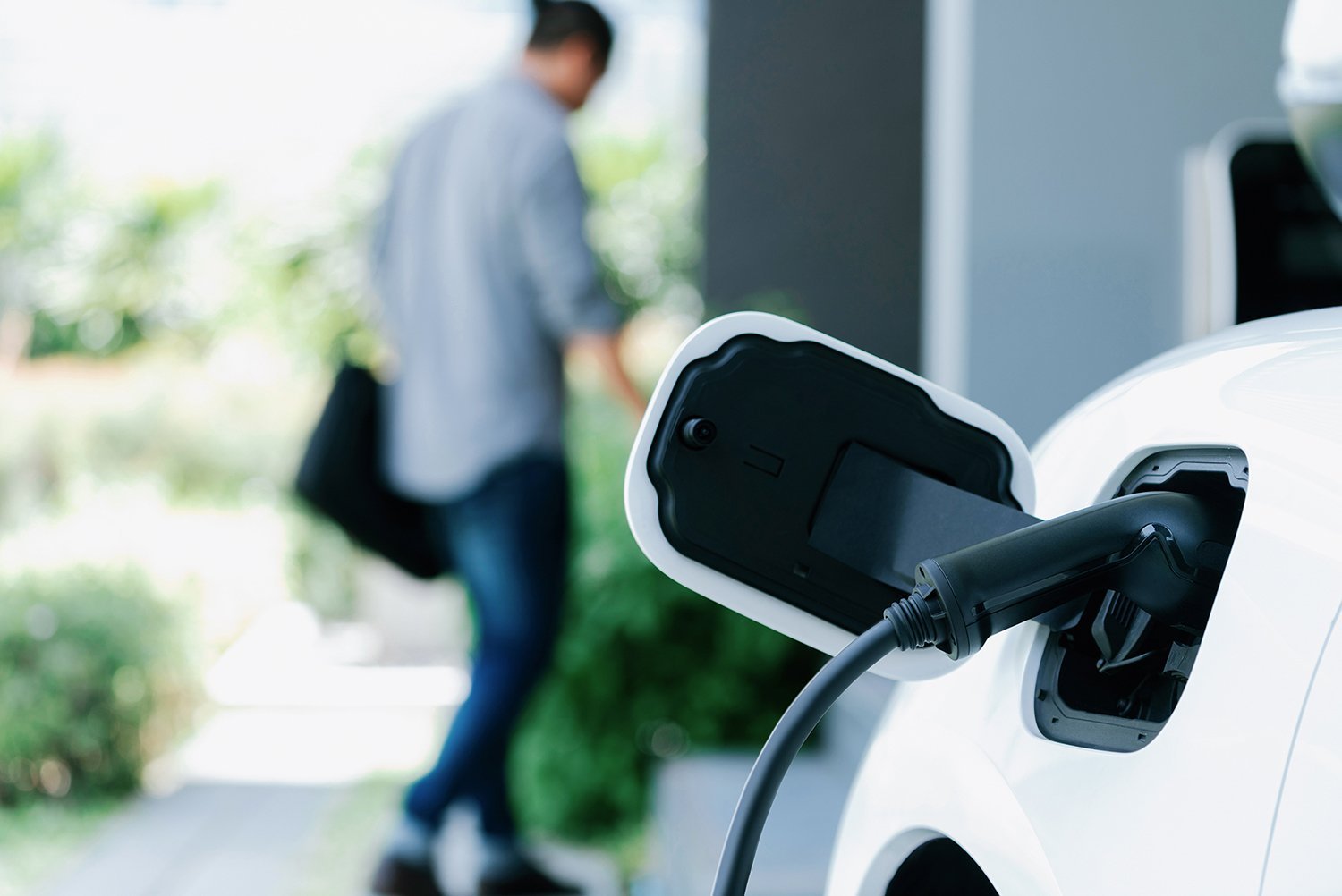
Fuel Supply Crisis Sparks Electric Revolution: Aussies Flock to Battery-Powered Vehicles as Petrol Prices Soar
- Australia’s fuel supply crisis has triggered a surge in demand for electric vehicles, with a staggering 34% of Aussies now considering an EV for their next car.
- Just two months ago, the number of people considering an EV had declined to 14.3%, but the fuel shortage has sparked a dramatic shift in consumer attitudes.
- Car manufacturers are scrambling to meet the demand, with brands like Hyundai, BYD, and GAC recording thousands of orders for electric vehicles.
- The Australian Automotive Dealer Association reports a 138% increase in used EV sales in just one month, as Aussies look for alternatives to skyrocketing petrol prices.
The Great Aussie Debate survey, which polled over 53,000 Aussies, revealed a stark change in attitudes towards electric vehicles. While the number of people considering an EV had been declining in recent years, the fuel supply crisis has sent demand soaring.
In February, just 14.3% of respondents said they would consider an EV for their next car, but a follow-up poll in March saw that number more than double to 34%.
The data suggests that the fuel crisis has been the catalyst for this shift in consumer behavior.
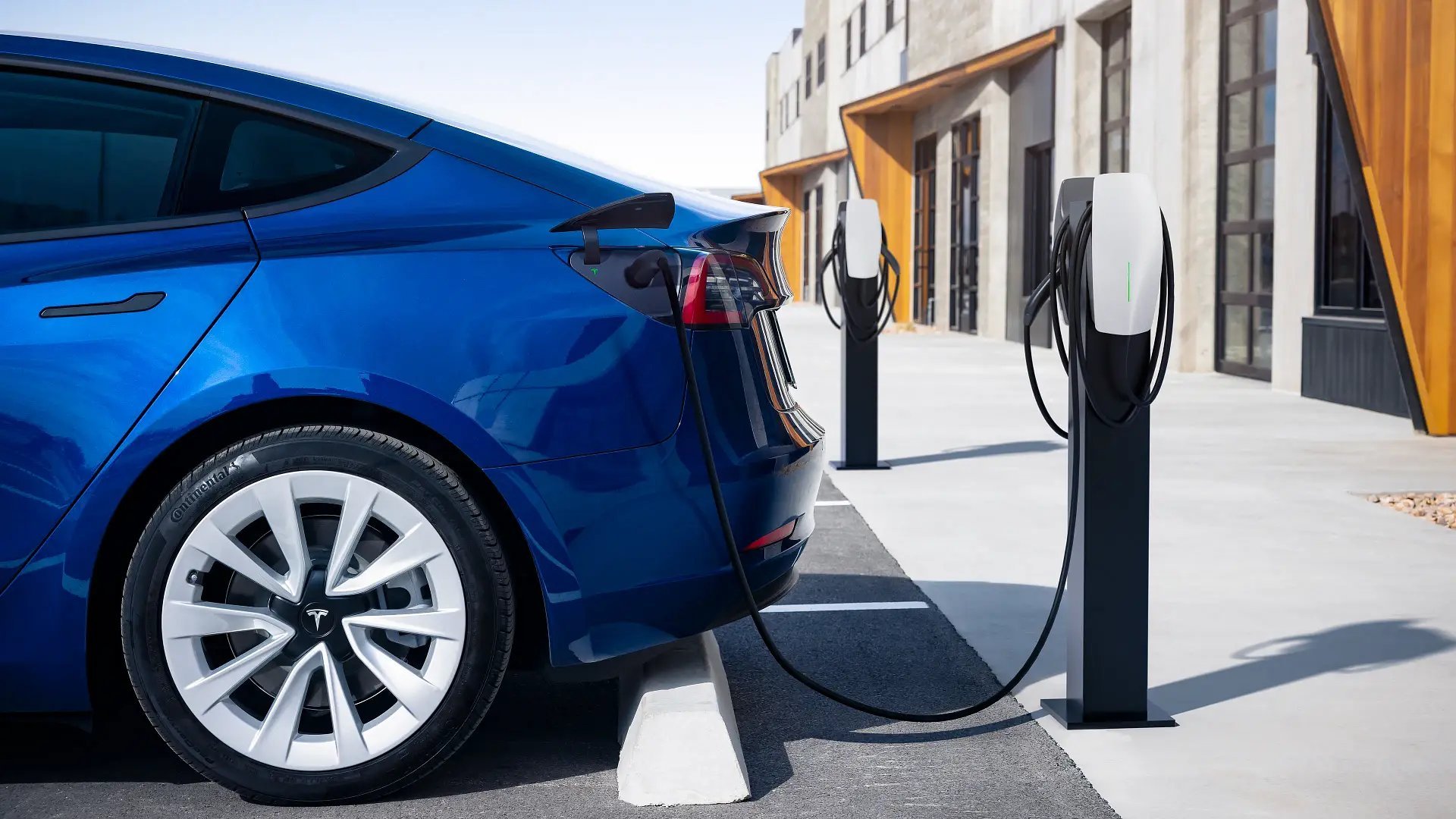
Rohan Martin, chief executive of the National Automotive Leasing and Salary Packaging Association, believes that the crisis has “undoubtedly sparked unprecedented new interest in both new and used EVs.” He adds, “For many Australians, the fuel crisis, at least for the short term, has turned curiosity into commitment.”
So, what’s driving this surge in demand for electric vehicles? The answer lies in the economics of owning a car.




With petrol prices skyrocketing, Aussies are looking for ways to save money on fuel costs. Electric vehicles offer a compelling alternative, with lower running costs and reduced maintenance expenses.
But the shift towards electric vehicles is not just about economics; it’s also about the environment. As concern about climate change grows, Aussies are increasingly looking for ways to reduce their carbon footprint.
Electric vehicles offer a cleaner, greener alternative to traditional petrol-powered cars.
The car industry is responding to this surge in demand by introducing a wave of new electric vehicles to the market.
Brands like GAC, Zeekr, and Jaecoo are recording thousands of orders, while Hyundai has seen a 355% increase in electric vehicle orders between February and March.
BYD has announced plans to bring 30,000 hybrid and electric vehicles into Australia before July, capitalizing on the spike in green vehicle interest.
The Australian Automotive Dealer Association reports a 138% increase in used EV sales in just one month, as Aussies look for affordable alternatives to new electric vehicles.
Analysis: What This Means for Australia
The shift towards electric vehicles has significant implications for Australia’s national security and economy. As the country transitions away from fossil fuels, there will be a need for new infrastructure to support the growth of electric vehicles.
This will require significant investment in charging stations, battery technology, and grid upgrades.
The economic benefits of electric vehicles are also substantial.
A report by the Australian Bureau of Statistics Australian Bureau of Statistics found that the electric vehicle industry could create thousands of new jobs and stimulate economic growth.
However, there are also challenges ahead. The growth of electric vehicles will require significant investment in new technologies and infrastructure.
The government will need to play a key role in supporting the transition, through incentives and investments in the industry.
Security analysts say that the growth of electric vehicles also raises concerns about cybersecurity. As more cars become connected to the internet, there is a growing risk of hacking and data breaches.
This will require new regulations and safeguards to protect consumers.
Ultimately, the shift towards electric vehicles is a positive trend for Australia. It reflects a growing awareness of the need to reduce our carbon footprint and transition away from fossil fuels.
As the industry continues to evolve, it’s clear that electric vehicles will play a major role in shaping the future of transportation in this country.