
Exclusive: Ben Roberts-Smith’s Desperate Bid to Flee Australia Revealed – Top Cop’s Shocking Plan to Evade Justice
- Veteran Ben Roberts-Smith was planning to escape to one of three countries, including Spain, the US and Singapore, before his dramatic arrest
- Court documents reveal he had tickets to leave for Singapore with his partner just two weeks ago and had researched business opportunities in Thailand
- Police allege the former soldier was trying to hide his true destination and even enlisted the help of the FBI to track his movements in the US
- Roberts-Smith denies the claims, saying he had revealed all his travel plans to police throughout the investigation
The bombshell revelation has sent shockwaves through the Australian community, with many questioning how one of the country’s most decorated war heroes could allegedly attempt to evade justice.
Ben Roberts-Smith, the Victoria Cross recipient, had been making plans to flee the country in the days leading up to his arrest, according to newly released court documents.
The documents, obtained by 7NEWS, reveal that Roberts-Smith had explored relocating to three separate countries – Spain, the United States, and Singapore – in recent times. He had even booked tickets to leave for Singapore with his partner, Sarah Matulin, just two weeks ago.
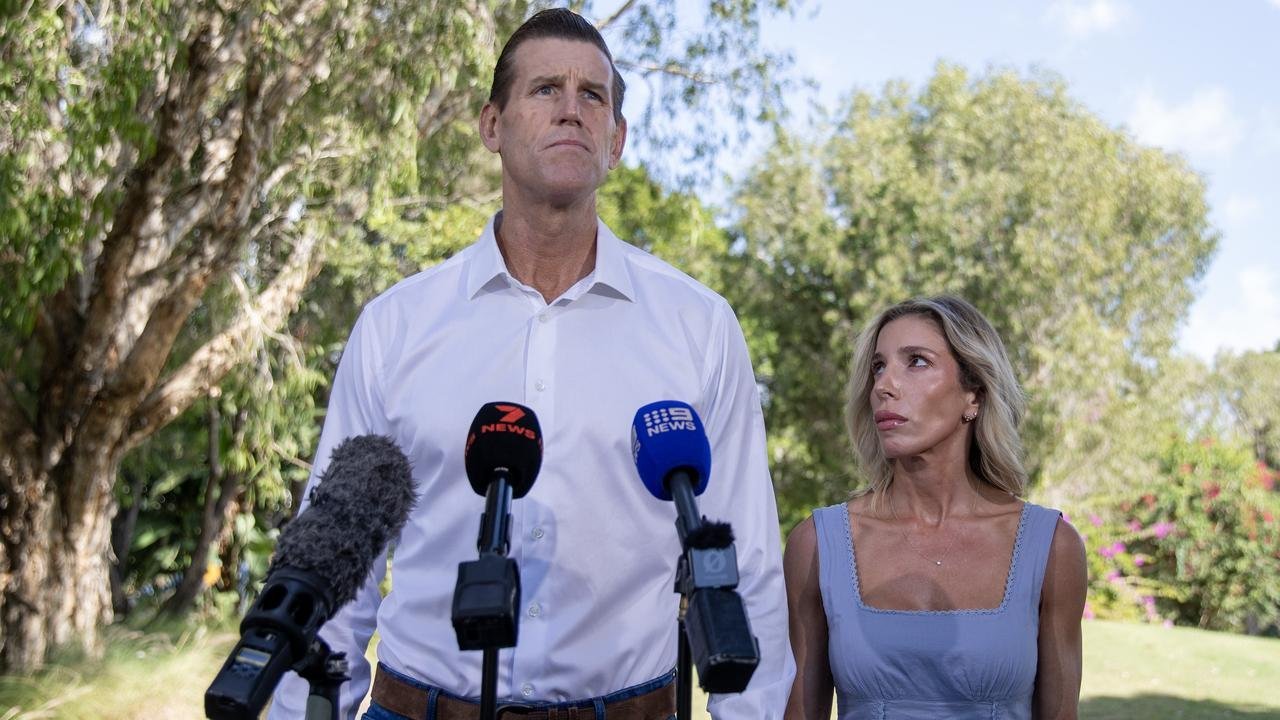
The move was allegedly part of a larger plan to launch a health and wellness company in Spain, where he had researched business opportunities.
But Australian Federal Police were hot on his heels, alleging that the former soldier was trying to hide his true destination. The police had even enlisted the help of the FBI to track Roberts-Smith’s movements in the US.


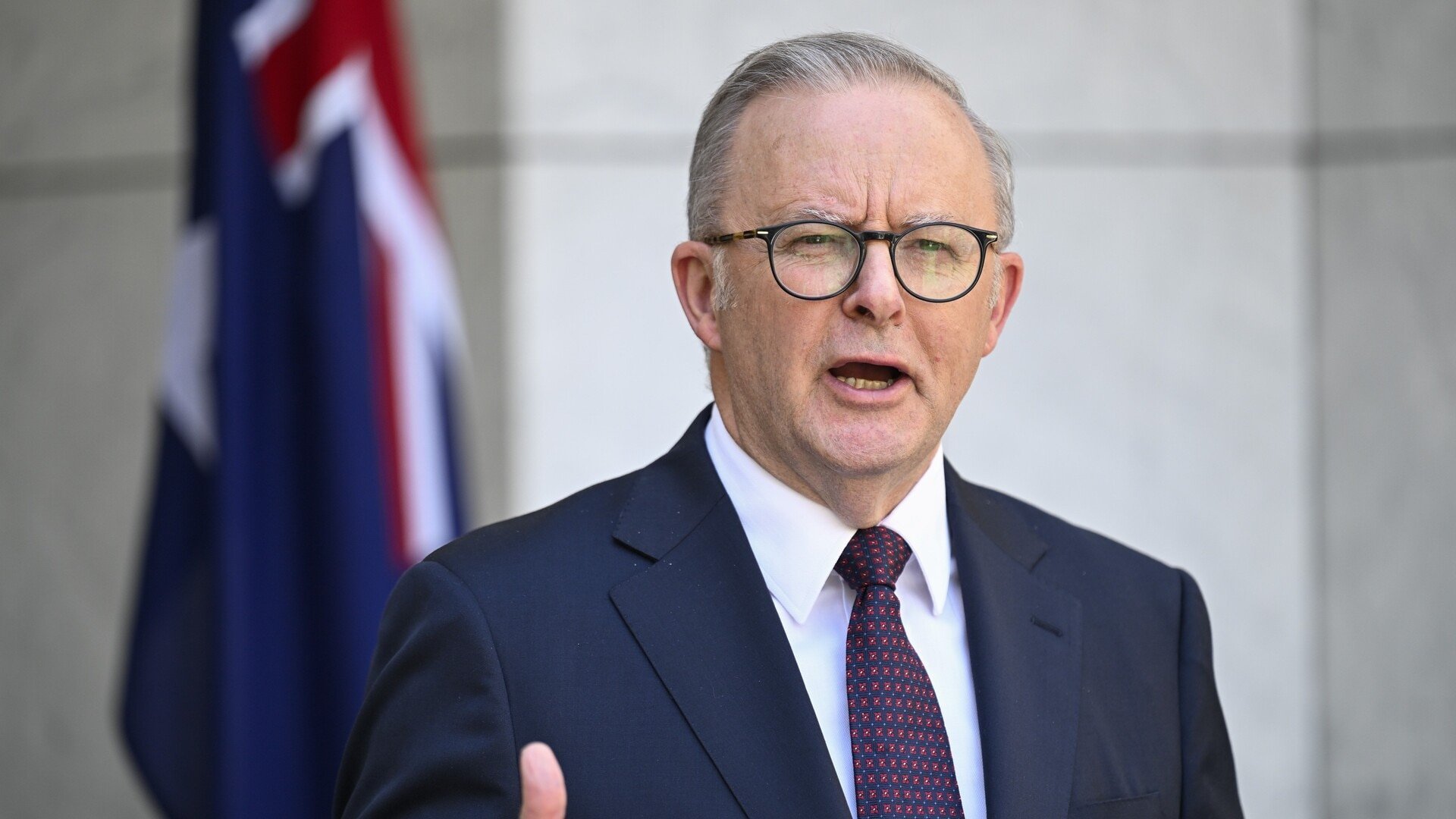

The documents claim that Roberts-Smith had been in contact with a man named Gordon Chuck, who is believed to be the father of a commando killed in a helicopter crash in Afghanistan in 2010.
Roberts-Smith has vehemently denied the allegations, saying he had revealed all his travel plans and movements to police throughout the investigation. However, the court documents paint a different picture, suggesting that the former soldier was desperate to escape the country and avoid justice.
So, what does this mean for Australia? The revelation raises serious questions about the country’s ability to keep track of its most high-profile citizens.
Analysis: What This Means for Australia
Security analysts say that the case highlights the need for greater cooperation between law enforcement agencies and intelligence services.
“This case shows that even the most high-profile individuals can attempt to evade justice if they have the means and the motive,” said one expert.
“It’s a wake-up call for our authorities to ensure that they have the necessary resources and expertise to track and monitor individuals who pose a risk to national security.”
Law enforcement insiders warn that the case also highlights the growing trend of individuals using international travel to evade justice. “We’re seeing more and more cases of people using international travel to hide their tracks and avoid prosecution,” said one source.
“It’s a challenge for our authorities to keep up with these individuals and ensure that they face justice.”
Industry observers believe that the case will have significant implications for Australia’s national security and law enforcement agencies. “This case will be closely watched by the public and the media,” said one expert.
“It will be a test of our authorities’ ability to bring individuals to justice, regardless of their status or influence.”
As the investigation into Roberts-Smith continues, one thing is clear – the public will be watching closely to see how this case unfolds. Will justice be served, or will one of Australia’s most decorated war heroes manage to evade accountability?
Only time will tell.