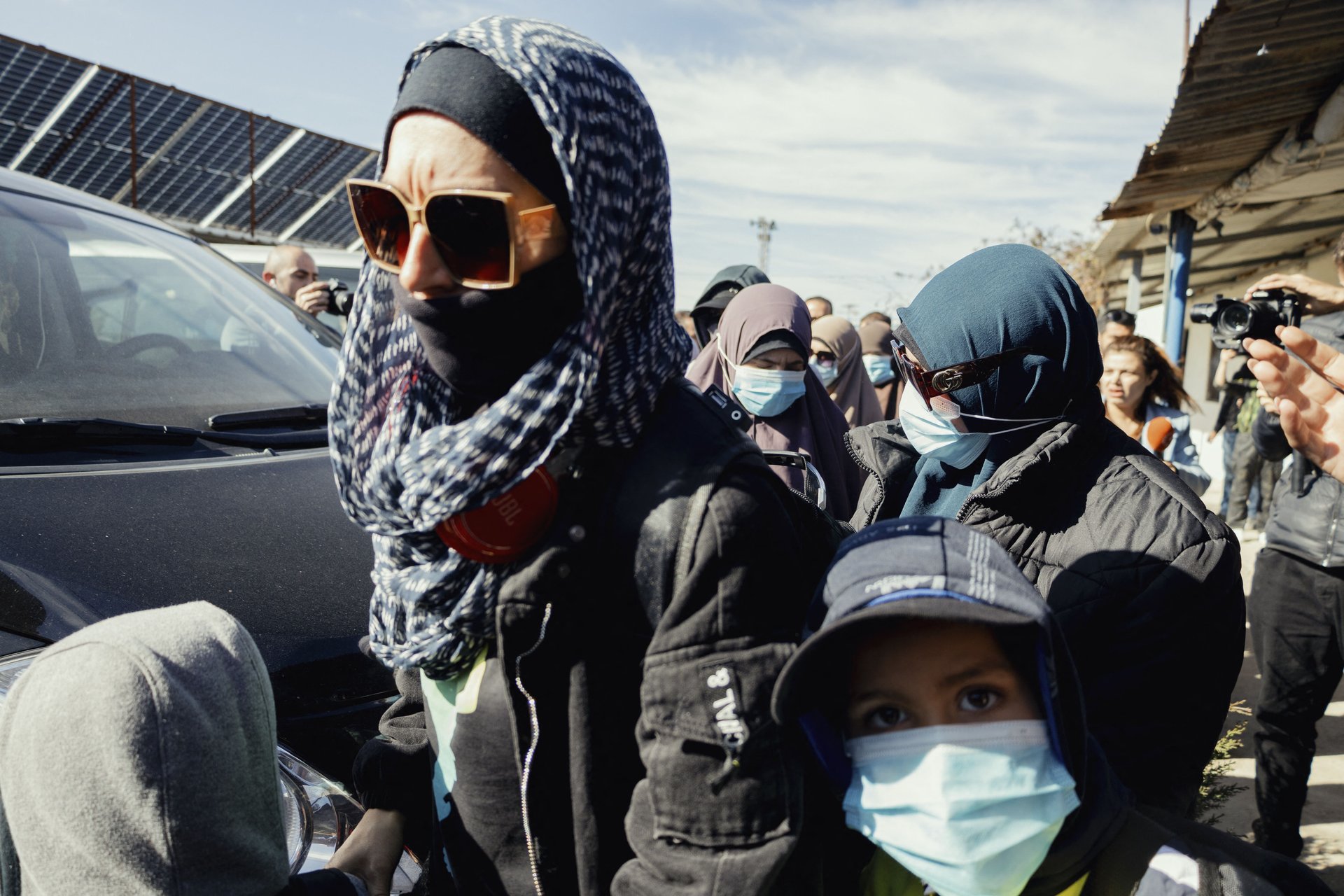
‘ISIS Brides’ and Children Fleeing Syria’s Al-Roj Refugee Camp: What This Means for Australia’s National Security
- A group of Australian families with ties to former ISIS fighters have escaped the notorious Al-Roj refugee camp in Syria, sparking concerns about their potential return to Australia.
- The families, including four women and nine children, are currently en route to Damascus and are expected to attempt to travel back to Australia.
- Their previous attempt to leave the camp in February was thwarted, but this time they have the support of Syrian government forces.
- The Australian government has warned that anyone who has committed a crime will face the full force of the law upon their return.
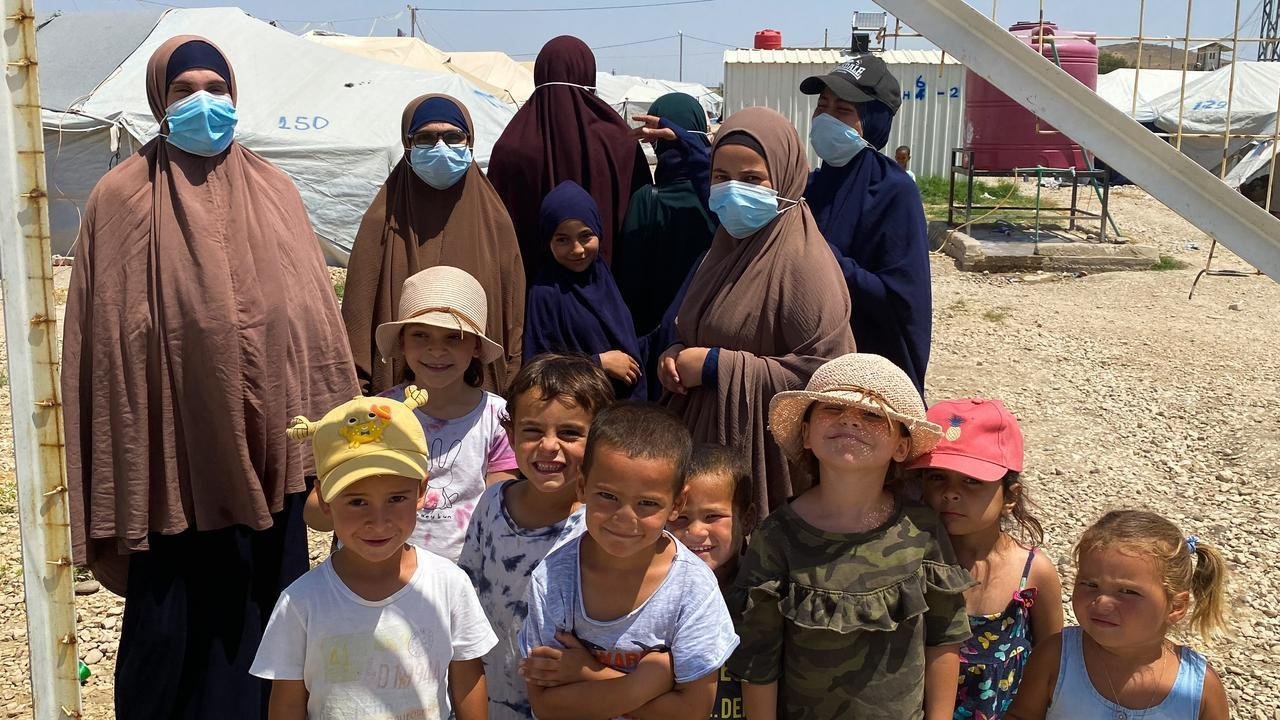
The Australian families, who have been stranded in the Al-Roj refugee camp for years, have finally made a break for freedom.
The group, which includes four women and nine children, was picked up by Syrian interior forces and taken to Damascus, where they will attempt to begin their journey back to Australia.
Their escape comes months after their previous attempt failed due to an administrative issue, which was described as a tip-off to the media. The families’ supporters, including prominent Sydney doctor Jamal Rifi, claim that the media attention thwarted their chances of quietly leaving the camp.
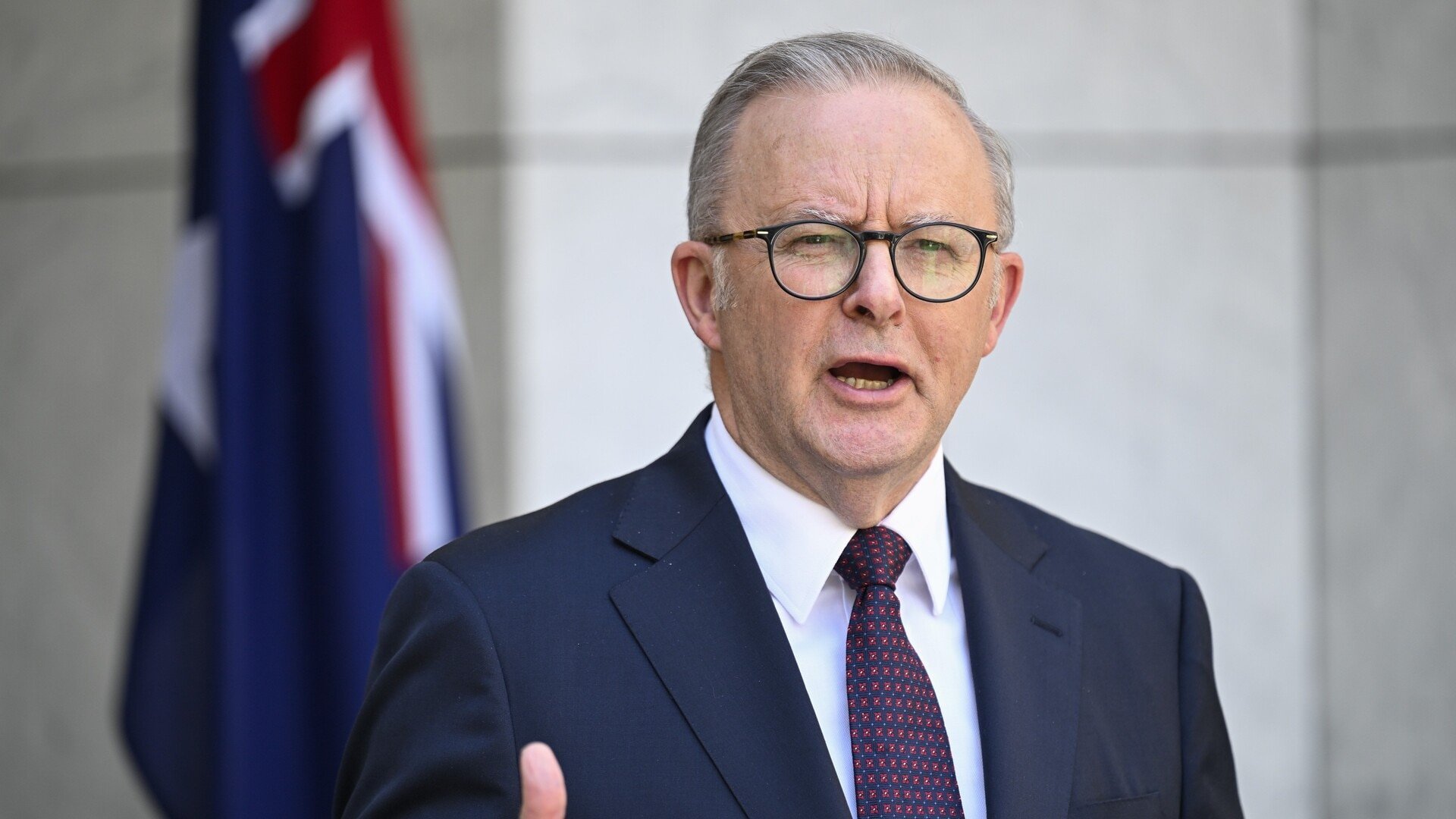
The case has sparked a heated debate in Australia, with Prime Minister Anthony Albanese stating that he has no sympathy for their plight. However, Home Affairs Minister Tony Burke has said that Australia is under a legal obligation to provide the group with passports, given they are citizens.
The families’ decision to leave the camp is likely due to the changing power dynamics in north-eastern Syria.



Government forces loyal to rebel leader-turned-President Ahmed al-Sharaa are sweeping through territory that Kurdish forces, known as the SDF, had controlled for years.
This shift in power has created an opportunity for the families to escape the camp and attempt to return to Australia.
However, their return to Australia raises serious concerns about national security.
The families have ties to former ISIS fighters, and some of the women have been accused of accompanying their husbands to Syria at the height of ISIS’s deadly rampage.
Others claim they were lured to Syria under false pretences and have since been living in refugee camps such as Al-Roj.
Analysis: What This Means for Australia
The potential return of the Australian families with ties to ISIS raises serious concerns about national security.
The government has warned that anyone who has committed a crime will face the full force of the law upon their return, but experts warn that the group, particularly the children, face a grave risk of further radicalisation if left to languish in the camps.
Security analysts say that the return of the families could pose a significant threat to Australian national security. “The fact that these individuals have been living in a refugee camp with ties to ISIS is a major concern,” said one analyst.
“The risk of radicalisation is high, and it’s possible that they could bring that ideology back to Australia.”
Law enforcement insiders warn that the government needs to take a more proactive approach to dealing with the return of Australians with ties to ISIS. “The government needs to have a clear plan in place for dealing with these individuals,” said one insider.
“This includes providing support for their rehabilitation and reintegration into society, as well as ensuring that they are held accountable for any crimes they may have committed.”
The Opposition has slammed the government for allowing the women and children with ISIS ties to return to Australia at their own will. Shadow Minister for Home Affairs and Immigration, Jonno Duniam, said that the repatriation of Australians needed to be a more controlled operation.
“If they are to ever return, it should be the commonwealth that decides the nature of their return — as was the case under the Morrison government,” he said.
The case highlights the need for a more comprehensive approach to dealing with Australians who have been involved with ISIS.
This includes providing support for their rehabilitation and reintegration into society, as well as ensuring that they are held accountable for any crimes they may have committed.
Ultimately, the return of the Australian families with ties to ISIS poses a significant challenge for the government, and one that requires a careful and considered response.