One Nation’s Shocking Rise to Power: How a Single By-Election Could Change the Course of Australian Politics Forever
- Australia is on the cusp of a seismic shift in politics as One Nation’s David Farley gains momentum in the Farrer by-election, with the party poised to win its first lower house seat in 30 years.
- The decision by the Liberals and Nationals to preference One Nation ahead of independent candidate Michelle Milthorpe has given Farley a significant boost, leaving Labor and the Coalition reeling.
- A One Nation victory could have far-reaching consequences for Australian politics, potentially luring disillusioned centre-right voters away from the Liberals and threatening the Albanese government’s majority.
- Former Queensland premier Peter Beattie warns that a One Nation win would be a “watershed moment” in Australian politics, giving the party momentum and credibility that could have devastating consequences for the Liberal Party’s moderate vote.
The stage is set for a blockbuster contest in the Farrer by-election, with One Nation’s David Farley and independent candidate Michelle Milthorpe running neck-and-neck in the polls.
But the real story is not just about the local issues that matter to voters in this NSW seat – it’s about the national implications of a potential One Nation victory.
For 30 years, One Nation has been locked out of the House of Representatives, despite Pauline Hanson’s occasional bursts of popularity. But a combination of factors has changed the game.
The Liberals and Nationals have decided to exchange preferences, effectively giving One Nation a clear run at the seat. And with Labor not running, the party is well-placed to capitalise on the discontent of voters who feel disillusioned with the major parties.
According to internal party polling, Farley is in a strong position to win the seat, with the Liberals and Nationals directing their preferences to One Nation ahead of Milthorpe.


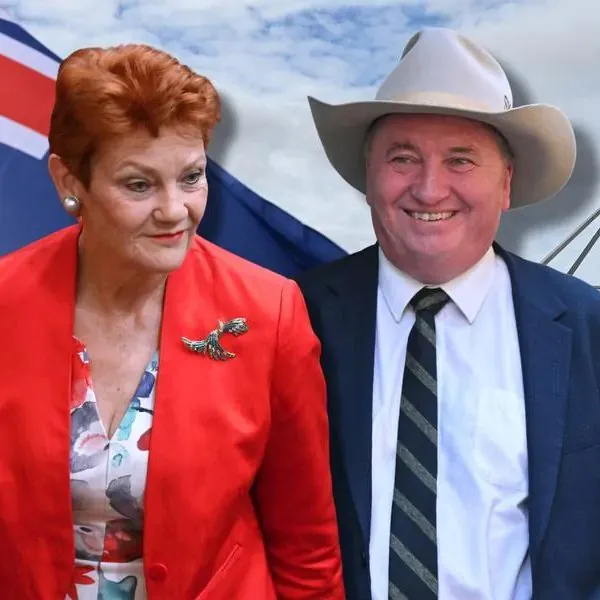
This move has been described as a “whole new ball game” by former Queensland premier Peter Beattie, who warns that a One Nation victory would have significant consequences for Australian politics.
Beattie recalls the 1998 state election, when he refused to accept One Nation preferences as Labor leader. The result was that Labor lost six seats to One Nation, while the Nationals lost five.
But Labor also picked up Liberal seats and formed a minority government. Despite the initial hype, One Nation quickly disintegrated, and the party has been largely irrelevant until its unexpected renaissance after last year’s federal election.
Now, Beattie worries that a One Nation victory in Farrer would lure centre-right voters away from the Liberals, threatening the Albanese government’s majority. “This could be the first time there’s a threat to the Albanese government,” he says.
With Labor’s primary vote at an historically low 35%, One Nation is no longer far behind, and voters who are disenchanted with the major parties may see One Nation as a vehicle for their dissatisfaction.
Analysis: What This Means for Australia
A One Nation victory in Farrer would be a watershed moment in Australian politics, giving the party momentum and credibility that could have devastating consequences for the Liberal Party’s moderate vote.
The decision by the Liberals and Nationals to preference One Nation ahead of Milthorpe has given Farley a significant boost, and the party is well-placed to capitalise on the discontent of voters who feel disillusioned with the major parties.
Security analysts warn that a One Nation victory could also have implications for national security, as the party’s populist rhetoric and policies could further polarise the electorate and create divisions that could be exploited by extremist groups.
Law enforcement insiders also note that One Nation’s lack of discipline and vetting processes for candidates could lead to further controversies and missteps.
Industry observers believe that a One Nation victory could also have economic consequences, as the party’s protectionist policies and anti-immigration rhetoric could harm Australia’s international trade relationships and damage the economy.
The party’s victory could also have social consequences, as its policies on Indigenous Australians and multiculturalism could exacerbate existing tensions and create further divisions.
As the final two weeks of the campaign unfold, the question on everyone’s lips is: will One Nation’s momentum be enough to carry Farley over the line?
Or will the recent dip in the party’s polling be a sign of things to come?
One thing is certain – the consequences of a One Nation victory in Farrer will be felt far beyond the borders of this NSW seat, and will have a profound impact on the course of Australian politics for years to come.
Australian politics One Nation Australian Bureau of Statistics