ANZAC Day Shame: ‘Patriotic Legends’ or Troublemakers? Police Detain Group Linked to Far-Right Movement Amid Booing Scandals
- Footage emerges of police blocking five people from attending Perth’s Anzac Day Dawn Service due to links to far-right group March for Australia
- Group had encouraged followers to boo welcome to country ceremonies, sparking outrage and condemnation from RSL leaders and Indigenous writer Maria Langton
- Police detain group, citing concerns they would “interrupt” the service, as tensions run high over Anzac Day controversies
- Incidents in Sydney, Melbourne, and Perth marred by booing, with calls for authorities to ban offenders from future services
As Australia paid its respects to the nation’s fallen on Anzac Day, a group of individuals linked to the far-right movement March for Australia found themselves at the centre of controversy.
Footage has emerged of police detaining five people attempting to attend the Dawn Service in Perth, citing concerns they would “interrupt” the ceremony.
The group, which had been promoting an online campaign encouraging followers to boo welcome to country ceremonies, was blocked from attending the service by police.
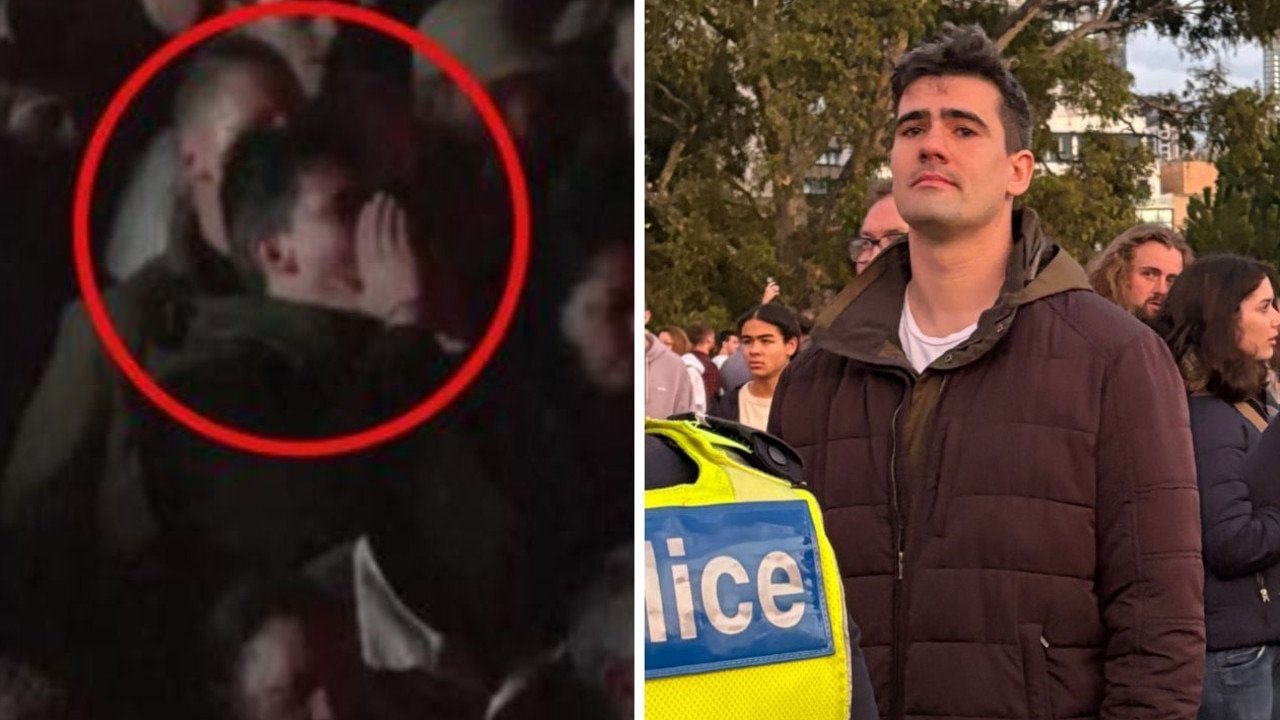
The incident has sparked outrage and condemnation from RSL leaders and Indigenous writer Maria Langton, who labelled the offenders “nasty louts” and called for them to be banned from future services.
According to police, the group was detained due to their association with March for Australia, which had been linked to similar incidents in the eastern states.


The group’s actions were seen as a threat to the dignity of the Anzac Day service, with authorities taking a zero-tolerance approach to any disruptions.
However, the group’s leader, Bec Freedom, has denied any wrongdoing, claiming the individuals detained were “patriotic legends” who were simply trying to pay their respects to the Anzacs.
Freedom, whose real name is Bec Walker, has been a prominent figure in the March for Australia movement, although the group has since distanced itself from her.
The controversy surrounding the Anzac Day services has sparked a heated debate about free speech, patriotism, and respect for the nation’s fallen. While some have defended the right to protest and express dissent, others have condemned the actions of the group as disrespectful and divisive.
As the debate rages on, one thing is clear: the actions of the group have caused harm and offence to many, and have undermined the spirit of unity and respect that Anzac Day is meant to represent.
Analysis: What This Means for Australia
The Anzac Day controversies have raised serious concerns about the rise of far-right extremism in Australia and the potential for violence and disruption at public events.
The incident highlights the need for authorities to take a firm stance against hate speech and divisive rhetoric, while also protecting the rights of individuals to express their views peacefully.
Security analysts say the incident demonstrates the importance of effective intelligence gathering and community engagement in preventing extremist activities.
“The fact that police were able to identify and detain the group before they could cause any harm is a testament to the good work of our law enforcement agencies,” said one expert.
However, others have warned that the incident could be a sign of a deeper problem. “The rise of far-right extremism is a symptom of a broader societal issue,” said a leading academic.
“We need to address the underlying causes of this phenomenon, such as economic inequality and social disillusionment, if we are to prevent further incidents like this.”
In the meantime, the RSL has called for calm and respect, urging Australians to come together to honour the nation’s fallen. “Anzac Day is a time for reflection and remembrance, not for division and conflict,” said RSL NSW acting president Vincent William.