Dingo Danger Unleashed: ‘Main Offender’ Put Down in WA’s Karijini National Park After Horror Attacks Leave Children Bitten and Terrified
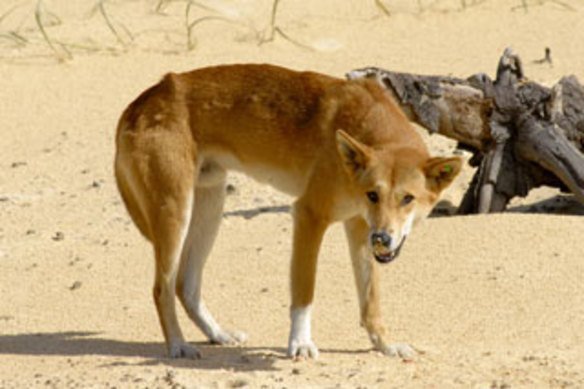
- A male dingo, identified as the “main offender”, has been humanely destroyed after a spate of vicious attacks on children and adults at Karijini National Park in Western Australia.
- Experts warn that the dingo’s aggressive behavior could have been prevented with better management and prevention strategies, and are calling for urgent action to avoid further culls.
- Three people, including two young children, were hospitalized after being bitten by the rogue dingo, which was part of a “brazen” pack roaming the popular tourist destination.
- Parents are being warned to stay vigilant and keep their children close at all times, as experts reveal that dingoes are more likely to target smaller prey.
The picturesque Karijini National Park in Western Australia’s north-west has been the scene of a series of terrifying dingo attacks, leaving several people injured and a community on high alert.
Just days after the incidents, park officials have taken drastic action, humanely destroying a male dingo identified as the “main offender”. The move has sparked a heated debate about the best way to manage the park’s dingo population and prevent further attacks.
According to eyewitnesses, the dingo was part of a “brazen” pack that had been roaming the park, targeting unsuspecting tourists and locals alike.
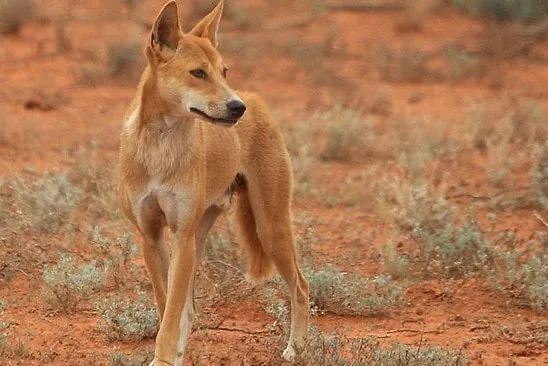
A six-year-old boy, a four-year-old girl, and a mother were among those hospitalized after suffering bites, while a six-year-old girl had her dress nipped by the marauding animal.
Campers shared harrowing tales of encounters with the dingo, describing it as “aggressive” and “unafraid” of humans.




The Department of Biodiversity, Conservation, and Attractions (DBCA) has defended the decision to destroy the dingo, citing concerns that its aggressive behavior could have spread to other animals in the park.
However, experts are calling for more proactive measures to prevent such incidents, including “adaptive management” strategies that could pre-empt the use of lethal force. Dr.
Brad Purcell, a dingo researcher, believes that preparing campgrounds to resemble another dingo’s territory could help ward off the predators, while Perth mum Drue Ballantyne, who encountered the dingo with her children, stresses the importance of educating tourists about dingo behavior.
As the debate rages on, experts are warning parents to stay vigilant and keep their children close at all times.
According to Bill Bateman, a wildlife ecologist and associate professor at Curtin University, children are more likely to trigger an attack response from dingoes due to their smaller size.
“The advice there is always make sure that your children are safe and near to you at all times,” he advises.
“If you are out walking in a family group and you see a dingo or you see dingoes coming towards you, then form together into a group.”
While the DBCA has implemented measures to prevent further attacks, including deploying extra staff and a specialist tracker to hunt down the remaining two problem animals, concerns remain about the long-term management of the park’s dingo population.
As the park prepares for an influx of tourists during the cooler months, experts are urging authorities to take a more proactive approach to preventing dingo attacks.
Analysis: What This Means for Australia
The recent spate of dingo attacks at Karijini National Park has significant implications for Australia’s national security and public safety.
As a popular tourist destination, the park attracts visitors from around the world, and the risk of dingo attacks poses a serious threat to the country’s reputation as a safe and welcoming destination.
Furthermore, the incident highlights the need for more effective management strategies to prevent such attacks, not just in Karijini National Park, but in other areas where humans and wildlife intersect.
Law enforcement insiders warn that the failure to address the issue could have devastating consequences, not just for tourists, but for local communities and the economy as a whole.
“The last thing we need is a major incident involving a dingo attack,” says one source. “It’s not just about the human cost; it’s about the economic impact on local businesses and the reputation of our tourism industry.”
Industry observers believe that the incident highlights the need for a more proactive approach to managing Australia’s wildlife, particularly in areas where humans and animals interact.
“We need to take a more holistic approach to managing our wildlife,” says one expert. “It’s not just about culling problem animals; it’s about creating a safe and sustainable environment for both humans and animals to coexist.”
In the meantime, tourists are advised to exercise extreme caution when visiting Karijini National Park, particularly during peak season. As the park’s popularity continues to grow, it’s essential that visitors are aware of the risks and take necessary precautions to stay safe.